Commercial Roofing for Manufacturers in Elizabeth, NJ
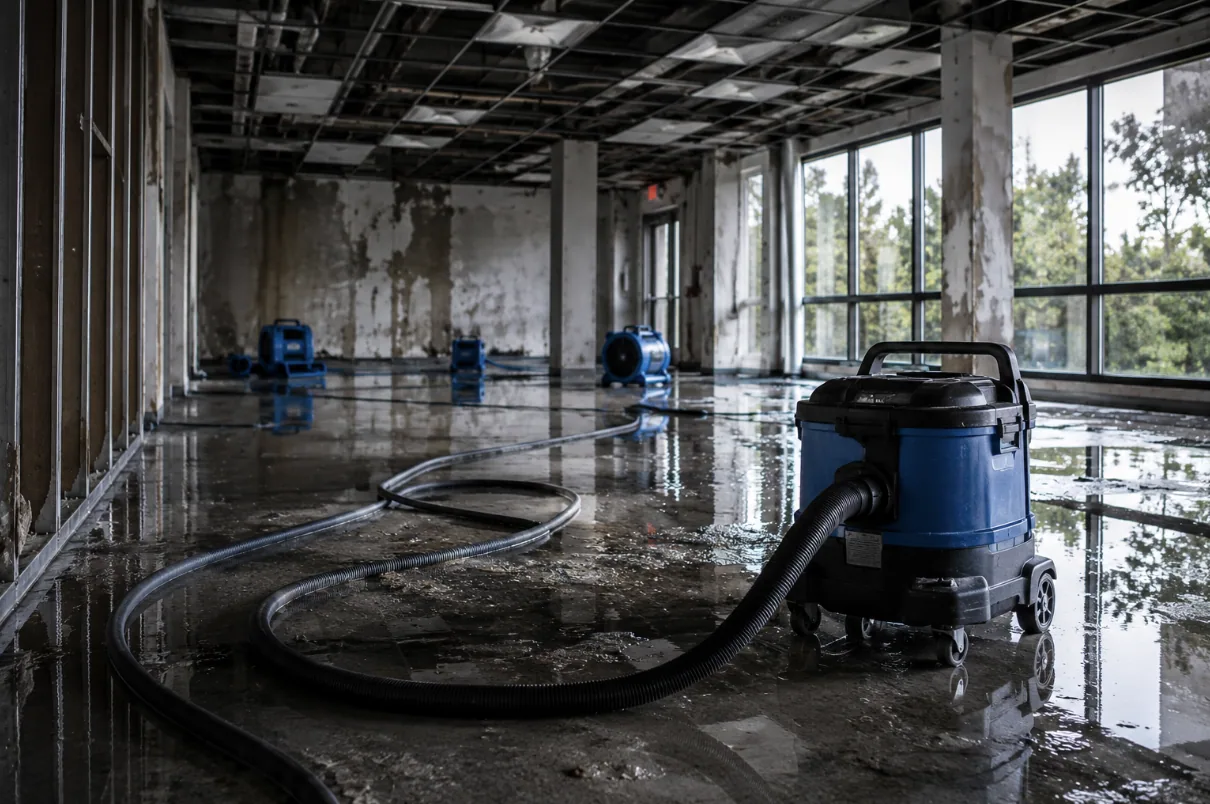
Production does not stop because a roof seam has opened, and repair work cannot interfere with a process line without a clear plan. Elizabeth’s business sectors include small manufacturing alongside logistics, retail, healthcare, and local services. The North Avenue corridor serves port truck traffic with warehouses and other commercial uses. At a plant, roof access and production windows shape the work sequence. We inspect the assembly and confirm those limits with the plant contact.
Share equipment layouts, roof plans, leak reports, and any work-hour restrictions. We identify the reported condition, inspect nearby details, and state which parts of the scope could affect production or another trade. The proposal should show the repair boundary, daily closure plan, and what would need owner approval if concealed conditions differ from the drawings.
Trace the Opening Around Process Equipment
A leak above a production floor may enter at a curb, pipe support, roof-to-wall transition, lap, or fastener and travel before appearing indoors. We compare the reported location with details on the roof, then photograph the likely path and the material around it. If a selective opening is needed to verify wet insulation or deck condition, the report identifies the zone and the reason before removal is approved.
Exhaust, make-up air, electrical runs, and process piping can place several penetrations close together. We inspect flashing and substrate at each affected detail, record equipment clearances, and coordinate work that requires shutdown or trade access. A later equipment move can disturb a finished tie-in, so the project sequence should make responsibility and timing clear.
A commercial roof inspection can map the assembly and visible conditions before a repair is priced. When water is active, leak repair traces the entry path. For buildings with several roof zones, an organized condition report gives facilities staff photographs and work limits to keep with maintenance records.
Protect Production From Water and Open Roof Areas
Wind, hail, and intense rain can expose seams, penetrations, and edge details. We inspect the reported roof zone after an event and record visible changes before selecting a compatible repair. That context supports an inspection after a reported event, but it does not show that any specific facility was damaged. We check edges, seams, penetrations, drainage, and areas where material appears displaced, then record the visible evidence by roof zone.
During winter maintenance, keep drains and scuppers clear and check for damage after snow removal or rooftop service. At a plant roof, we inspect drains and scuppers, clear debris within the roofing scope, and record where discharge continues into site drainage that may need another trade.
During a repair, the open roof area should match the section the crew can restore or secure before leaving. The plant representative identifies process lines, sensitive areas, and routes that must remain available. We set the lift and debris path, keep materials out of operating routes, and provide an update if wet insulation or a damaged deck changes the removal area. The owner approves any change before the boundary expands.
Emergency roof response can stabilize an active opening when the conditions allow. A planned roof repair then defines the permanent tie-in and any remaining work. Both steps should identify the affected section so production staff know what has been secured.
Set the Work Sequence With Plant Staff
The facility contact confirms production windows, escort or access rules, deliveries, lift locations, and spaces that must stay clear. We use those constraints to divide removal into areas that can be closed by the end of each shift. The plan includes weather protection, debris handling, and a contact who can review a changed condition without delaying a safety decision.
Where manufacturing equipment needs service during roof work, coordinate the equipment contractor before closing the curb or support detail. We document the tie-in and keep materials compatible with the existing assembly. If drawings do not match the roof, the crew records the field condition and presents an updated scope for approval instead of covering an unresolved interface.
Midtown Elizabeth and Elizabethport have older infrastructure needs alongside their commercial and industrial uses. Their names do not tell us where a plant entrance, loading space, or equipment zone sits. We plan from the actual site walk and keep street access, rooftop access, and production movement separate in the work map.
A logistics operator's roof plan may prioritize loading windows, while property management coordination can cover tenant notices across mixed-use assets. A phased reroof can help keep occupied production areas below protected as work advances.
Choose a Repair or System-Level Scope
A local repair fits when nearby material can accept a compatible tie-in and the substrate remains serviceable. We inspect adjacent seams, fasteners, insulation, and edges before defining the work. If water has reached the deck or several details are failing together, the owner may need to compare repair with recover or replacement rather than repeat patches across the same zone.
A recover depends on moisture, attachment, drainage, and edge height. Replacement may fit when failures cross several zones or equipment work would reopen too many details. We describe removal depth, access, and excluded conditions without assuming a shutdown.
New Jersey’s building subcode is the 2024 edition of the International Building Code, adopted August 17, 2026; confirm transition rules for the roof permit. The applicable edition and transition rules should be confirmed for the permit and project. The roof proposal identifies code-related scope questions that need owner or design-team confirmation rather than assuming a universal answer.
A compatible low-slope membrane or replacement assembly is considered only after the substrate, attachment, and equipment interfaces are reviewed.
Record the Roof Boundary for Maintenance
Closeout identifies repaired zones, materials, photographs, and conditions left for later review. We record which process or rooftop equipment details were included and any item deferred to another trade. The facility can retain this with roof plans and maintenance records, giving the next review a clear starting point.
If a future leak report appears, the record should help staff distinguish the repaired area from adjacent sections that were only inspected. We list access limits and recommendations by zone rather than imply the whole roof received the same work. This supports maintenance planning without extending a repair beyond the agreed boundary.
Arrange a review when a production change adds equipment, a storm exposes a roof detail, or water reaches an active area. Share the equipment schedule, roof records, and operating limits. Commercial Roofers Elizabeth can inspect accessible conditions and outline a repair, phased replacement, or maintenance scope that fits the plant's work sequence.
The North Avenue corridor and Elizabethport are broader places in the local market. The proposed scope stays attached to the specific facility and roof conditions confirmed there.
Commercial Roofing Questions
How do you keep roof repair from interrupting production?
Plant staff identify operating windows, sensitive areas, equipment routes, and any process that cannot stop. We set the roof zone, delivery path, lift location, and daily closure point with the facility contact. If a concealed condition expands the work, the owner reviews the revised scope before removal continues.
Can rooftop equipment work happen during a reroof?
It can when the equipment trade and owner coordinate the sequence. We identify curbs, supports, penetrations, and clearance needs before closing the roof detail. A later move should be planned so the completed flashing is not disturbed without a defined repair scope.
What if a leak is above a production line?
The facility should protect affected equipment and notify its maintenance contact. We trace the likely entry path, identify accessible roof details, and set any temporary protection before permanent work is priced. If access or production limits restrict inspection, the report names that limit.
When is a local repair no longer a good fit?
Repeated failures across several zones, wet insulation, damaged deck, or incompatible past repairs can make a broader scope more practical. We document the conditions and compare repair, recover, and replacement boundaries for the owner to review.
Arrange a Manufacturing Roof Review
Share roof plans, equipment layouts, operating limits, and the leak or repair history. We will inspect accessible conditions and outline a work sequence for plant staff.