Commercial Roofing for Property Managers in Elizabeth, NJ
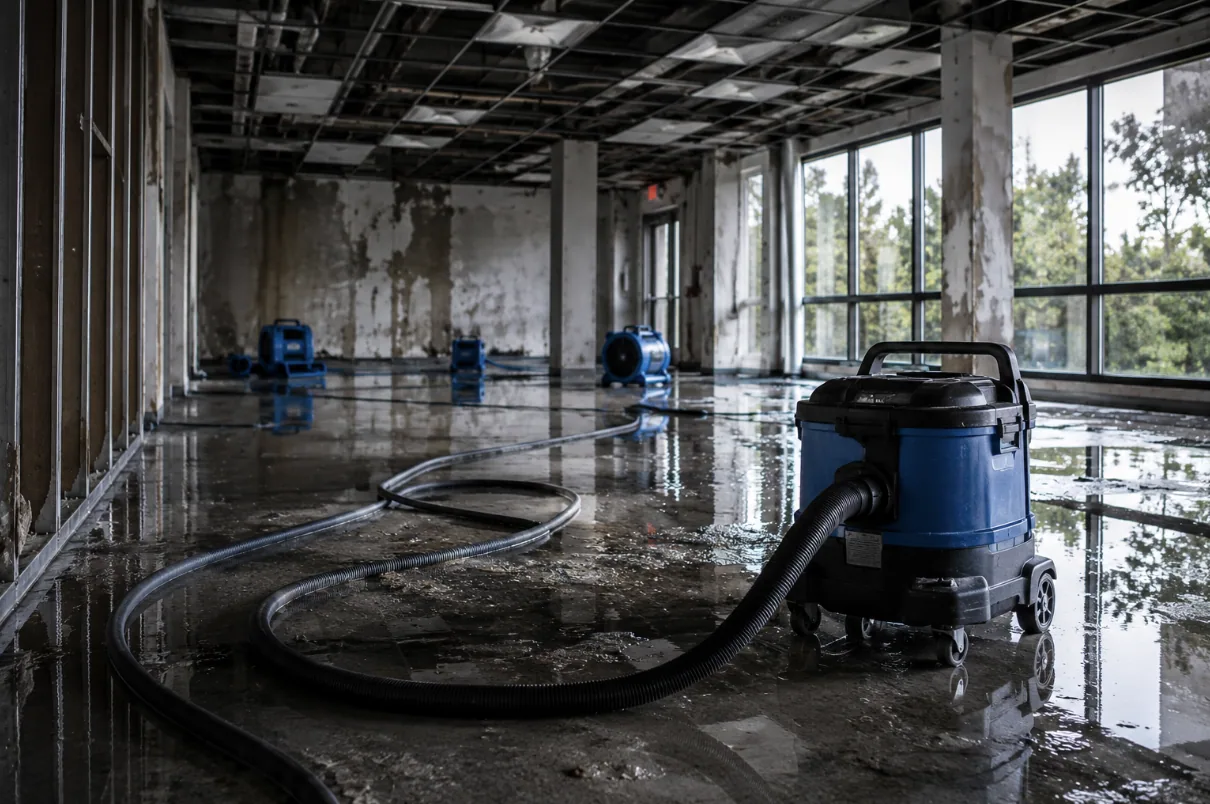
A property manager needs roof information that can travel from the site walk to the work order and the owner’s capital review. In Elizabeth, portfolios can include logistics, retail, small manufacturing, healthcare, and local-service properties. Midtown Elizabeth and Elizabethport have older infrastructure needs, but that does not tell us the condition of any roof in either area. We inspect each building, map observed conditions, and write the repair boundary so the manager can distinguish one property’s issue from another.
Bring the leak log, roof plan, access rules, equipment schedule, and repair records. We compare them with field conditions and separate urgent protection from permanent work. The record helps the owner approve a repair or plan replacement.
Build a Register From Field Conditions
We label each roof zone by a usable location, then record the system, visible seams, terminations, curbs, drains, and transitions. That makes the next inspection easier to scope and helps staff connect an interior report to the roof area that needs review. A stain may be distant from the entry point, so we trace the likely path instead of sending a crew to the room beneath it.
For a portfolio with offices, warehouses, stores, and service buildings, one condition label is not enough. One roof may have open laps, another may show ponding, and a third may only need routine maintenance. Photos should identify the actual section and detail, with any access or visibility limits called out. A commercial roof inspection can give the manager a consistent condition record without pretending that every building has the same assembly.
Port-related truck activity along the North Avenue corridor sits beside retail, hotels, warehouses, and other commercial development. That mix makes delivery planning relevant to some Elizabeth-area scopes. We still confirm each building’s loading area, lift route, and staging surface during the site visit. A corridor fact does not establish an individual property’s access or roof configuration.
When reports indicate active water, leak tracing and repair can focus on the entry path. For recurring moisture or several roof zones, an organized condition report helps compare observed details across buildings. Records stay separated by site, zone, and repair boundary.
Rank Work by Exposure and Consequence
A portfolio list becomes useful when the manager can compare condition, occupancy, operational effect, and next action for each roof. We identify openings that need immediate protection, repairs that can be scheduled, and broader conditions that call for a capital decision. This is a field-based order of work, not an unsupported prediction about which building will fail next.
For a manager maintaining a building register, drainage needs a repeatable field record: which outlet was checked, whether water had a clear path, and whether the observed condition sits on the roof or beyond its discharge point. Low-lying areas near the Elizabeth River face flood and storm-surge concerns; each property still needs its own drain and site-flow review before work is assigned.
A post-storm roof walk around Elizabeth should check edge metal, laps, penetrations, and drains after damaging winds, hail, tornadoes, or flash flooding. After a severe event, a manager can request a documented check of edges, seams, penetrations, and drainage. The report distinguishes visible storm effects from older wear and ties photographs to specific roof zones.
For an active opening, emergency roof response can secure the affected area while a permanent scope is prepared. A maintenance program can schedule recurring checks and minor corrections, so records do not depend on a leak call to prompt review.
Coordinate Tenants, Vendors, and Access
Before mobilization, the manager confirms work hours, loading rules, tenant notices, roof access, equipment contacts, and any route that must remain clear. We use that information to plan lift setup, material delivery, debris removal, and the daily closeout point. If a business stays open below, the crew can work in sections restored or secured before leaving.
When HVAC or electrical work will alter a curb or penetration, we place the roofing tie-in after that scope and note who closes the opening. An equipment move made later can disturb finished flashing, so the work order names the trade handoff and the manager keeps that change with the property's roof record.
A portfolio owner’s review may need condition, phase, and budget information in one record. A general contractor coordination plan can clarify trade interfaces and responsibility boundaries. For a property in Elizabethport, the manager confirms loading and tenant routes on site rather than relying on a district label.
Compare Repair, Recovery, and Replacement
For a work order, we list the roof zone, the material at the repair edge, and any limit on opening the assembly. If the field review finds moisture or deck concerns beyond that boundary, we photograph the added condition and return it for owner approval before removal expands.
A manager's register can place a recover or replacement decision beside the exact roof zones, access limits, tenant windows, and deferred work that drive it. We record moisture and attachment conditions before considering another layer; widespread wet material or failing edges may point toward broader renewal. Each asset keeps its own evidence rather than inheriting a portfolio-wide assumption.
A due-diligence roof survey can focus on visible condition and records requested by a buyer. Capital planning can turn condition records into phased options. Each recommendation names the roof zone, access assumptions, and any deferred correction.
Keep the Site Record Ready for the Next Decision
Closeout identifies the work completed, photographs tie-ins and drainage details, and lists conditions outside the approved scope. The closeout lists access limits, deferred repairs, and recommended follow-up by roof zone. The manager can file the record with site plans and maintenance records instead of reconstructing the scope from invoices later.
For multiple properties, common labels make comparison possible, while each report keeps its own roof facts. A recurring issue can be checked against prior repairs without assuming the same cause at a different building. The owner sees what was observed, what was corrected, and what still needs a decision.
Share the property's roof history, current access limits, recurring leak locations, and any work window shaped by a lease or equipment project. We can review the accessible areas and provide a condition-based scope the manager can route to the owner for a repair, maintenance, or capital decision.
For each asset, record who approves access, where occupants need notice, and which roof zones can be entered during the work window. That short handoff helps a manager compare properties while keeping each building's conditions and repair boundary distinct.
Commercial Roofing Questions
What should a property manager provide before a roof review?
Share the roof plan, prior scopes, leak log, access rules, equipment schedule, and hours when deliveries or lift work are restricted. We compare the records with visible conditions, then identify any document gap or roof zone that needs another review.
How can several buildings be compared without treating them as identical?
We use consistent condition labels while keeping each building’s roof type, photographs, repair boundary, occupancy, and access records in its own record. The owner can compare urgency and next steps without assuming a shared symptom has the same cause at every site.
Can a repair be approved before the full portfolio is inspected?
Yes. An active leak can receive a focused review and defined repair scope while the manager schedules broader assessments separately. We mark the inspected area and any limitation so the repair is not mistaken for a condition report covering other roofs.
How do you keep roof work from conflicting with tenant operations?
The manager confirms notices, access paths, delivery windows, and spaces that must remain open. We divide the work into sections with a daily closure point and coordinate changes with the site contact. If a concealed condition alters the sequence, the owner reviews the updated scope.
Which records help with annual roof budgeting?
Condition maps, dated photographs, completed repairs, deferred items, maintenance records, and replacement assumptions give the owner a useful basis for a capital review. Each recommendation names the roof zone and next action, with uncertainty stated where more investigation is needed.
Arrange a Portfolio Roof Review
Share the properties, roof records, leak history, and access limits you want reviewed. We will document the conditions we can inspect and outline practical next steps by building.