
Roof Systems
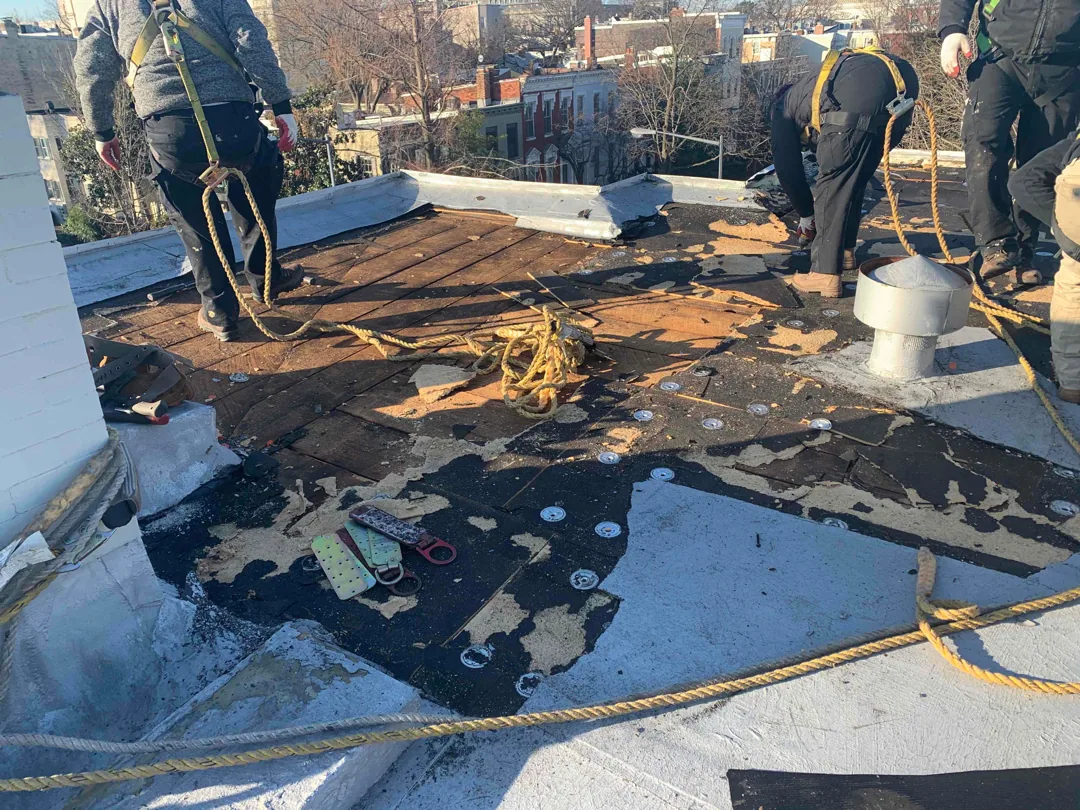
A membrane sample cannot tell whether a roof system fits the deck below it. On an Elizabeth, NJ warehouse or retail roof, the assembly has to meet drains, walls, equipment curbs, and perimeter edges without interrupting the building's work. We inspect the existing layers and identify the surface that will receive the new system. The North Avenue corridor serves port traffic alongside hotels, retail, and warehouses, where staging and access can influence the installation sequence.
Commercial Roofers Elizabeth installs and repairs low-slope membrane, metal, spray foam, and coating systems. Each option has different seams, attachment needs, repair methods, and limits. The right comparison begins with roof condition, drainage, use, and the owner's plan for future service.
Browse Roof Systems
- TPO Roofing Review TPO membrane installation and repair in Elizabeth with attention to seams, attachment, insulation, drainage, and building operations.
- PVC Roofing Review PVC single-ply roofing in Elizabeth based on roof use, seams, chemical exposure, insulation, drainage, and the condition of existing details.
- EPDM Roofing Review EPDM membrane repair or replacement in Elizabeth with attention to seams, attachment, flashing, drainage.
- KEE Roofing Review KEE membrane options in Elizabeth against existing roof layers, seams, chemical exposure, drainage.
- Modified Bitumen Roofing Review modified bitumen roof repair and replacement in Elizabeth with attention to plies, seams, flashings, insulation.
- Built-Up Roofing Review built-up commercial roofing in Elizabeth with attention to plies, surfacing, drainage, flashing transitions.
- Standing Seam Metal Roofing Review standing seam metal roofing in Elizabeth with attention to panel movement, clips, roof transitions, underlayment, drainage, and building use.
- Commercial Metal Roof Retrofit Review exposed-fastener metal roof restoration in Elizabeth with attention to panel condition, fasteners, framing, seams, insulation, and drainage.
- Spray Polyurethane Foam Roofing Review SPF roofing in Elizabeth for substrate preparation, application conditions, drainage, protective coating, and maintenance needs.
- Silicone Roof Coatings Review silicone coating restoration in Elizabeth with attention to substrate condition, ponding, surface preparation.
- Acrylic Roof Coatings Review acrylic roof coating restoration in Elizabeth with attention to membrane condition, drainage, preparation.
Match the Membrane to the Assembly
TPO and PVC use heat-welded seams, while EPDM uses compatible seam tapes or adhesives. KEE, modified bitumen, and built-up systems bring other material and detail requirements. We identify what is already installed before selecting a repair material or transition. A TPO assembly may suit one building's geometry and maintenance plan; a EPDM system calls for a different approach at the lap and flashing.
Attachment also matters. Mechanically fastened, adhered, and ballasted assemblies place different demands on the deck and insulation. We look at substrate condition, roof height, edge details, and the equipment paths the property needs to keep open. The proposal should name the layers and terminations rather than stop at the membrane label.
Read Metal Panels at Their Joints
Standing-seam metal moves with temperature and depends on panel clips, seams, penetrations, and perimeter transitions. A leak near a fastener or curb needs a different repair than a damaged panel field. We follow water paths and inspect the surrounding metal before choosing a correction. Where an older assembly can support a new metal layer, a metal retrofit still needs a secure substrate and carefully planned edge height.
Elizabethport includes changing commercial activity and redevelopment. That is a reason to confirm the building's current use and access needs, not to assume its roof type. For each property, we record panel profile, attachment evidence, corrosion, and details that another trade may have altered.
Test the Base Before Coating or Recovering
Coatings can restore a suitable surface, but they do not correct a wet assembly or damaged deck. We check adhesion, seams, penetrations, and drainage before considering a silicone coating or acrylic system. A recover has its own requirements for moisture, attachment, existing layers, and code. If concealed conditions remain uncertain, the scope identifies where testing or an opening would help.Low ground beside the Elizabeth River faces flood and surge concerns, so the roof review follows water from each outlet to its site connection. For each roof, we inspect its own drain, overflow, and discharge route; regional exposure does not show whether a membrane slopes properly or an outlet is obstructed. Coating or recover work must start with those observed conditions, not an assumption based on the district.
Protect System Details After Installation
Good field work can be undermined by a loose edge, open curb corner, or cut membrane. We coordinate insulation, cover board, securement, flashing, and terminations as one assembly. A replacement project may expose the deck for correction; a coating restoration preserves more of the existing build-up when the base is sound. We explain what each scope reaches and what it leaves in place.
After installation, keep the roof plan and product information with repair notes. HVAC or electrical work can change the surface, so later checks should include penetrations and traffic paths. A review in Elizabethport follows the actual building and its operating needs, just as work in Midtown or near the port follows its own roof conditions.
Commercial Roofing Questions
What information do you need before comparing systems?
The existing assembly, substrate, drainage, rooftop use, and access limits shape the comparison. We inspect those conditions and explain what each option can reach.
What must be known before selecting a membrane?
Confirm deck, insulation, slope, attachment, drainage, and edge conditions first.
When can an existing roof be coated?
Substrate, moisture, adhesion, and details must suit the specified coating.
What should a system comparison cover?
Compare installation limits, repair access, transitions, and operating schedules.