
Occupied Commercial Building Reroofing in Elizabeth, NJ
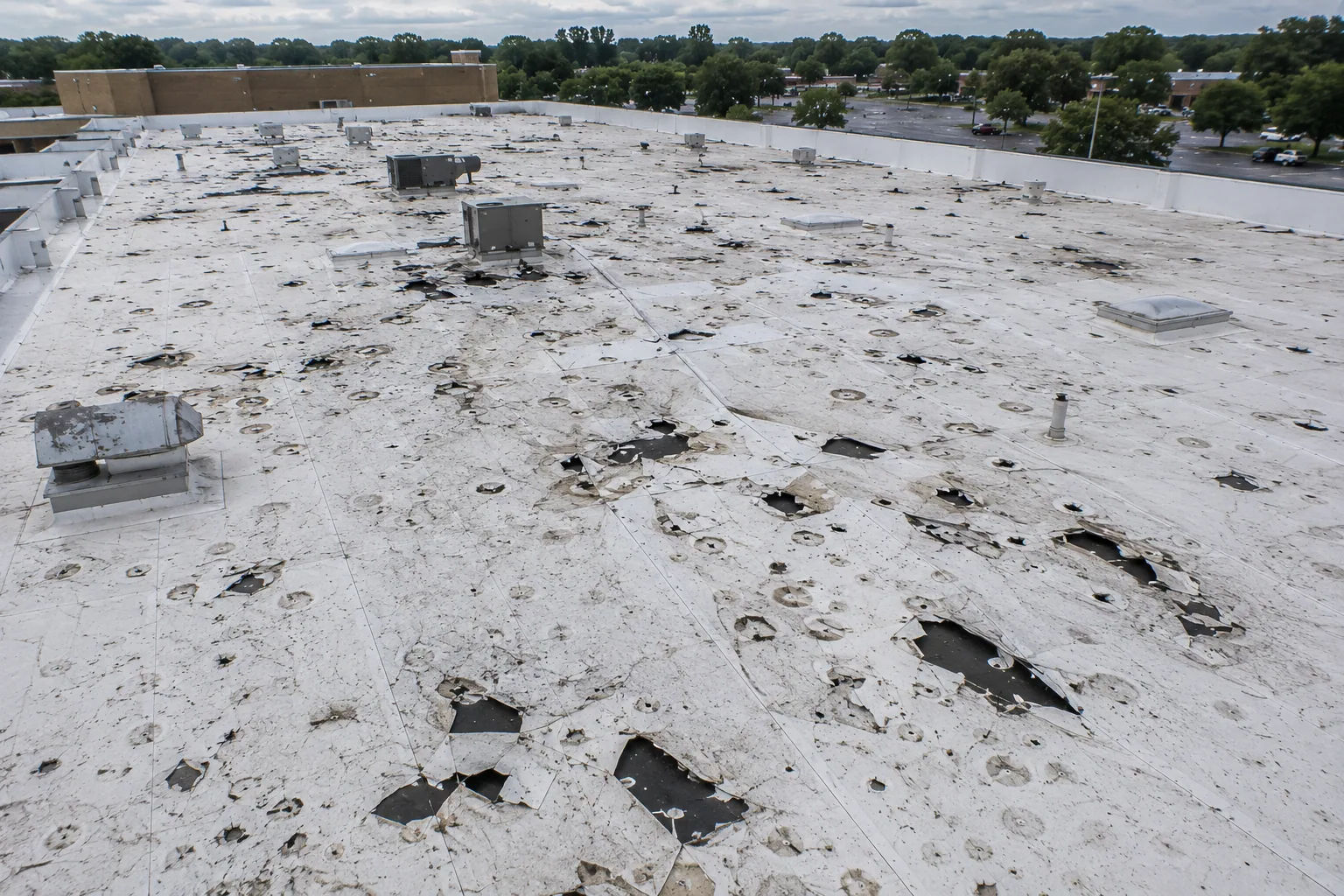
A warehouse reroof has to protect the building while crews remove and replace roof layers. Loading, tenant movement, equipment service, and interior operations continue below. We build the work sequence around safe access, defined roof zones, and daily weather protection. The owner should know which areas are active, which entrances or routes may change, and who receives updates as work moves.
Elizabeth's logistics, retail, healthcare, and service properties have different operating demands. In older commercial corridors such as Elizabethport, a reroof still has to fit the building's actual access and work schedule. Along North Avenue, port truck traffic shares the corridor with warehouses, retail, hotels, and other commercial uses, so delivery timing belongs in the access sequence. We ask how the building functions before setting a start plan. That information helps the crew stage materials and complete sections without treating every property as an empty roof.
Set the Work Sequence With the Property Team
Before mobilization, we review the roof plan, access points, loading routes, tenant hours, and areas that need uninterrupted service. The property contact identifies sensitive rooms, inventory, equipment, and emergency routes. If a crane or lift is needed, the team agrees on placement and pedestrian control. Material delivery should not block a loading lane or fire route, and debris removal needs a defined path out of the site.
We divide the roof into manageable zones. Each area is opened, inspected, dried or repaired as needed, and restored before the crew moves to the next section. At the end of a shift, the active roof is secured against weather. If forecast conditions change, the crew adjusts the area opened and protects transitions rather than pushing ahead into an unsafe window.
Near the North Avenue corridor, active commercial traffic can affect deliveries and roof access. The building team can provide preferred windows and any site-specific safety rules. We confirm who can approve a temporary route change, who will notify tenants, and how the crew communicates if an unexpected condition interrupts the planned sequence.
Protect Occupants and Interior Operations
Noise, vibration, dust, odors, and overhead work should be discussed before crews arrive. We identify occupied areas beneath the roof and plan notices or temporary restrictions with the property contact. Interior protection may include covering equipment or inventory near active work, while the owner decides whether a room needs to be cleared. A reroof can expose concealed conditions, so the project team needs a clear way to reach a decision maker during work hours.
Roof access is controlled. Workers use designated entry points, maintain fall protection, and keep tools and materials within planned zones. Ladders or lifts should not interfere with tenant paths. The crew marks areas below overhead work and manages debris so people do not walk beneath removal or material handling. A property can keep normal service running while one roof area is active if those boundaries remain understood.
If a leak is present before reroofing, temporary protection can limit damage while the main project is organized. A leak repair or emergency roof repair may be a separate early task. The scope records what is temporary and what will be removed during replacement. This avoids confusion about whether an earlier patch is part of the new roof warranty or final assembly.
Remove and Replace in Controlled Areas
Removal exposes the roof deck and insulation, so the crew should open only as much area as can be inspected and closed safely. We check the substrate, fasteners, insulation, and edge conditions as layers come off. Wet or damaged material is documented, and the property contact receives a recommendation before the scope expands. Concealed conditions are handled through an agreed process rather than assumed to be included without limit.
New insulation, cover board, and membrane are installed according to the approved assembly. Drains and scuppers remain accessible while crews work. At parapets, curbs, skylights, and expansion joints, the new membrane must connect to sound details. Our insulation scope and edge metal work are coordinated so transitions are complete before a section closes.
For buildings in Midtown Elizabeth, tenant schedules may change during a long project. We maintain a current look-ahead schedule and notify the property contact when access, noise, or work zones shift. If a building needs a temporary interruption, the change is coordinated with the owner and relevant operations leads. Roofing decisions should not surprise the people who keep the property running.
Track Progress and Changes Clearly
A daily record can note roof zones completed, weather limitations, concealed conditions, deliveries, and the next work area. Photographs show the roof before it is covered and help explain any change to the approved scope. The property team can use a short daily update to plan tenant notices, equipment access, or room protection. The report should distinguish completed work from an area that is only temporarily secured.
When a condition changes the sequence, we explain the impact on access, cost, or schedule before proceeding with additional work. The owner authorizes the change, and the record identifies what the crew will do next. If the assembly must remain exposed longer than planned, the property contact receives notice and a protection plan. Clear communication keeps the project focused on restoring the building rather than debating what was included.
An inspection before mobilization can document baseline roof conditions. A separate repair scope can address localized items that are not part of the reroof. These distinctions matter when occupants report water during work: the team can compare timing and location with the active zone, then investigate without assuming the source.
Return Each Area to Service Safely
Before the crew leaves a completed zone, we check membrane seams, flashings, drains, edge details, and temporary protection. Removed debris and tools are cleared from access routes. We confirm that planned equipment paths remain available and that the property contact knows which sections are complete. Closeout records include assembly information, photographs, and any remaining work or owner decision.
A reroof can reduce future interruptions when the sequence and details are planned together. For a commercial building in Elizabeth, share the roof plan, tenant hours, delivery limits, leak history, and sensitive interior areas. Commercial Roofers Elizabeth can walk through access and sequencing, identify the information needed before mobilization, and prepare a scope for review.
Once the new system is in place, a maintenance plan can record future inspections and repairs. Keep contact details current for the property manager and the roofing team so later service can be scheduled without searching through an old project file.
Commercial Roofing Questions
Can a business stay open during a commercial reroof?
Often, yes, when the roof work is divided into controlled zones and access, noise, deliveries, and interior protection are coordinated. Some rooms or routes may need temporary restrictions. The property team should identify critical operations before the schedule is set.
How is the roof protected at the end of each day?
The active work area is secured against weather, with exposed transitions and openings protected. The crew should avoid opening more roof than can be safely restored or covered within the planned shift. A daily report notes areas completed and temporary conditions.
What happens if the crew finds wet insulation?
The condition should be photographed, its limits investigated, and the property contact notified. The owner reviews the additional scope before the crew expands removal. Replacing only the visible surface while leaving wet material beneath it can leave the assembly unresolved.
Who notifies tenants about noise or access changes?
The owner or property manager controls tenant communication. The roofer provides a look-ahead schedule, work-zone information, and notice when plans change. Assigning a point of contact before mobilization keeps instructions consistent.
Can the reroof be phased around deliveries?
Yes. Delivery windows, staging locations, and roof access can be planned with the property team. The schedule should also protect fire routes, tenant entrances, and equipment service paths. A look-ahead plan helps operations prepare for each active zone.
Plan an Occupied-Building Reroof
Share tenant hours, delivery routes, access limits, roof drawings, and any active leak locations. We will outline the work sequence and coordination needs for review.