Roofing Capabilities
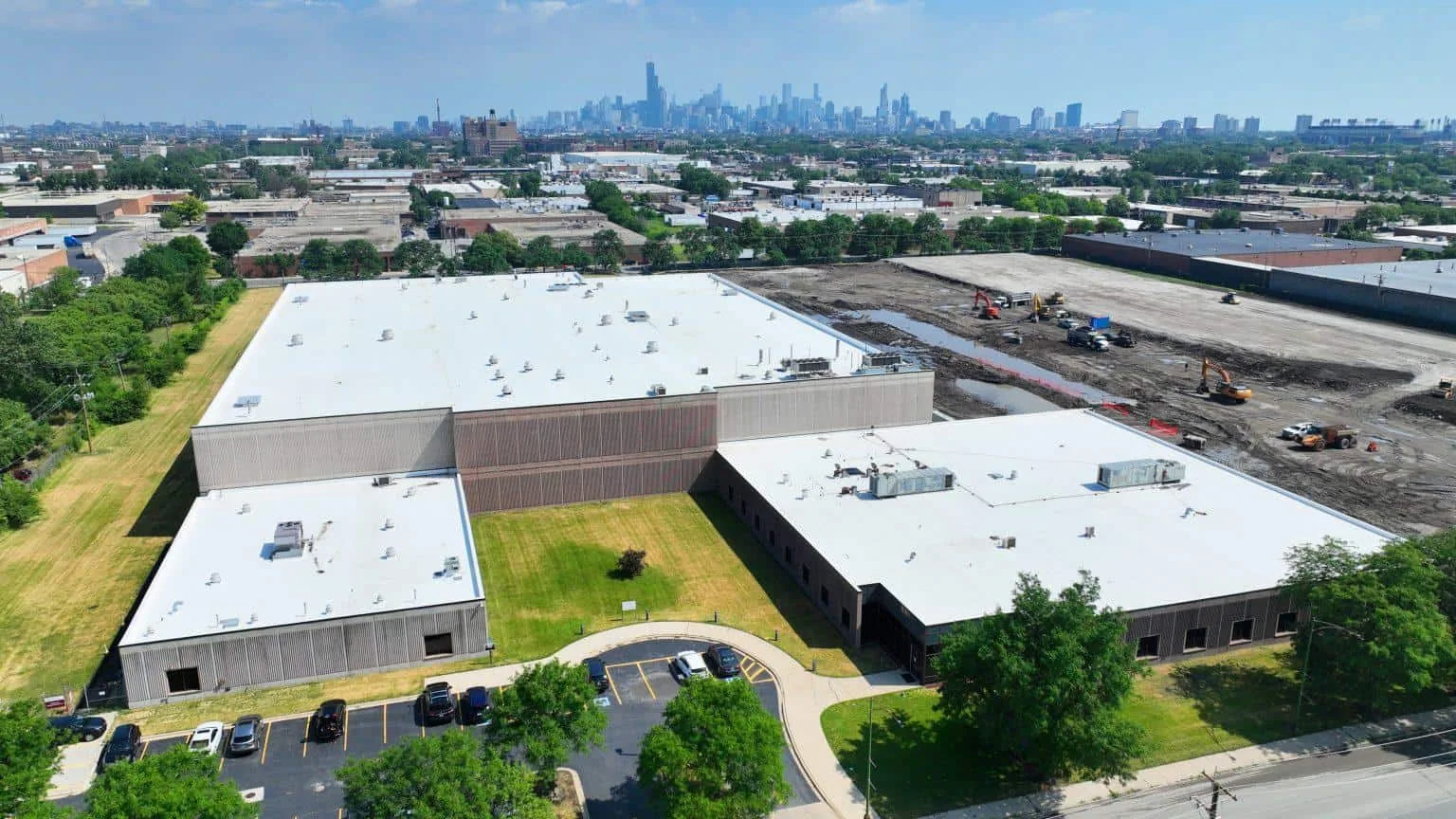
A roof file becomes useful when it connects a photograph to a location, condition, and next decision. For an Elizabeth, NJ warehouse, retail property, or occupied office, we record the assembly, drains, edges, penetrations, repairs, and areas that could not be accessed. A clear record helps the property team compare later observations without treating every leak as a new roof failure.
Midtown Elizabeth and Elizabethport include older commercial infrastructure and continuing reinvestment. The city's business mix also spans logistics, retail, small manufacturing, healthcare, and local services. Roof records help coordinate that varied building stock, while each repair decision remains tied to the actual roof and its operations.
Browse Roofing Capabilities
- Commercial Roof Asset Management Manage Elizabeth commercial roof condition, repairs, access limits, and capital priorities with a building-level record.
- Commercial Roof Capital Planning Plan Elizabeth commercial roof repairs and replacement by condition, access, and operating window, with scopes.
- Commercial Roof Condition Reports Get an Elizabeth commercial roof report with photographs, mapped conditions, access limits, and repair priorities tied.
- Commercial Roof Warranty Management Organize Elizabeth commercial roof warranty records, inspections, repairs, and trade work so owners can review.
- Commercial Roof Due Diligence Surveys Review an Elizabeth commercial roof before acquisition or refinancing with mapped observations, access limits, and practical repair questions.
- Multi-Site Commercial Roofing Programs Coordinate commercial roof inspections, repairs, and records across Elizabeth-area properties while keeping each building's scope distinct.
Record What the Inspection Can Confirm
We identify roof sections, note visible seams and transitions, and photograph conditions that affect water entry or future maintenance. Moisture readings and selective openings may help when the surface does not reveal the assembly below. A condition report separates observed facts from open questions and gives the owner a repair boundary to review.
The record should also note equipment paths, drain locations, access limits, and work that another trade may have changed. Near the North Avenue corridor, staging and delivery coordination can matter for a busy commercial site. We capture the property-specific constraints rather than infer them from its location.
Schedule Work Before Small Defects Spread
A maintenance visit checks drains, scuppers, seams, curbs, flashings, and perimeter metal. Debris or a disturbed penetration can be easier to address before water reaches interior finishes. We document each item, distinguish immediate repair from monitoring, and note when a follow-up inspection is sensible. The maintenance service can be aligned with roof access and building operations.
Elizabeth has low-lying areas near the Elizabeth River where flood and storm-surge risks matter. A building-level review still needs to trace its own roof slopes, drains, overflows, and discharge points. A general record does not replace that inspection.
Build a Capital Plan from Known Conditions
Capital planning compares repair urgency, expected scope, access, equipment moves, insulation, and the condition of concealed layers. We separate current defects from longer-term options so the owner can decide what needs funding first. A roof capital plan may compare repair, recover, and replacement paths without assigning a fixed project life unsupported by the roof record.
For property managers coordinating more than one building, a multi-site program can use consistent categories while preserving each site's details. A repair at one building does not establish what another roof needs, even within Elizabethport or the same ownership group.
Keep Approvals and Work Records Together
Before work starts, we align the written scope with access, staging, occupied areas, and approval points. If removal exposes damaged deck or wet insulation, photographs and a defined change request let the owner decide how to proceed. The roof inspection establishes a baseline, while warranty record management keeps system and service documents available for later questions.
Closeout should show repaired details, installed materials where confirmed, open conditions, and maintenance needs. Keep these notes with drawings and future trade records. When equipment changes or a leak returns, the next review can start with a useful history rather than a guess.
Commercial Roofing Questions
What belongs in a useful roof condition record?
Keep the assembly, photographs, repair areas, access limits, and open conditions together. We separate what was visible from questions that need testing or a later visit.
What makes a roof report useful for budgeting?
Separate observed conditions, test questions, access limits, and priced work.
How can capital work be phased across buildings?
Rank each roof by risk, funding window, occupancy, and weather exposure.
Which records belong in the closeout file?
Keep photos, repair areas, access limits, and open items together.