
About Commercial Roofers Elizabeth in Elizabeth, NJ
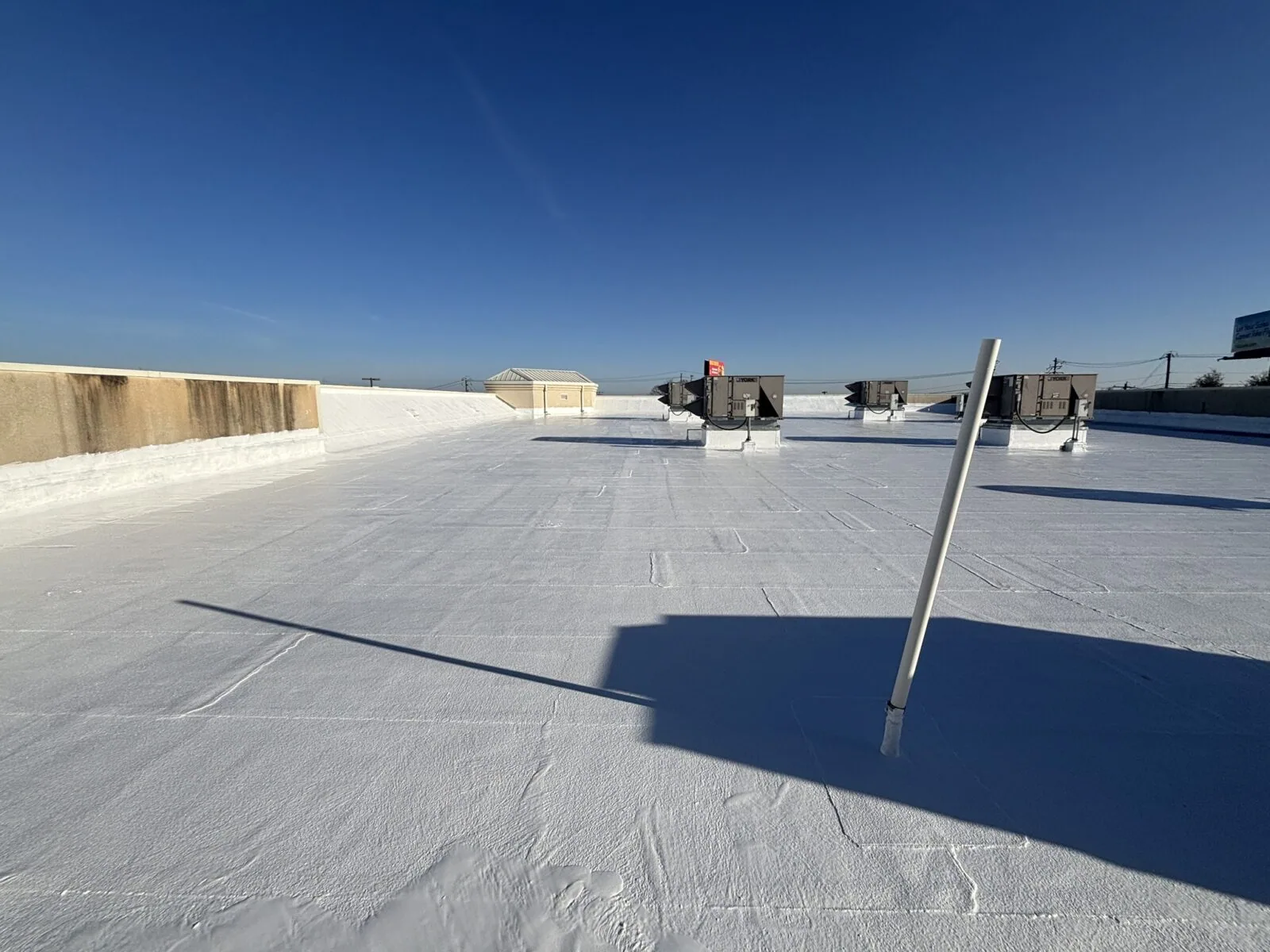
A repair request usually begins with a ceiling mark, a loose edge, or water that returns after the last patch. Commercial Roofers Elizabeth works with building owners, property managers, facilities teams, asset managers, and general contractors across Elizabeth, NJ. We inspect low-slope and metal commercial roofs, trace reported conditions, and explain the work that the roof can support. Our commercial roofing services begin with the building use, roof access, leak history, and areas that need protection below.
Elizabeth has warehouse, logistics, retail, small manufacturing, healthcare, and local service businesses. Their buildings do not share one roof type or work schedule. We learn how the property operates before setting a repair boundary or planning a larger project.
Inspect the Roof That Is on the Building
A hands-on roof inspection follows the surface to its seams, edges, curbs, penetrations, drains, and wall transitions. We compare those details with the reported leak and check whether water may have traveled through insulation or along the deck. When access permits, we document the visible condition with photographs and a written report. A commercial roof inspection can identify what is known, what is concealed, and where a test opening could answer an important question.
On a warehouse along the North Avenue corridor, broad low-slope areas may meet loading-side equipment and a busy delivery schedule. We map the roof access and site operations together. That does not determine the membrane's condition; the roof itself must be examined.
A drone survey can record drains, equipment, and edge conditions across a broad roof. Infrared moisture scanning can help direct attention to areas for hands-on testing. We compare those findings with the roof assembly and reported interior conditions before setting the repair or replacement boundary.
Compare a Repair with a Larger Scope
A limited opening may need a compatible patch, flashing correction, or drain repair when the surrounding material remains sound. We identify that boundary and note adjacent conditions that remain. Repeated leaks, wet insulation, loose attachment, or damaged deck can call for a broader comparison. A defined repair and a replacement scope should make clear what is removed, what stays, and how concealed damage will be handled.
Recovering an existing roof is possible only when its layers, moisture condition, attachment, and structure can support the new assembly and project requirements. Tear-off reaches the deck but brings more removal, debris handling, and daily protection. We review those factors with the owner instead of assuming the least disruptive option is always sound.
Work with the Installed Roofing System
We install and repair TPO, PVC, EPDM, KEE, modified bitumen, built-up, standing-seam metal, and retrofit metal systems. Spray foam and silicone or acrylic coating work may fit when the existing surface and details are suitable. Each material has its own seam or joint method, attachment, flashing, and repair compatibility. A TPO roof does not get the same patch as an EPDM lap or a metal panel seam.
Our crews follow the system and project requirements available for the building. If the product cannot be identified from records or exposed markings, we state that limit before choosing a repair material. The manufacturer system options can be considered alongside the roof's age, substrate, drainage, equipment, and expected maintenance.
Protect the Building During Roof Work
Occupied buildings need a defined work zone and a reliable closeout at the end of each shift. Before opening a roof, we coordinate deliveries, lifts, access routes, tenant or staff activity, and protection for rooms below. The open area stays within what the crew can secure and make watertight. If removal reveals wet insulation or a deteriorated deck, we photograph the condition and present the additional work for approval before covering it.
Roof drainage decisions need measurements at the building. We check low areas, drain bowls, overflow openings, and the path to an outlet, then compare visible conditions with the roof plan when one is available. If water crosses the roof edge or continues into a site line, we separate those observations from membrane work and identify which trade should review the next connection.
Fit the Work to the Building Use
A warehouse roof may need staging that leaves loading areas available. Retail and restaurant sites need safe customer paths, while a hotel or office may require quiet periods and protected entrances. Medical and public buildings can add controlled access and approval steps. We ask the property contact what must remain in service and build the roof sequence around those needs.
Elizabeth supports freight and storage alongside shops, small manufacturers, healthcare, and local services. A roof project above a loading floor, customer entrance, treatment space, or office brings different operating constraints; we confirm the actual use and access rules before setting a work sequence. Elizabethport has continuing reinvestment, but that district context does not establish the current roof assembly or occupancy at a particular property.
Keep Repairs and Maintenance in the Building File
Closeout notes record repaired locations, materials where confirmed, photographs of concealed details, and conditions left open. A roof condition report helps the next property manager or trade understand what changed. Preventive visits can clear accessible drains, check seams and flashings, and record new penetrations before a small disturbance spreads into a larger leak.
We also review the roof after equipment work or severe weather when a property team reports a concern. Our emergency response is available around the clock, holidays included. The immediate work is to protect the building and secure the opening; a permanent repair follows when the affected assembly can be inspected and the repair boundary set.
Start with the Property and Its Constraints
Midtown Elizabeth and Elizabethport are older commercial corridors with continuing reinvestment. A roof in either district can sit above a different use, assembly, or maintenance history. We confirm where the crew can stage, which routes stay open, whether tenants or operations need notice, and how the site contact will review a change in scope.
Bring roof drawings if available, prior repair notes, photos of the leak inside, and any access rules. We will inspect accessible conditions, explain the options the roof supports, and identify what remains uncertain. The proposal states the work area, materials, details, protection plan, and closeout record so the owner can make a clear decision.
Commercial Roofing Questions
What should I provide before a roof review?
Roof plans, repair history, leak locations, access rules, and the building schedule help us prepare. We inspect available conditions and identify where testing could clarify hidden layers.
Can your crew work while tenants or staff are in the building?
The building can often remain in use when access and protection are planned. We identify affected rooms, entrances, deliveries, and work hours, then set a roof opening limit that can be secured daily.
Do you handle a leak after business hours?
Emergency roof response is available around the clock, including holidays. We first secure the opening and protect the interior, then plan permanent repairs around the material and conditions we can inspect.
How do you choose between repair and replacement?
Moisture extent, substrate, attachment, existing layers, drainage, and repair history guide the comparison. We explain the confirmed work and concealed conditions before recommending a boundary.
Arrange a Commercial Roof Review
Tell us the property type, leak history, operating schedule, and access limits. We will inspect the roof and explain the repair, replacement, recover, or maintenance options it can support.