
Commercial Roof Leak Repair in Elizabeth, NJ
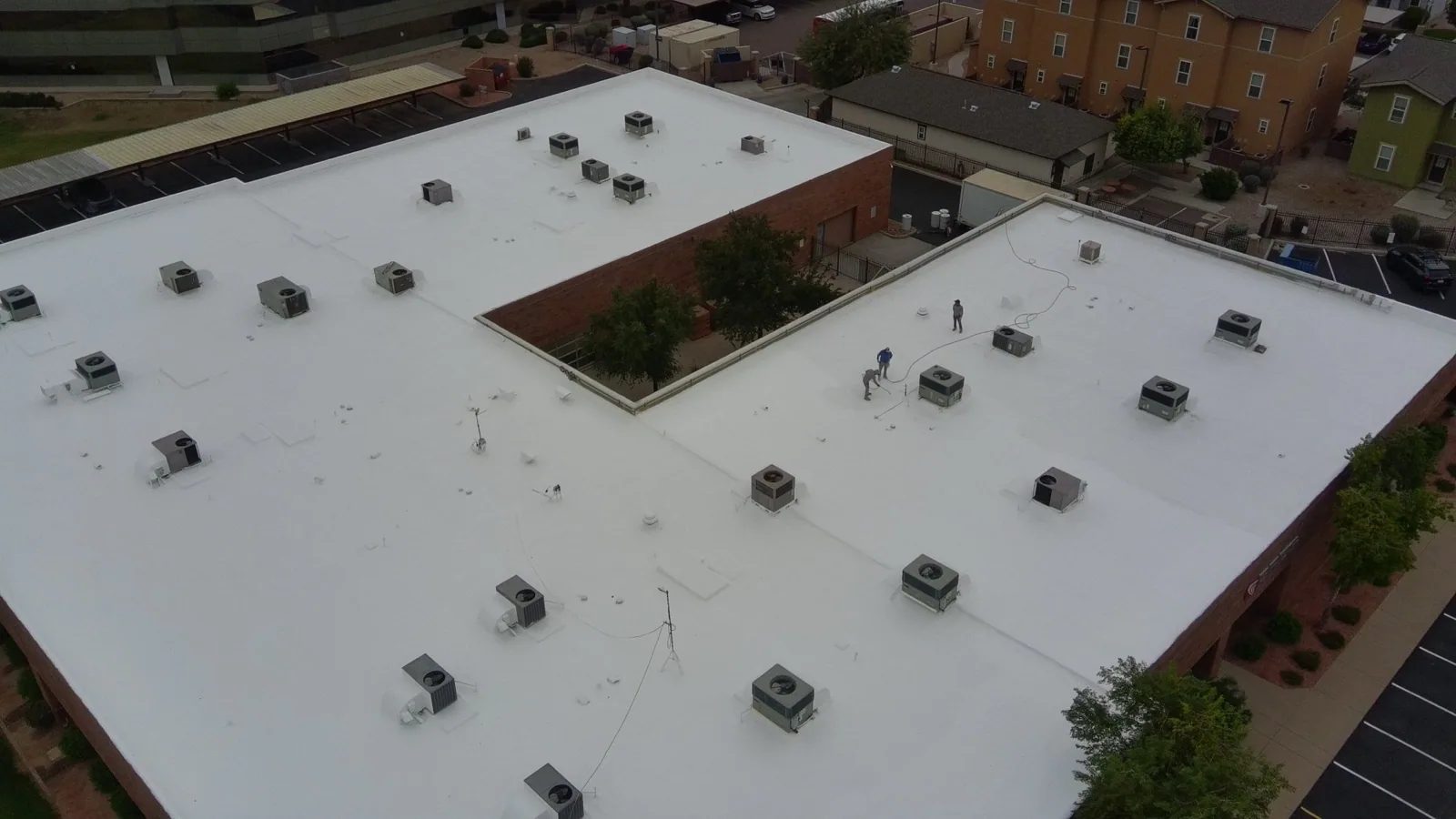
A ceiling stain marks where water appeared, not necessarily where it entered. On a commercial building in Elizabeth, we start above the affected area and follow the roof details that can carry water: seams, curbs, drains, wall terminations, and penetrations. The goal is a repair boundary that reaches sound material. A patch over the visible symptom may leave the entry point active. On properties near the North Avenue corridor, we also coordinate access with loading and retail operations so the roof walk does not interfere with the site.
We inspect the roof system, compare interior reports with surface conditions, and use moisture testing when the assembly needs a closer look. Once the source is identified, we explain the permanent repair and any temporary protection needed first. If water is entering now, our emergency crews respond around the clock, including nights, weekends, and holidays. Safety and weather conditions determine what can be done during the first visit.
Protect the Interior Before Opening the Roof
Start by keeping people and sensitive equipment clear of active water. A property contact can place a container where it is safe and report the room, timing, and whether the leak follows rain or continues afterward. Do not enter a ceiling area that is sagging or near electrical hazards. Those details help us prioritize the roof review without guessing from the stain alone.
We look at the roof above and around the affected space, including a route upslope where water may travel through insulation or deck channels. The check includes roof edges, mechanical curbs, skylights, pipe penetrations, seams, and drainage points. A commercial roof inspection can document a broader area when the entry point is not obvious. We note active water, old repairs, and any conditions that could send runoff toward the same interior location.
Test the Suspect Detail
A leak may come from one failed lap or several defects that connect under the surface. We examine the membrane for open seams, punctures, blisters, splits, and failed patches. At a curb, we inspect corners and the termination at the equipment base. At a wall, we follow the flashing height, counterflashing, and metal joints. Around drains, the clamp, bowl, strainer, and slope can all affect whether water clears the roof.
Moisture meters or infrared imaging can help identify areas that deserve a test cut. A core sample reveals the layers at that point and whether insulation is wet. The result is tied to the cut location, not generalized across the entire roof. If the pattern is widespread or extends beyond the planned repair, we explain the added survey or restoration decision before proceeding. A moisture survey can be appropriate when several areas need comparison.
Repair the Roof System, Not the Stain
The repair method depends on the membrane and the condition of the bond surface. We remove loose or failed material, clean the area, prepare the substrate, and extend the work to sound edges. A membrane seam may need a new weld or adhesive lap. A puncture may need a compatible patch with rounded corners and adequate overlap. A curb leak may require new flashing rather than a bead of sealant at the top.
Metal roofs call for attention to fasteners, panel movement, seams, and flashing at penetrations. Coated systems need compatible materials and a stable surface. At a drain, we may reset or replace a component if the connection is cracked or poorly clamped. We document the material used and the repaired location, then inspect the surrounding detail for weak points that could reopen the path. Related drain and scupper work is included when that assembly is part of the confirmed failure.
If the opening reveals wet insulation or damaged deck, we keep the area protected and show the condition before covering it. The owner can then approve the repair boundary or consider a larger corrective scope. A leak repair should not hide a compromised substrate beneath new membrane. We state what was exposed, what was replaced, and what remains outside the approved work.
Coordinate the Work With the Site
Access, equipment, and occupied areas affect the repair sequence. We confirm roof entry, ladder or lift locations, interior protection, and any shutdown needed near rooftop equipment. A warehouse may need its loading doors kept clear, while a hotel or retail property may have customer-facing areas below the work. We plan the route and staging with the property contact before carrying materials onto the roof.
The North Avenue corridor serves port traffic as well as hotels, warehouses, and retail, so a job there may need a delivery window that avoids a busy operating period. Near Midtown Elizabeth, a tight street or active storefront can also change where a service vehicle waits. We keep the repair area controlled and tell the contact when the roof is secure for normal access again. For an Elizabethport property, we confirm where materials can be staged and keep service routes clear.
Confirm the Repair and Track the Roof
After installation, we check the new lap, flashing, termination, and drainage path. Photos capture the repaired detail and any substrate condition seen during the work. The closeout note records the date, roof area, material, and maintenance items that could affect the repair. Keep that record with prior leak calls so repeated symptoms can be compared instead of treated as unrelated each time.
A repair may need follow-up if the roof remains wet, if water traveled within the assembly, or if a second entry point appears after the first one is closed. We compare the next report with the location and repair photos. That can show whether the original area needs more drying time, whether a nearby detail failed, or whether the leak came from another system such as plumbing or mechanical equipment.
For buildings throughout Elizabeth, the useful next step is a targeted check of the roof and the interior report together. A maintenance visit can include drain clearing and a review of nearby details after the leak repair. If several areas show moisture, we can discuss a broader condition report rather than repeat isolated patches.
Commercial Roofing Questions
Why does the leak appear far from the roof opening?
Water can move through insulation or along deck channels before reaching the ceiling. We inspect above the stain and follow plausible paths across seams, curbs, drains, and walls. If surface clues do not settle the source, moisture testing or a selective cut can help locate the wet area. The repair boundary follows the confirmed condition, not only the room below it.
Can you stop an active leak the same day?
We provide emergency response at all hours. The first visit may focus on a temporary dry-in and protecting the interior, depending on weather and safe access. A permanent repair follows once the surface can be prepared and the failed detail can be rebuilt properly. We explain which part is temporary and what return work remains.
What information should we give you when calling?
Share the building address, the room or equipment affected, when water appeared, and whether it follows rain. Mention roof access rules, active operations, and any prior repairs. Photos from inside can help us prepare, but they do not replace inspecting the roof. Keep people clear of any sagging ceiling or electrical hazard.
Will you repair a drain or scupper during the leak visit?
Yes, when inspection shows that the drain or scupper connection is part of the leak. We check the surrounding membrane, clamping surface, strainer, and slope. If the drainage component itself is damaged, we describe the needed correction before completing it. Clearing debris alone will not fix a cracked connection or failed flashing.
When should we request a moisture survey instead of a spot repair?
A survey helps when leaks occur in several areas, when the assembly shows broad blistering or ponding, or when the owner needs to understand the extent of wet insulation. We can use infrared patterns to choose test locations and confirm suspect areas with cores. If findings remain localized, a focused repair may still be appropriate.
Trace the Leak to a Repairable Detail
Tell us where water appeared, when it started, and how the building operates. We will inspect the roof, document the source, and explain the repair steps for your Elizabeth property.