
Roofing Manufacturers
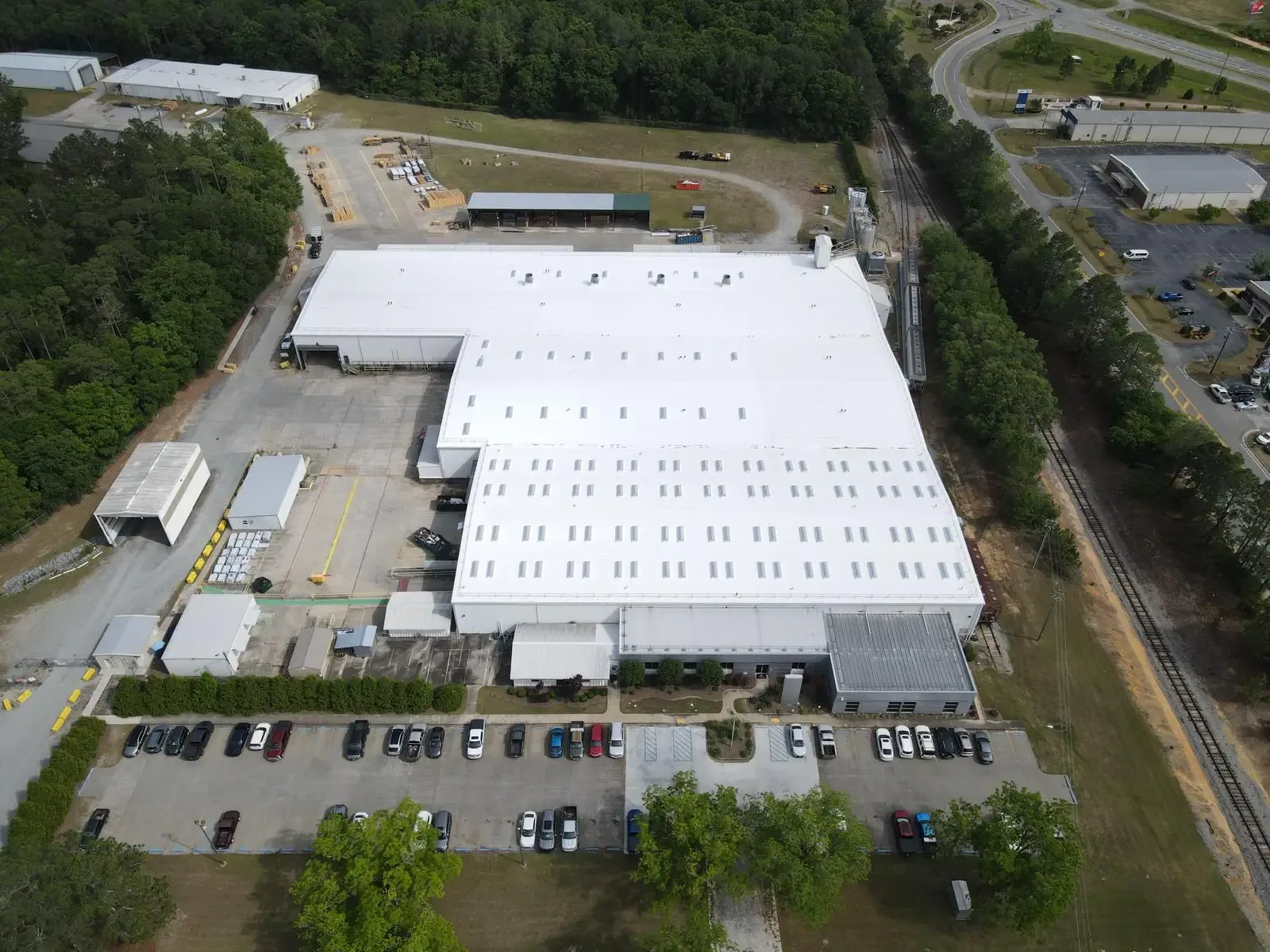
A manufacturer name identifies a product family, not the condition of a roof. On an Elizabeth, NJ warehouse, the membrane still has to meet a curb, drain, wall, and edge that have been through years of weather and trade work. We identify the installed assembly and inspect the substrate before choosing materials. The North Avenue corridor serves port traffic alongside warehouses, retail, and hotels, so access and staging can matter as much as the product selection.
Commercial Roofers Elizabeth installs, repairs, and maintains commercial roof systems from established manufacturers. We explain what the selected materials do, what details they need, and how they tie into the rest of the building. The written scope identifies the specified products and the details that connect them.
Browse Roofing Manufacturers
- GAF Commercial Roofing Systems Review GAF commercial roofing options for Elizabeth buildings, from membrane and asphaltic systems to roof details, repairs, and closeout records.
- Carlisle SynTec Commercial Roofing Review Carlisle SynTec EPDM, TPO, and PVC options for Elizabeth commercial roofs, with attention to attachment.
- Johns Manville Commercial Roofing Compare Johns Manville systems in Elizabeth, NJ. We inspect the roof, drainage, repair boundaries, and replacement details before work begins.
- Holcim Elevate Commercial Roofing Review Holcim Elevate roof options in Elizabeth, NJ. We check the existing membrane, drainage, edge details.
- Sika Sarnafil Commercial Roofing Review Sika Sarnafil PVC roof options in Elizabeth, NJ. We inspect seams, flashings, drainage, and access conditions before setting a repair scope.
- Versico Commercial Roofing Compare Versico commercial roof options in Elizabeth, NJ.
- SOPREMA Commercial Roofing Review SOPREMA commercial roof options in Elizabeth, NJ. We inspect the existing assembly, seams, drainage, and access.
- Duro-Last Commercial Roofing Review Duro-Last PVC roofing in Elizabeth, NJ. We inspect membrane fabrication, seams, flashing, drainage.
Compare the Product with the Roof
Membranes differ in chemistry, reinforcement, seam method, and repair compatibility. A GAF roof, a Carlisle assembly, or a Johns Manville system needs to be identified from the actual materials and records before a repair is specified. We check markings where visible, compare them with the roof file, and note any uncertainty. A GAF system review follows the installed assembly rather than assuming the same product appears across every section.
The base matters just as much. Moisture, loose attachment, damaged deck, or incompatible coatings can limit the options even when the membrane is recognizable. We inspect the area around the defect and state what the proposal will remove, retain, or test.
Tie Each System into the Building
Heat-welded TPO or PVC, EPDM seams, modified bitumen laps, and metal panel joints call for different preparation and repair methods. A new patch has to bond to a clean, compatible surface. Transitions at walls, drains, penetrations, and equipment curbs need their own detailing. We coordinate those parts with the selected TPO assembly or other system, then document the tie-in before it is covered.
Manufacturer materials should not be mixed without confirming compatibility. A sealant that works at one termination may interfere with a membrane or coating elsewhere. We separate product instructions from field conditions and put the accepted materials in the written scope. For a defined defect, a compatible repair should reach sound material and identify the boundary that remains outside the work.
Plan Around Existing Layers and Operations
When a roof is nearing replacement, the owner's choice may be a localized repair, recover, or tear-off. We review existing layers, moisture, attachment, deck, edge height, and drainage before comparing those paths. Product availability and system requirements are considered with the roof itself, not in isolation. The Carlisle system and Johns Manville materials can be assessed against the same building conditions without assuming one manufacturer's solution fits every section.
Work can move from freight and storage facilities to customer-facing retail or healthcare settings, each with its own operating limits. We confirm the site’s delivery window, daily roof-opening limit, and protection plan before staging products. Elizabethport is among the city areas included in redevelopment activity; that context does not determine current occupancy, roof details, or access rules at an individual property.
Keep the Product Record Usable
Closeout notes should record the material installed where it can be confirmed, repair locations, photographs of concealed work, and any access limits. Keep those details with roof plans and later trade records. A condition report gives the property team a practical baseline for maintenance and leak review. For work near the North Avenue corridor, delivery and staging notes can also help the next crew plan a safe route.
We review the project documents for applicable warranty terms and include relevant closeout steps in the scope. Bring the available roof file, prior repair notes, and building schedule to a review, and we will explain what can be confirmed and what remains open.
Commercial Roofing Questions
Can you repair a roof when the manufacturer is unknown?
Yes. We inspect the surface, exposed edges, seam type, and repair history to identify the assembly as far as the evidence allows. If a product remains uncertain, we state that limit and choose only a compatible next step.
What if the roof label and material disagree?
Compare visible seams, reinforcement, edges, and repair history to identify the assembly.
What must match before adding a new product?
Check substrate, attachment, edge details, and written compatibility requirements.
How can owners preserve product records?
Save system name, installed areas, repair materials, and warranty documents together.