
Big-Box Retail Roofing in Elizabeth, NJ
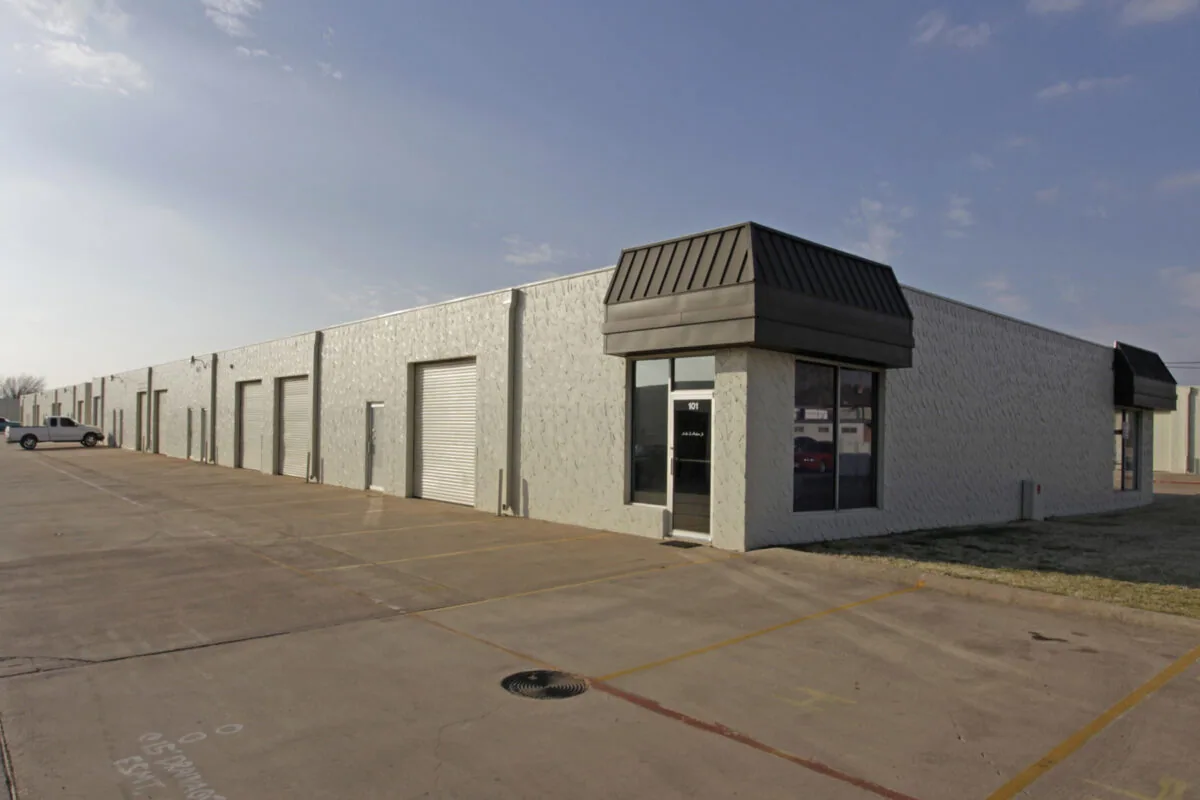
A large retail roof covers a wide sales floor, stock areas, receiving space, and equipment that may stay in service during the project. The challenge is often the work boundary: keep the building weather-tight while preserving safe customer and loading access below. Elizabeth's commercial mix includes retail alongside logistics and warehousing. We inspect the roof assembly, review leak reports, and set a phased scope that fits the site's actual hours and access rules.
The property team can provide delivery peaks, store hours, receiving routes, and rooftop equipment contacts. Those details guide staging, but the field inspection determines which areas need repair or replacement.
Read the Roof Above the Sales Floor
We inspect membrane seams, drains, perimeter edges, skylights, roof hatches, and penetrations at HVAC or exhaust equipment. A large open roof can hide several repair histories beneath patches or equipment changes. We map visible conditions and compare them with interior reports from receiving, stock, and sales areas. The ceiling location helps direct the walk, but the entry path must be checked at the roof detail.
Before recommending a recover, replacement, or localized repair, we review the existing assembly and note where moisture or deck condition needs further investigation. Equipment supports and curb corners deserve particular attention because a small flashing defect can affect a broad interior area. We identify which units belong to other trades and whether service access must remain available during construction.
Retail and warehouse uses share Elizabeth's North Avenue commercial corridor with port truck traffic. For a property there, we confirm the store's loading window, material route, and lift placement directly with its manager. We do not assume that a public street's traffic pattern determines the site's operating schedule.
Preserve Customer and Receiving Access
The manager marks customer entrances, accessible paths, receiving doors, and fire lanes that must stay open. We agree on the lift zone, dumpster location, and routes for rolls and debris. If a temporary barrier affects a storefront or loading bay, the site contact approves its timing and notice before mobilization. Those decisions should be made with the people who control daily store operations.
Roofing proceeds in sections the crew can restore or secure before leaving. The daily sequence identifies material delivery, noisy tear-off, inspection, and weather-tight closure. A manager can tell us when a truck queue or restock period makes a route unusable. The crew then uses the approved alternate path rather than shifting staging without notice.
When a leak appears over merchandise or a checkout area, temporary protection may reduce immediate exposure. We record the affected zone and explain what remains to be inspected. The permanent scope follows the roof condition, not just the aisle or department where a ceiling mark appears.
Correct the Roof Detail Before It Spreads
A bounded puncture or failed seam can be repaired when adjacent material is suitable for a lasting tie-in. We check the surrounding membrane, curb, drain, and edge before selecting the repair. If the opening reveals wet insulation or a damaged deck, photographs and a written request let the owner review the condition before more material is removed. The service record states the repair limit and any deferred work.
Leak repair begins with tracing the entry path, while commercial roof repair restores a defined area. A drainage correction can address outlet or scupper conditions documented during inspection. When several zones show wear, an inspection can document the building for a phased capital plan rather than treating each complaint as a separate permanent fix.
A replacement scope should identify the new assembly, insulation, cover board, edges, and equipment flashings. If a recover is being considered, moisture, attachment, and deck suitability need review. The proposal should also state what happens if concealed conditions differ from what is visible before tear-off.
Phase Work Around Store Operations
We plan roof zones around store hours and receiving activity. A large field may be divided by drains, expansion joints, tenant areas, or equipment clusters, but the final sequence depends on the actual roof. The manager reviews when lifts arrive, where debris leaves, and which area can tolerate noise. Each phase has a closure point that the crew checks before the next section opens.
In Elizabethport and Midtown Elizabeth, older commercial settings can have different access patterns. If staging is near one of these corridors, we verify the site's truck turn, entrance clearance, and available surface before materials are ordered. The place name is useful local context, not a substitute for measuring the property route.
A shopping center roof may connect several tenants, while a grocery store roof can add refrigeration and receiving constraints. Big-box projects have their own sales-floor and dock conditions. The closeout should keep service paths open, confirm outlets are clear, and record which roof zones are ready for normal maintenance.
Return a Practical Building Record
Closeout describes the installed system, completed roof zones, repaired details, and any work outside the approved scope. Photographs can show seams, drains, curbs, and perimeter metal before they are hidden. The store manager or property owner can keep those records with roof plans, leak tickets, and equipment service notes.
For a large footprint, the manager can keep a simple roof-zone key that matches the work report to the building plan. Each leak ticket can then refer to a roof bay, drain group, or equipment row instead of a broad sales-floor label. That makes follow-up inspection more focused when a different tenant or service contractor reports a symptom.
We list any deferred condition by area and note whether temporary protection was removed. That gives the next maintenance visit a clear starting point and helps staff avoid treating a localized repair as coverage for a separate roof section.
Arrange a review when leaks repeat, repairs overlap, or store renovation work will add rooftop penetrations. Share store hours, delivery limits, roof history, and equipment access rules. Commercial Roofers Elizabeth can inspect accessible areas and explain a repair or replacement sequence that respects customer and receiving activity.
Commercial Roofing Questions
Can a big-box store remain open during roof replacement?
Often, yes, when the contractor and store manager agree on customer paths, receiving access, overhead protection, and daily closure points. Noisy tasks or lift work may need a different window. The roof zone should be sized so it can be restored or secured before the crew leaves.
How do you protect merchandise below the work?
The store team identifies sensitive inventory and areas that need interior protection. We limit the opened roof section and note how temporary protection will be handled. If concealed moisture or deck conditions appear, the owner reviews the finding before the work boundary expands.
What access information affects a roof estimate?
Store hours, truck and receiving windows, lift positions, roof access, and equipment service routes help define the sequence. Prior leak records and roof plans also focus inspection. The final price should identify assumptions about staging and any access restriction that could change the schedule.
How are rooftop units handled during tear-off?
We record the units and their flashing conditions, then coordinate service access with the owner and equipment contractor. The roofing proposal states what membrane and curb work is included. Movement or disconnection needs approval from the party responsible for the equipment.
When should the owner consider replacing instead of patching?
Replacement merits review when leaks recur across zones, the roof contains widespread moisture, or the existing assembly cannot accept reliable tie-ins. The inspection should document deck, attachment, and drainage conditions before the owner compares a recover with tear-off.
Review a Big-Box Retail Roof
Share store hours, receiving schedules, equipment access, and leak history. We will inspect the roof and outline repairs or phased replacement around store operations.