Commercial Roof Repair in Elizabeth, NJ
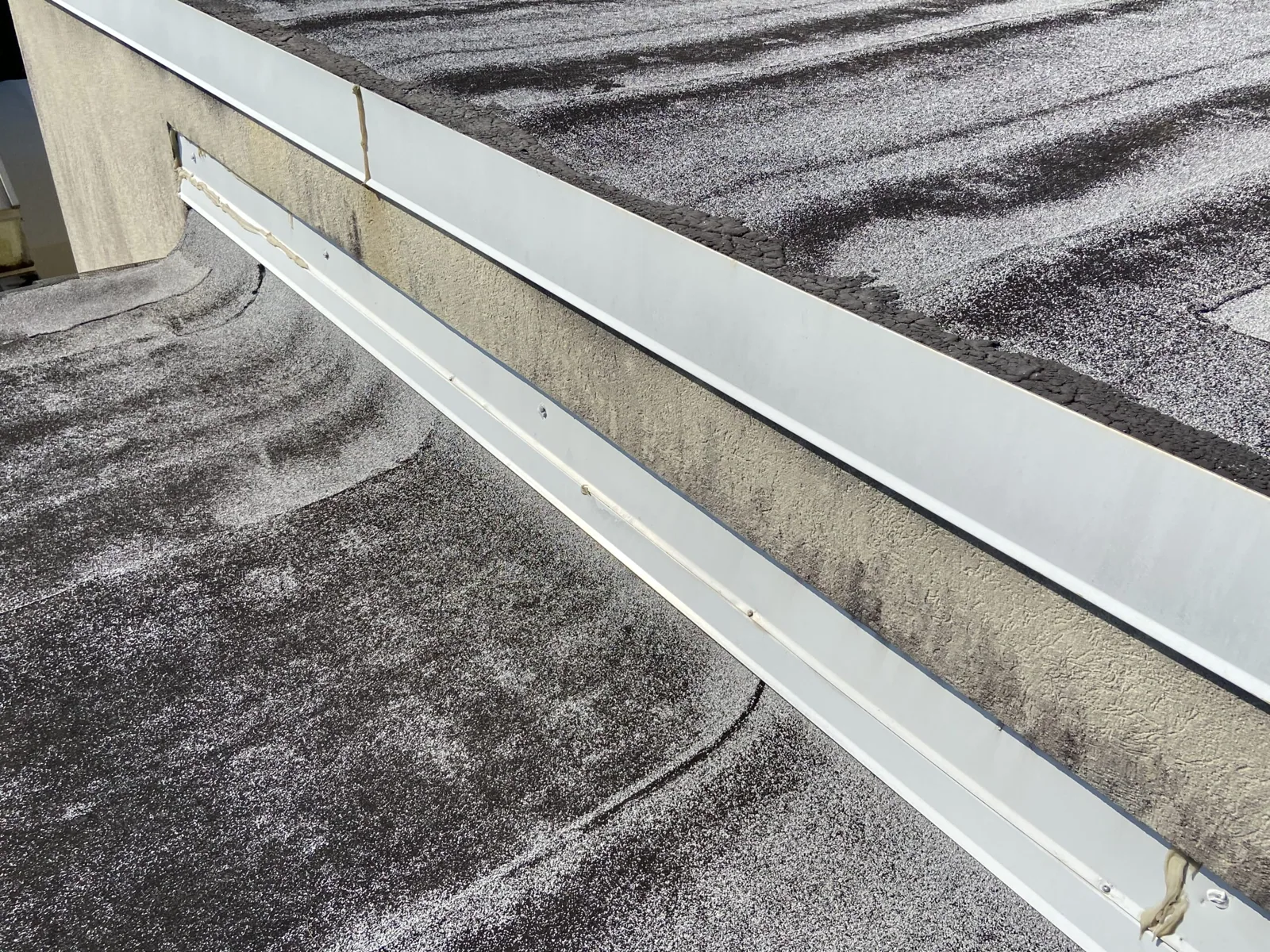
A repair should end at sound material, not at the edge of a stain. On a commercial roof in Elizabeth, water can enter at a split seam, loose flashing, curb, drain, wall transition, or puncture, then travel before it shows inside. We inspect the roof field and trace the path back from the symptom. A marked repair boundary helps separate the failed detail from the membrane that still performs. For buildings near North Avenue, active truck and retail traffic can also shape the access plan. The crew needs a clear staging area and a safe route to the work zone.
Our repair work covers membranes, flashings, edge metal, drains, and rooftop details. We document the condition, explain the recommended fix, and note any related defects that could reopen the leak. For a leak that needs source tracing, we can provide commercial roof leak repair. A small patch is useful when the surrounding surface is stable. When damage spans several connected details or moisture extends below the membrane, we outline the larger corrective scope before installing material.
Follow the Water to Its Entry Point
Interior staining narrows the search but does not identify the exact entry point. We inspect above the affected room and the roof area upslope, checking seams, fasteners, penetrations, drains, scuppers, and wall terminations. A commercial roof inspection records those findings. A leak can move along a deck flute or through wet insulation before it reaches the ceiling. We compare the roof surface with what the building contact has observed, then mark likely entry paths for testing.
We check strainers, slow outlets, blocked overflows, and recurring ponding. A seam repair will not correct a drain or slope condition that keeps an area wet. The inspection records the outlet and any separate site-discharge question for the owner.
Make the Repair Match the Roof
Material compatibility is the first check. A patch must bond to the existing surface, and the repair detail must respect the roof system. We clean and prepare the surface, remove loose or failed material, and extend the repair to sound substrate. On a membrane seam, that may mean opening the loose lap, preparing both sides, and making a continuous weld or adhesive bond. On a penetration, the repair may require new flashing rather than more sealant around an old boot.
We use a repair that suits the system, which may be TPO, PVC, EPDM, modified bitumen, built-up roofing, metal, or a coating. The right method depends on the material, age, surface condition, and whether the roof is dry enough for work. We do not apply a generic patch over dirt, moisture, or an unstable layer. The scope describes prep, repair material, lap dimensions where applicable, and how we will verify the finished detail.
Plan Access and Protect Building Use
Commercial repairs often happen while the property remains open. We confirm roof access, interior protection, equipment restrictions, and any tenant or loading schedule that affects the work. A repair above a production or customer area may need a defined work window. We keep tools and materials within the agreed staging area, protect the path below, and notify the contact if the repair boundary changes after opening the detail.
Elizabeth’s North Avenue corridor serves port traffic as well as retail, hotels, and other commercial uses. That mix makes delivery and access planning practical, especially where a lift or service truck competes with normal operations. On an occupied property in Midtown Elizabeth, we can map the work area and discuss noise or access changes before the crew starts. A property contact should know which roof section is affected and when the area will be clear.
Some repairs reveal wet insulation or deck damage once the surface is opened. We photograph the exposed condition, keep the area protected, and explain the added work before proceeding. If the condition is larger than the repair can responsibly address, we present a repair boundary or a replacement option. That conversation happens before a temporary patch is treated as a final fix.
Know When a Repair Is Enough
A focused repair makes sense when the failure is localized and surrounding membrane, attachment, and substrate remain sound. We look for repeat leaks in the same area, multiple failed seams, widespread blistering, wet insulation, and a repair history that shows the roof is losing continuity. Those signs may call for a broader restoration or replacement discussion. The recommendation follows observed conditions, not the age of a roof alone.
Cost and timing change with access, roof height, system type, weather, material availability, and the amount of hidden damage. An emergency dry-in can protect the building first, with a permanent repair scheduled after the surface is safe and dry. A planned repair can be combined with preventive roof maintenance when nearby drains or details need attention. The scope should identify what is included and which adjacent conditions remain for a separate decision.
For a property in Elizabethport, the repair still begins at the actual roof, not a neighborhood assumption. We record the roof system and location, explain the work performed, and note what to monitor. If a later inspection finds movement or moisture beyond the repair area, the owner has a starting point for deciding whether to extend the fix, survey the assembly, or plan a larger project.
Record the Work and Check the Detail
After the repair, we inspect the completed laps, terminations, flashing corners, and surrounding drainage path. We check that the patched area is bonded, the edge is secure, and water can reach the intended drain or scupper. Photos show the condition before and after work, including any substrate or insulation exposed during the repair. The closeout note identifies the material used and the area repaired without implying that unrelated portions of the roof were opened.
The building team should preserve the repair record with service history and roof plans. When another trade visits the roof, tell them which details were repaired and keep penetrations within a reviewed plan. A new conduit support or pipe can puncture a membrane beside a sound repair and create a separate leak. Marking service routes and checking them after mechanical work helps protect the repair and the roof around it.
Commercial Roofing Questions
How do you know if a patch will hold on the existing membrane?
We check the system type, surface condition, moisture, and bond area before choosing a repair method. Loose, dirty, wet, or deteriorated material must be removed or addressed first. The patch extends to sound material and uses a compatible detail. If the surrounding roof is failing, we explain why a small patch would leave the underlying problem untouched.
Can you repair a roof leak during business hours?
Many repairs can be coordinated during normal operations, but the roof access path, noise, equipment, and area below affect the schedule. We agree on a work window with the property contact and protect the interior if needed. At an active Elizabeth warehouse or retail property, loading and customer routes may determine where materials can be staged.
What should we do if water is entering now?
Move people and sensitive contents away from the affected area, contain interior water where it is safe, and contact us for emergency response. We first work to limit entry with a temporary dry-in when conditions allow. Once the roof is safe to access, we trace the source and prepare the permanent repair. Keep electrical hazards and unstable ceilings clear of the work area.
Will you repair the interior ceiling too?
Our roofing scope addresses the roof and its water-entry details. We can document interior impact for the property file, but ceiling, insulation below the deck, and finish restoration may require a separate trade. The roof should be made watertight and the affected assembly allowed to dry before interior materials are replaced.
When should a repair become a replacement discussion?
A broader review is warranted when leaks recur across several areas, moisture is widespread, attachment is failing, or deck damage appears in multiple locations. We explain what the inspection confirms and compare a larger repair, restoration, recover, or replacement. A repair record helps show whether new symptoms are isolated or part of a pattern.
Get a Repair Scope Tied to the Failure
Share the leak location, roof access limits, recent weather, and prior repairs. We will inspect the affected details and explain a practical repair scope for your Elizabeth building.