
Shopping Center Roofing in Elizabeth, NJ
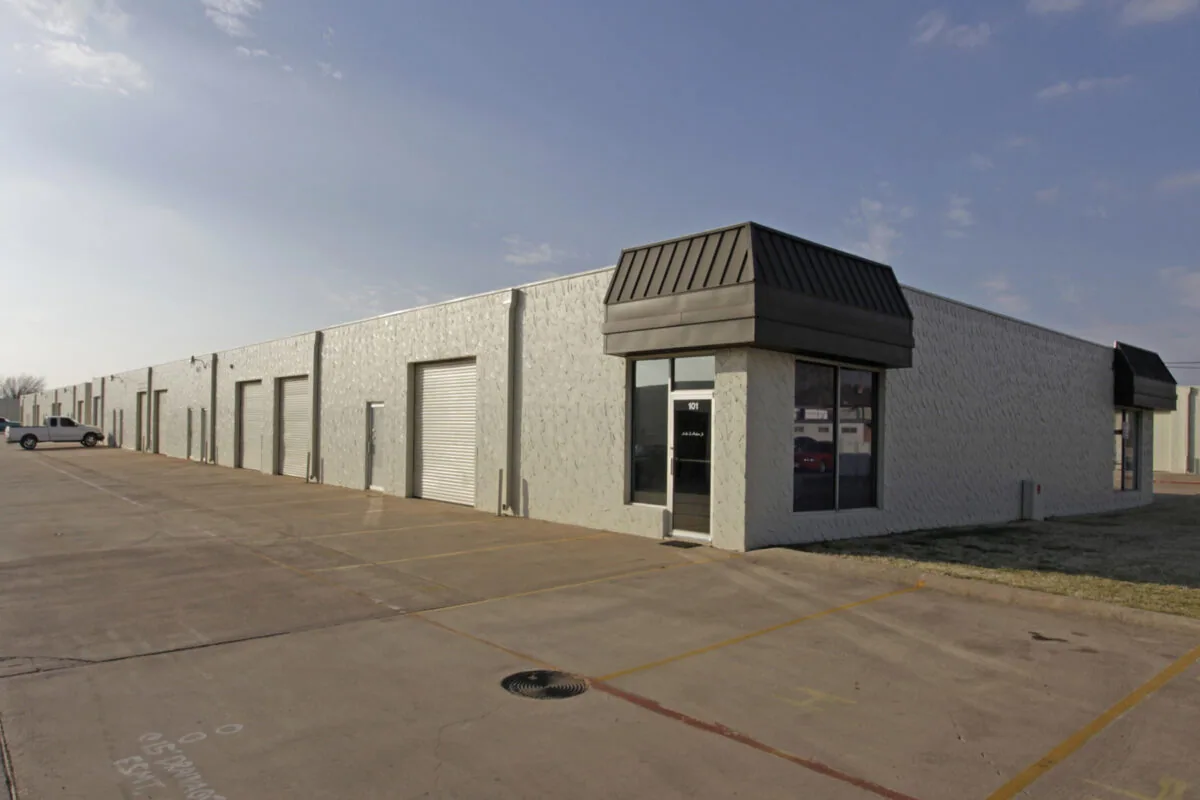
A shopping center roof can connect multiple tenant spaces under one membrane, with drains, signs, exhaust, and rooftop units interrupting the field. A leak reported by one shop may originate above another suite or at a shared transition. We inspect the roof and map the property contact's reports before recommending repair or replacement. The scope should make clear which building section is included and how tenants can keep using entrances and service areas.
For an Elizabeth property, the manager can share tenant hours, loading rules, and any event or delivery periods that affect roof access. We use those operating details to set a work boundary, then verify the assembly and visible condition on site.
Map Tenant Lines and Roof Transitions
We look for membrane seams, perimeter metal, drains, scuppers, curbs, skylights, and changes where one tenant space meets another. Roof drawings may not match later additions, so the inspection records the actual transitions and rooftop equipment. Interior reports guide where to look, but a ceiling mark does not by itself prove the entry point. We trace the likely path and note whether selective investigation would clarify hidden insulation or deck conditions.
Restaurant exhaust, plumbing vents, signage supports, and HVAC curbs each need a sound flashing detail. We identify which units another contractor services and what access they require. A roof proposal should state whether a curb or penetration is included, and who approves any equipment movement. That boundary helps the manager coordinate several tenants without asking one shop to make decisions for the whole property.
Along the North Avenue corridor, retail uses share routes with port truck traffic and other commercial activity. We confirm the center's own delivery hours, lift setup, and staging area rather than assume a corridor-wide schedule applies to the site.
Keep Entrances and Loading Areas Clear
Before work starts, the property manager identifies customer entrances, service doors, loading bays, and fire access that must stay available. We agree on the path for roofing rolls, equipment, and debris, then show where temporary barriers or lift operations will occur. Each tenant receives only the notice relevant to its entrance or operating area, with a contact for schedule questions.
Roof zones are kept to an area that can be restored or secured by the end of the work window. The crew lead reviews the active boundary with the manager, checks the drains and temporary terminations, and reports what remains open. If weather changes the sequence, the site contact confirms the adjusted work area before crews move materials or restrict a route.
When a shop reports an active leak, temporary protection can reduce immediate exposure while the cause is inspected. We document the covered area and the permanent work still required. The manager can then distinguish the interim measure from the repair and keep tenants informed without promising a result before the roof is opened.
Repair the Shared Assembly at Its Failure Point
A limited opening can be corrected when surrounding material is sound enough for a durable tie-in. We inspect the seam, curb, or edge, remove loose material within the approved scope, and restore compatible flashing. If wet insulation or deck damage appears, photographs and a change request let the owner review the finding before the crew expands the area. The work record identifies the tenant bay or roof zone without assigning a cause based only on the complaint location.
For several storefront leaks, start by locating the water entry rather than assigning a separate roof defect to every report. Leak repair follows the path feeding an active drip; commercial roof repair restores a seam or curb after the failed detail is identified. A roof inspection can map concerns to the sections and drains serving each tenant bay. The property manager can then distinguish urgent leak work from conditions suited to a planned replacement phase.
Replacement or recover options depend on assembly condition, moisture, deck, attachment, drainage, and applicable requirements. The proposal states how each option affects the tenants and shared access. A coating is not a substitute for correcting wet insulation or failed flashing, so the underlying condition should be addressed before a finish layer is considered.
Phase Work Around Tenant Operations
We schedule deliveries, lift work, and noisy removal around the center's operating pattern. A manager can identify peak shopping periods, replenishment windows, and times when a service lane cannot be blocked. The crew works through zones that can be closed within the approved shift. If a lift or dumpster needs to move, the property contact confirms the route and notice before the change happens.
Older commercial corridors such as Midtown Elizabeth and Elizabethport have varied access and infrastructure. For a shopping center, the field walk confirms the actual surface for staging, available truck turn space, and the route that keeps tenant service areas open. We do not assume that every storefront or lot has the same circulation.
A big-box roof has a different scale from a multi-tenant center, while grocery store roofing often requires close coordination around loading and refrigeration. The manager can use those comparisons to frame questions, but each roof gets its own inspection. Drain and scupper work can be coordinated with replacement when the outlets or flow paths show a documented need.
Give the Property Manager a Clear Record
Closeout identifies the roof zones completed, the system installed, and any repair boundary left outside the contract. Photographs show drains, seams, edges, and tenant-line transitions before they are covered. The property manager can retain the record with roof plans and service logs, then share the relevant details with a tenant or future contractor when work is requested.
We list any deferred condition, temporary measure removed, and follow-up item selected by the owner. That record helps prevent a shared roof issue from being sent repeatedly to the wrong tenant or trade. It also gives the manager a practical reference when planning the next capital phase.
Arrange a review when several tenants report leaks, repairs overlap, or a center needs a replacement budget. Share roof drawings, tenant contacts, access rules, and recent maintenance notes. Commercial Roofers Elizabeth can inspect accessible areas and outline a scope that identifies shared spaces, tenant coordination, and work limits.
Commercial Roofing Questions
How do you identify which tenant is affected by a roof leak?
The manager shares the reported room or suite, then we inspect the roof area above and around it. Water can travel before it becomes visible, so the repair boundary follows the roof condition identified during inspection rather than the tenant's ceiling mark alone. The report records what was inspected and what remains uncertain.
Can roofing continue while shops stay open?
Often, yes, when access routes, work hours, lift positions, and overhead protection are agreed with the property team. Some noisy or disruptive steps may need a different window. The daily zone should be small enough to close safely and should not block an entrance without prior approval.
Who approves work on rooftop units serving several tenants?
The property owner or authorized manager identifies the equipment contact and approves any service interruption or movement. The roofing proposal lists the flashing work included. Another trade handles adjustments or disconnection unless the owner gives a separate written direction.
What should the manager tell tenants before mobilization?
Share the affected roof zone, expected noise periods, delivery or lift route, and any temporary change to an entrance or loading area. Name the property contact for questions. Notices should reflect the approved schedule and avoid promising that a reported leak will be resolved before the inspection confirms its source.
How can a shopping center plan roof costs across several buildings?
A condition review can separate urgent repairs, repeat leak locations, and replacement candidates by roof zone. The owner can compare phased scopes using the observed assembly, moisture findings, access limits, and tenant impact. Each phase should state what remains outside the current budget.
Schedule a Shopping Center Roof Review
Share tenant hours, roof plans, access rules, and leak history. We will inspect the roof zones and explain repair or phased replacement options for the property team.