
Fitness Center Roofing in Elizabeth, NJ
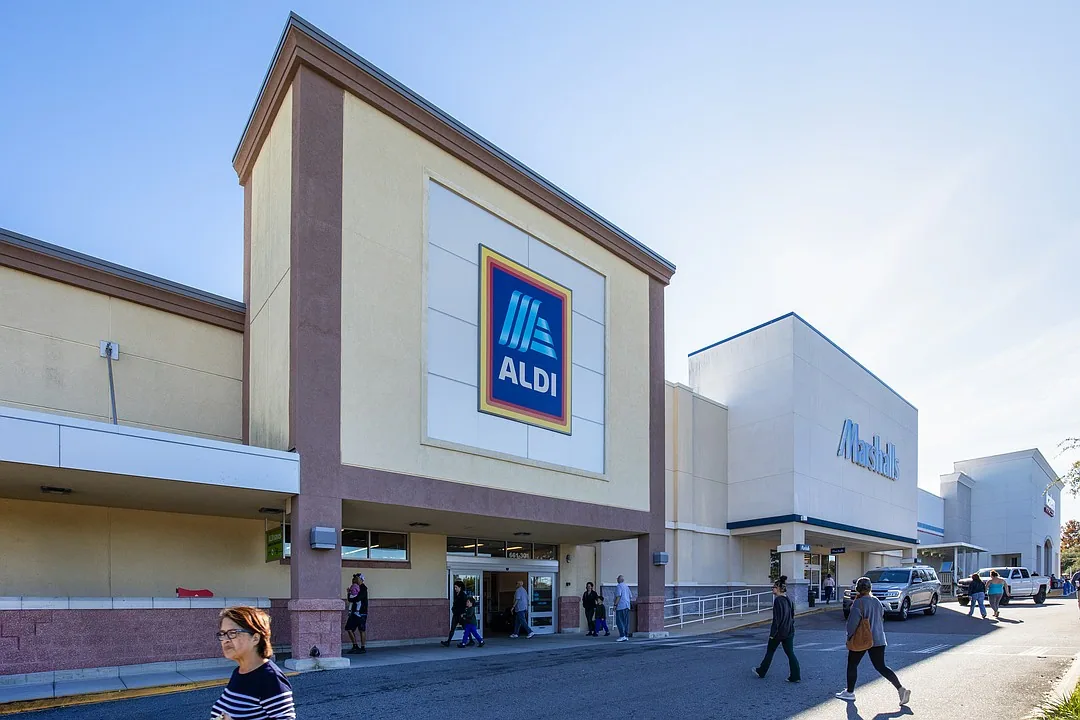
A fitness center roof protects workout floors, locker rooms, studios, offices, and mechanical equipment that may operate from early morning through evening. A leak above a studio can disrupt classes even when the opening sits elsewhere. Elizabeth's local services and retail mix provides commercial context, but each fitness property has its own hours, access, and ventilation needs. We inspect the roof assembly and plan a work boundary with the manager before materials arrive.
The facilities contact can share class schedules, pool or shower areas, equipment service routes, and any room that needs extra protection. Those constraints shape the sequence; roof conditions determine the correction.
Check Roof Details Above Active Rooms
We inspect membrane seams, edge metal, drains, curbs, skylights, and penetrations at HVAC or exhaust equipment. A fitness property may include locker rooms or wet-use areas beside a dry studio, so interior reports need to be paired with the roof map. We trace likely water paths and record the visible condition rather than assume moisture is entering directly above a ceiling mark.
Rooftop units and exhaust fans may be serviced by another contractor. We identify each curb and note which flashing work belongs in the proposal. If a unit must be adjusted or disconnected, the owner coordinates that step with its service provider. This keeps the roofing scope clear and allows the manager to plan access during work hours.
For a property near Midtown Elizabeth or Elizabethport, staging and delivery access should be confirmed at the actual site. Older commercial corridors have varied circulation, and a workout center may share parking or service routes with other occupants. The walk-through verifies where a lift can stand and which entrance must stay available.
Coordinate Member Access and Class Hours
The manager identifies the member entrance, accessible routes, class rooms, parking, and service areas that cannot be blocked. We agree on the delivery path and any temporary barrier before the work starts. If a class studio or locker room is below the active roof zone, the manager can choose a suitable work window and communicate it to instructors and members through the facility's normal process.
For a multi-day project, the manager can match daily notices to the specific studio or member entrance affected by that phase. The roofing crew provides the timing and boundary to the site contact, who uses the facility's communication channel to alert instructors and front-desk staff. This keeps a roof sequence from being mistaken for a full-building closure.
The crew limits removal to a section that can be restored or secured before leaving. The daily plan includes noise, debris handling, weather closure, drains, and roof access for mechanical service. If concealed conditions require a larger opening, photographs and a scope change let the owner decide whether to expand the work zone.
Temporary protection may help when a leak is active, but the permanent repair follows inspection. We state where the temporary measure was used and what needs a lasting correction. The owner can then schedule classes and member access with an accurate update about the roof work.
Restore the Seam, Curb, or Drain Detail
A localized opening can be repaired when the surrounding membrane and substrate support a reliable tie-in. We inspect adjacent seams, curbs, and drainage before removing material. If wet insulation or a damaged deck appears, the crew documents the finding and pauses for the owner's direction before changing the approved boundary. That keeps the repair scope tied to what was actually found.
A member's leak report can prompt a leak repair review; commercial roof repair scopes the membrane detail after the moisture path is traced. A roof inspection can record multiple areas when a maintenance plan needs a broader view. Each proposal identifies the affected roof section and whether an equipment contractor must participate.
If wear is widespread, the owner can compare recover and replacement options after reviewing moisture, deck, attachment, and drainage. A coating requires compatible existing materials and proper preparation; it does not correct a failed substrate. The scope should explain these limits so a manager can weigh price and disruption against the assembly condition.
Phase Repairs Around Facility Operations
We plan lifts, deliveries, noisy tasks, and roof closure around class schedules and equipment service windows. A manager can identify busy periods, instructor arrival, and times when a room cannot be closed. Each work phase names the roof zone and the point when it will be returned to normal access. A change in schedule is confirmed with the authorized site contact before the crew shifts material.
In Midtown Elizabeth and Elizabethport, the street approach and shared circulation can constrain where a lift is staged. At a fitness center, we compare that access with member routes before setting the work window. For a fitness center, the site walk checks whether a loading route crosses a member path and where temporary barriers may go. We do not assume a shared parking lot is available for roofing staging without the property owner's approval.
A shopping center roof may involve shared tenant paths, while school roofing follows a term calendar and student routes. A fitness facility has its own class and member flow. The work sequence should state what is open, when the crew returns, and how roof drains are checked after each zone closes.
Leave Notes for the Facility Manager
Closeout records the installed system, completed roof zones, repaired flashings, drains, and any condition left outside the contract. Photographs show curbs, edges, seams, and outlets before they are concealed. The manager can keep the record with equipment layouts and prior service requests so another contractor can see what was changed.
We list any deferred work by roof area and confirm temporary screens or barriers are removed. If a unit or exhaust detail remains outside the roofing scope, the report states that limit. This helps the fitness team coordinate its next mechanical service without assuming a curb was included in a roof repair.
Arrange a review when leaks return near workout spaces, new equipment affects the roof, or replacement needs a phased schedule. Share class hours, access rules, equipment contacts, and repair history. Share the class calendar, HVAC service windows, and any rooms that cannot share noise or dust. We can turn those constraints into roof-zone closures, with a clear dry-in point for each phase.
Commercial Roofing Questions
Can a fitness center stay open during roof repairs?
Often, when the manager and crew agree on member routes, class hours, noise windows, and the roof zone that can be closed. Some tasks may need a quieter period. The site contact confirms temporary access changes and the daily return-to-service point.
How should staff respond to a leak above a workout room?
The facility follows its own interior procedures and notes the room, timing, and nearby equipment. For a moisture report above a workout room, we compare the ceiling location with the nearest drain, curb, and membrane lap before fixing the repair boundary. Temporary cover and permanent work are described separately.
Who handles rooftop HVAC or exhaust equipment?
The owner identifies the service provider and approves any adjustment or disconnection. The roof proposal states which curb flashing is included. A separate equipment contractor coordinates any unit service that must happen before the roofing section is closed.
What affects a roof estimate for a gym or recreation facility?
Roof assembly, access, equipment density, drainage, prior repairs, and the hours when spaces can be closed all shape the scope. Plans and service records help focus the inspection. The proposal should state any assumptions about staging or interior protection.
Can replacement be completed in sections?
A phased replacement can fit around classes when the crew can close and dry-in one area before reopening its route. The schedule lists access, equipment service, and room restrictions for each area. A field review confirms that the existing roof can support the proposed sequence.
Schedule a Fitness Center Roof Review
Share facility hours, class schedules, equipment access, and roof history. We will inspect the assembly and outline repairs or replacement phases for the manager.