
Hotel Roofing in Elizabeth, NJ
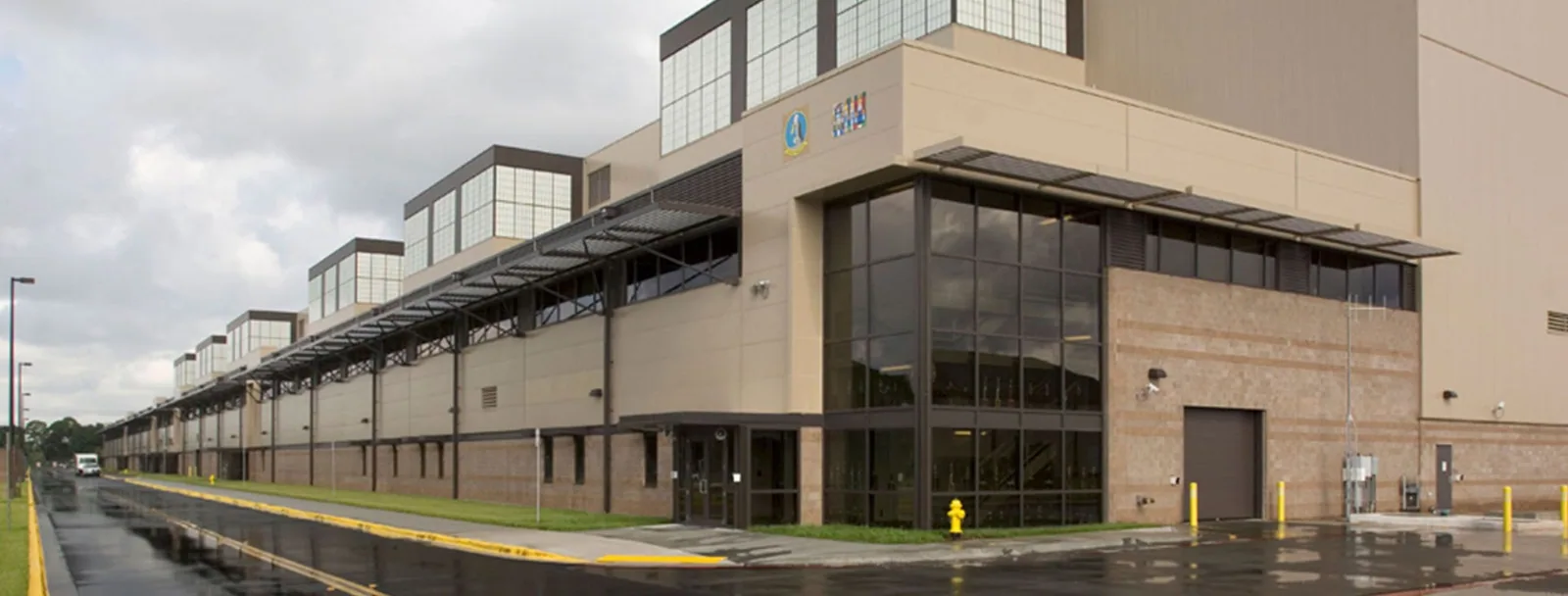
A hotel roof protects guest rooms, public areas, kitchens, mechanical equipment, and service spaces that may remain occupied during work. A leak can affect a guest experience well before the roof opening is visible. Elizabeth's North Avenue corridor includes hotels among a broader mix of retail, warehouses, and commercial activity. We inspect the assembly, record reported conditions, and plan access with the property contact before recommending repair or replacement.
The hotel team can identify guest-facing entrances, loading times, housekeeping routes, event dates, and equipment service needs. Those constraints help set a work window while the roof review determines the actual scope.
Inspect Above Guest and Service Areas
We review the membrane, seams, edge metal, drains, skylights, curbs, and roof-to-wall transitions. Interior reports from guest rooms or meeting areas help locate the first roof zones to examine, but they do not prove where water entered. We follow visible details around the symptom and document what is confirmed. If insulation or deck conditions are hidden, the owner may choose selective opening before a permanent repair is approved.
Hotels often have HVAC units, kitchen exhaust, equipment serving upper floors, and communications supports on the roof. We note service clearances and check flashing at curbs and penetrations. The scope should identify which roof detail is included and which equipment adjustment needs another contractor's approval. That prevents a roofing crew from interfering with a system the hotel needs to keep available.
Where a property has a route near Elizabethport or Midtown Elizabeth, the hotel contact confirms loading access, lift placement, and guest circulation on the actual site. Those older commercial areas have varied infrastructure; a walk-through is more useful than assuming a standard staging plan fits every entrance.
Keep Guest Routes and Back-of-House Paths Clear
The hotel manager identifies guest entrances, accessible routes, service doors, kitchen deliveries, and emergency access that must stay open. We agree on material staging, lift operation, and debris movement before work begins. If a temporary barrier or truck will affect an arrival path, the property team approves the time and provides any guest notice it considers appropriate.
For hotel roof work, the daily zone map should show which guest areas sit below and how service staff can reach rooftop equipment. Stage deliveries away from guest drop-off and mark a protected route for housekeeping and maintenance. Before cutting membrane, agree on a notice window if noise could affect occupied rooms. At shift end, inspect temporary protection and record what the next crew can enter. This gives the front desk and facilities lead a concrete update without assuming every roof zone can stay open.
For a multi-day phase, the manager can identify whether a guest notice, room assignment update, or service-team handoff is needed before each zone begins. We provide the expected work area and timing to the property contact, who can use the hotel’s established communication process. That keeps roof sequencing connected to the guest-facing plan.
An active leak may require temporary protection while the source is traced. The hotel team can protect furnishings or rooms under its own operating procedures. We record the temporary roof measure separately from the permanent repair so the owner can communicate what has been completed and what still needs attention.
Restore Flashing Without Hiding Moisture
A localized opening can be repaired when adjacent membrane and substrate are suitable for a reliable tie-in. We inspect the failed seam, curb, or edge and check surrounding details before selecting materials. If moisture extends beneath the surface, the owner receives photographs and a scope change request before additional removal. Covering wet insulation without review can leave the underlying problem in place.
Leak repair follows an active symptom, while commercial roof repair can restore a defined detail. A roof inspection can document repeat reports across guest or service areas. The work order records the guest-reported room or zone; the roof record notes the leak path and repair area found during inspection.
When the assembly has broad wear or recurring failures, the owner can compare replacement with a suitable recover. The review should address moisture, deck, drainage, attachment, and any permit needs. The proposal explains the effect of each option on access, noise, and how many zones can be completed during a given work window.
Schedule Work Around Hotel Occupancy
We plan deliveries, lift use, removal, and roof closure around guest activity and the hotel's service calendar. An event may change when noisy work is acceptable; a kitchen delivery may change where a roofing truck can turn. The property contact identifies those windows before materials arrive. Each phase has a daily closeout point so exposed areas are not left open when crews leave.
Elizabeth includes retail and hospitality uses among its commercial activity, and the city has older corridors such as Midtown Elizabeth and Elizabethport. These place-level facts help frame coordination, but the hotel sets its own guest, loading, and contractor procedures. We verify routes, staging surfaces, and check-in rules with the team responsible for the property.
A restaurant roof plan often focuses on kitchen exhaust and delivery times, while multifamily roofing requires resident notices and common-area access. A hotel may include both kinds of constraints. Drainage work can be coordinated with a replacement when inspection confirms that an outlet or scupper needs attention.
Leave Notes for Hotel Engineering
Closeout identifies the installed system, completed zones, repaired flashings, and any condition left outside the contract. Photographs show seams, drains, edges, and equipment curbs before they are concealed. The engineering team can keep those records with roof plans and mechanical service notes so a future contractor can locate the finished tie-in.
We also list deferred items and confirm that temporary covers, staging, and barriers are removed where appropriate. If monitoring is recommended, the report states which roof area to review and what condition should prompt follow-up. These details help the hotel make a planned service call rather than rediscovering the same roof history.
Arrange a review when a leak returns, an equipment project will alter a curb, or a capital plan needs phased pricing. Share guest schedules, event dates, loading procedures, roof records, and equipment contacts. Commercial Roofers Elizabeth can inspect accessible areas and outline repair or replacement steps that respect hotel operations.
Commercial Roofing Questions
Can hotel rooms remain occupied during roofing work?
That depends on the work zone, noise, access, and the hotel's own operating requirements. The manager identifies rooms and entrances that need protection or notice, then approves the daily boundary. The crew sequences work so each opened section can be closed or secured before the shift ends.
How do you coordinate a roof lift near guest arrivals?
The hotel contact identifies arrival peaks, vehicle circulation, and the location where a lift can operate. We plan material handling with the approved route and timing, then confirm any temporary restriction before it affects an entrance or loading lane.
What if a leak affects a guest room or conference area?
Staff can follow hotel procedures for the affected room and alert the facilities contact. A roof review traces conditions at nearby seams, curbs, and drains, then records the confirmed repair boundary. The closeout distinguishes interim protection from permanent correction.
Who coordinates hotel HVAC equipment during replacement?
Facilities names the vendor for each rooftop unit and sets any service window. Our scope identifies the membrane and flashing work at that curb; the equipment contractor handles any lift or disconnection it requires. The manager confirms that service can resume before the roof zone is closed.
What should the engineering team keep after the project?
Retain the system description, completed-area photographs, repair locations, deferred items, and access notes with the roof plan. Equipment service records can be kept alongside them, making it easier to distinguish a later mechanical change from an existing roof detail.
Plan a Hotel Roof Review
Share guest and event schedules, loading procedures, equipment access, and roof history. We will inspect the assembly and outline work phases for the property team.