
Warehouse Roofing in Elizabeth, NJ
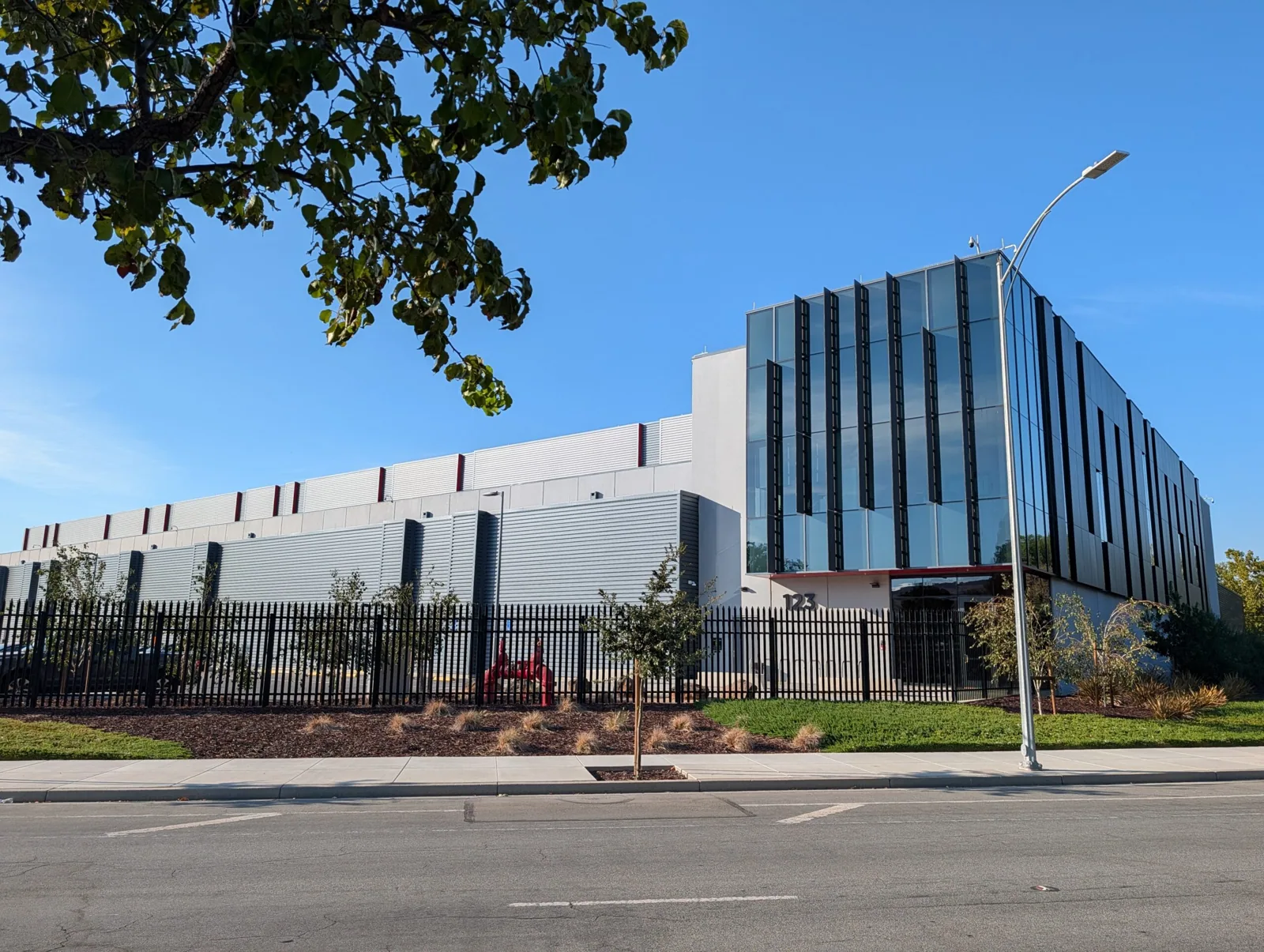
A warehouse roof has to protect stored goods, loading activity, and equipment service while the building stays in use. Along the North Avenue corridor, roof work may need to fit truck movement and delivery schedules. We inspect membrane fields, seams, curbs, drains, and interior conditions before choosing a repair or replacement scope. A leak path can cross several bays before it shows at the ceiling, so the review follows the assembly rather than the stain alone.
Elizabeth’s commercial base includes warehousing, logistics, retail, and local services. That mix makes access and staging a practical part of the roofing plan. We ask which loading doors, inventory areas, and equipment routes must remain available while work proceeds.
A distribution center roof may have conveyor penetrations and long operating shifts, while a manufacturing plant roof can have process equipment and service schedules. We review each building’s roof details and operating limits before setting the sequence.
Inspect the Roof Above Active Storage
We review the roof plan, known leak history, previous repairs, and rooftop equipment before mobilization. On the surface, we look for open laps, punctures, loose flashing, ponding, damaged edge metal, and wear around service paths. From inside, we note stains, active water, stored inventory, and areas that need temporary protection. The inspection records observed conditions and separates them from areas that require testing.
Warehouse roofs often include wide membrane fields broken by curbs, skylights, exhaust, and drains. Each interruption should be checked for a secure transition and clear access. A drain may be blocked by debris, or a curb can direct water toward a seam. We mark those details and explain whether they are part of a leak repair, a maintenance item, or a broader project.
Near Elizabethport, an active facility may have restricted roof access or delivery windows. We coordinate ladders, lifts, fall protection, and material staging with the site contact. The crew should not block loading lanes, fire routes, or equipment service areas. A workable inspection plan keeps the roof review focused while the warehouse continues operating.
Protect Inventory and Loading Operations
Before roof work starts, the property team identifies inventory that cannot be exposed, rooms with sensitive equipment, and loading doors that need continuous access. We agree on interior protection, temporary restrictions, and who will receive schedule updates. If a ceiling leak is active, temporary measures may be needed while the permanent repair is prepared. Those measures are documented separately so staff know what still needs follow-up.
Material deliveries should be timed to avoid congestion. We define where rolls, insulation, tools, and debris can move without crossing active forklift or truck routes. Roof work proceeds in controlled zones, with the open area limited to what can be inspected and restored safely during the shift. Drains remain clear, and exposed transitions are protected before weather changes or the crew leaves.
In a distribution building, operations may continue through the day with different shift patterns. The property contact can identify quiet periods, inventory movements, and required notices. We plan noisy removal, equipment lifts, and access changes around those constraints. A predictable sequence protects the warehouse without treating the roof as if it were separate from the daily work below.
Repair the Assembly at Its Failure Point
A local roof opening can sometimes be corrected with compatible membrane and flashing tied into sound material. The crew prepares the repair boundary, replaces damaged components where included, and checks the adjacent field. A patch should not cover wet insulation or a loose termination. If removal reveals a deck or substrate issue, we photograph it and request direction before the work area expands.
For a leak near equipment or a drain, a commercial leak repair traces the likely entry path and checks nearby details. A broader roof repair may address multiple conditions in one zone. If the membrane, attachment, or insulation is failing across a large area, the owner can compare a replacement scope with a compatible recover after the existing assembly is inspected.
Warehouse roofs may receive frequent service visits. Rooftop equipment supports, walk pads, and penetration flashing can be disturbed by other trades. We identify which details must be protected and how new work connects to existing metal or membrane. The closeout notes the repair locations so a later maintenance crew can find them without walking the entire roof to locate a patch.
Plan Replacement Without Losing Weather Protection
When replacement is appropriate, we map removal zones, insulation, cover board, membrane, edge details, and drain transitions. The substrate is inspected as old layers come off. Any concealed wet material or damaged deck is documented. The owner reviews added work before crews proceed beyond the authorized scope. Replacement should finish at a weather-tight boundary each day, with drains and overflow paths left open.
A cover board and insulation plan can address the roof build-up, while drainage corrections can be coordinated at outlets or persistent low areas. Edge metal and curbs need compatible transitions. The proposal names the system and work sequence so the warehouse can plan access, inventory protection, and any temporary interruption.
At a property in Midtown Elizabeth, the schedule may also need tenant coordination or a service window for equipment. We identify a contact who can authorize decisions if removal exposes an unexpected condition. That process keeps roofing work moving without assuming that concealed repairs are automatically included.
Keep a Useful Warehouse Roof Record
Closeout should identify roof system, repaired zones, materials, photographs, and any remaining condition outside the scope. Keep drawings and service notes accessible to property staff and future roof contractors. A maintenance program can check drains, seams, penetrations, and areas disturbed by equipment work before a small defect affects stored goods.
Request a warehouse roof review when leaks recur, inventory protection is at risk, or a reroof is being planned. Share roof drawings, loading hours, access restrictions, and the locations where water appears. Commercial Roofers Elizabeth can inspect accessible conditions and prepare a scope that accounts for the roof and the operation beneath it.
A roofing project should leave the facility with clear documentation and a practical way to report future issues. The property contact can use the repair record to distinguish a new leak from a previously corrected condition and schedule the right follow-up.
Commercial Roofing Questions
Can a warehouse stay open during roof replacement?
Often, after facilities and operations assign the sequence. A warehouse can divide roof work by bay, protect inventory below the active section, and reserve door groups for receiving or dispatch. Put lift paths, truck movements, and temporary interior limits on the daily coordination sheet before opening the first area. Keep loading and fire access in the plan; if a critical operation must pause, schedule that window with the site lead.
How do you protect inventory from a roof leak?
The property contact identifies vulnerable areas and stored goods. Temporary protection can reduce exposure while the permanent repair is planned. We document the affected roof zone and coordinate interior access without promising that temporary measures replace a complete repair.
What should a warehouse manager prepare for the inspection?
Share roof plans, leak history, access rules, loading schedules, equipment routes, and any interior areas that need protection. A contact who can arrange roof access helps the inspection stay focused and keeps the warehouse moving.
Can a warehouse roof be repaired in sections?
Yes. A phased scope can address zones in sequence, provided each area can be made weather-tight and transitions are planned. The schedule should identify active work areas and how deliveries or tenant operations may be affected.
How often should a warehouse roof be maintained?
The interval should reflect roof condition, service traffic, debris, and the building’s maintenance plan. Inspect after rooftop equipment work and severe weather. Keep records of drains, seams, repairs, and areas that need follow-up.
Plan a Warehouse Roof Review
Share the roof plan, loading schedule, leak locations, and access restrictions. We will inspect the assembly and explain repair or replacement options.