
Commercial Roofing in Midtown Elizabeth, Elizabeth, NJ
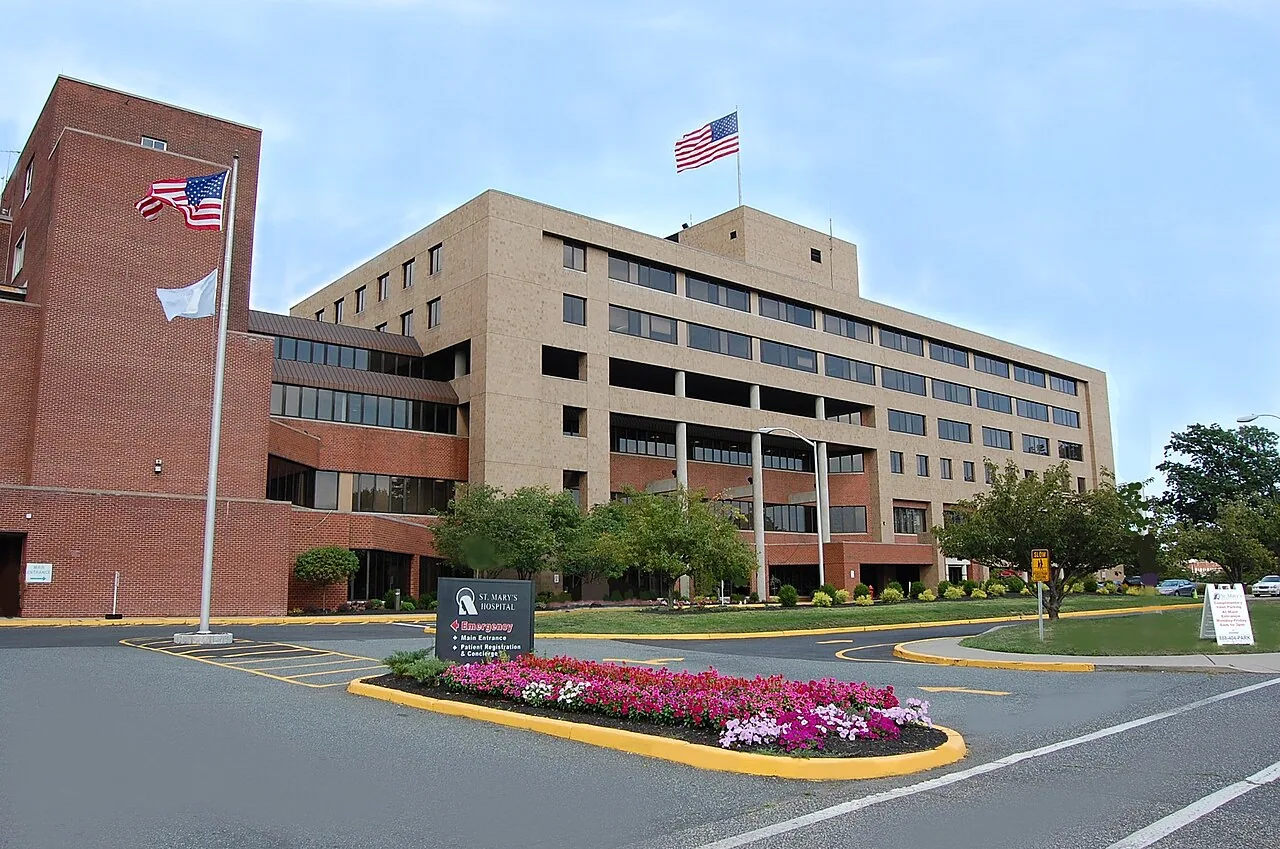
A curb, roof edge, or drain can reveal more than the open membrane field. Midtown Elizabeth is a commercial corridor with older infrastructure and ongoing reinvestment, so a roof review should record both the visible condition and any detail that may need closer inspection. We identify the system, trace reported leaks, and mark the repair boundary before discussing a patch, recover, or replacement. Elizabethport is another older commercial area in the city, but a roof condition in one district does not establish the condition of a building in the other.
Start with the Roof That Is There
We begin with the membrane or metal surface, then follow it to seams, flashings, drains, and terminations. A roof may include old patches, later equipment curbs, and materials installed during different projects. Those changes matter because repair products need a compatible surface and a sound tie-in. We photograph each area and note whether the assembly can be identified from markings and exposed edges or whether a limited opening is needed to confirm hidden layers. The commercial roof inspection records those observations before a larger scope is priced.
A ceiling mark helps locate a concern, but water can travel before it appears indoors. We compare the room below with the roof above, check nearby transitions, and look for a path along the insulation or deck. If the roof serves an occupied shop, office, or service space, we plan protection below before opening the membrane. The inspection can also identify roof areas that should remain out of the immediate repair so the owner knows exactly what the proposed work includes.
Trace the Edge and Penetrations
At a parapet or curb, the membrane turns up and meets flashing, metal, or another building surface. We check the termination, corner folds, fasteners, sealant, and any movement that may have opened the joint. Around pipes and rooftop equipment, we look for later trade cuts, loose boots, and repairs that stop short of sound material. The work area should extend beyond the visible opening when the adjacent surface has also lost adhesion. A commercial roof repair can then specify the tie-in and any detail that remains for future maintenance.
Membrane type changes how that repair is made. Heat-welded TPO and PVC, EPDM seams, modified bitumen laps, and metal panel joints do not share one universal patch method. We confirm what is installed and select compatible materials before preparing the surface. A TPO roof detail or EPDM assembly is evaluated on its own terms, including the condition of the substrate and the edge around the repair.
Account for Midtown Building Activity
The city's planning identifies warehousing, logistics, retail, small manufacturing, healthcare, and local services among Elizabeth's business sectors. Midtown Elizabeth also has older infrastructure and active reinvestment. A commercial roof can therefore sit over space that must continue to receive goods, staff, or customers while repairs proceed. We ask which doors, loading areas, equipment, and interior zones need to stay available. The sequence can divide the roof into workable sections, protect openings, and identify when a temporary shutdown is required.
Property teams also need a clear movement plan for lifts, tools, and removed material. We confirm where the crew can enter, how supplies reach the roof, and which surfaces below need protection. Where a service call affects a tenant or another trade, we state the work boundary and the order of operations before mobilization. For a building near Elizabethport, the access and staging check is made again at that property rather than copied from a Midtown job. The Elizabethport service area describes a separate district, not a single occupant or facility.
Port truck traffic also moves along the North Avenue corridor, where delivery timing and roof access can intersect. We confirm the route and site rules with the property contact rather than assuming a staging area from the district name.
Check Drains and Discharge Paths
We locate drains, scuppers, overflows, and leaders, then inspect the roof surface that directs water to them. A blocked strainer, loose clamping ring, damaged bowl, or low section can each affect drainage differently. If water remains after ordinary drainage time, we document where it collects and whether the route to an outlet is clear. The drain and scupper scope can separate membrane repairs from plumbing or site work that needs another trade.
Midtown's older infrastructure makes it useful to record what happens at the roof outlet and what happens after water leaves the building. We do not infer a site connection from the district's general planning context. Instead, we photograph the roof drain and note any visible discharge route, blockage, or recurring overflow reported by the property contact. That record gives the owner a basis to coordinate drainage questions without treating a new membrane as a correction to underground piping or grading.
Compare the Work Boundary
A repair is often the narrower choice when the defect is limited and the surrounding membrane, flashing, and substrate remain sound. Repeated openings, wet insulation, weak attachment, or failing perimeter details can justify a comparison with recover or replacement. We identify what supports each option and what remains concealed. Removal depth, insulation, equipment moves, disposal, weather windows, and interior protection influence timing and cost. A recover review should confirm that existing layers can remain without trapping moisture or relying on loose material.
If replacement is under consideration, we set out the new assembly, perimeter work, drain details, flashing, and the sequence for an occupied building. Coating is considered only where the surface and details are suitable; it does not repair a damaged deck or wet insulation. The owner can compare an replacement scope with a localized repair and see which areas are included. Open conditions are stated before work starts so a hidden layer does not quietly expand the boundary.
Leave a Clear Roof Record
Closeout photographs should show repaired seams, flashings, drains, penetrations, and the surrounding roof zone. We identify the material where it can be confirmed, record what was replaced, and note any open condition. Keep the record with the building roof plan so later HVAC or electrical work can be compared against the installed details. A photo condition report can make that information usable for the next inspection and maintenance decision.
For Midtown Elizabeth properties that stay in service, the file should also preserve access limits and any temporary protection used below the roof. Those notes help the property team coordinate future work without assuming the same interior layout or schedule. When active water entry threatens occupied space, our emergency roof response is available around the clock. We first protect the opening and define immediate work; a lasting repair follows after the affected assembly and repair boundary are visible.
Commercial Roofing Questions
What does older infrastructure change during a Midtown Elizabeth roof review?
We pay close attention to drains, terminations, previous repairs, and the path from roof outlet to discharge. The inspection records visible conditions at the property and separates roof work from site piping or grading questions.
Can a leak in an occupied Midtown building be repaired without closing the whole property?
The repair zone, interior protection, access, and work sequence determine what can remain open. We identify affected rooms and coordinate the roof opening and temporary protection with the site contact before work begins.
How do you choose between a patch and a larger repair?
We inspect the material around the defect, the flashing and seam conditions, and the substrate that can be observed. A limited failure may support a local repair; connected or concealed damage may require testing or a wider scope.
Does an old roof always need replacement?
Age alone does not establish the repair boundary. We document the membrane, insulation, attachment, edges, drainage, and prior repairs, then compare the options supported by those conditions.
What should the property team keep after roof work?
Keep photographs, product information when identified, the repaired zones, access notes, and any condition left open. Record later trade penetrations so a future inspection can distinguish them from the completed roofing work.
Arrange a Midtown Elizabeth Roof Review
Share the building use, leak locations, access limits, and roof records. We will inspect the assembly and outline a repair or replacement scope.