
Infrared Moisture Survey in Elizabeth, NJ
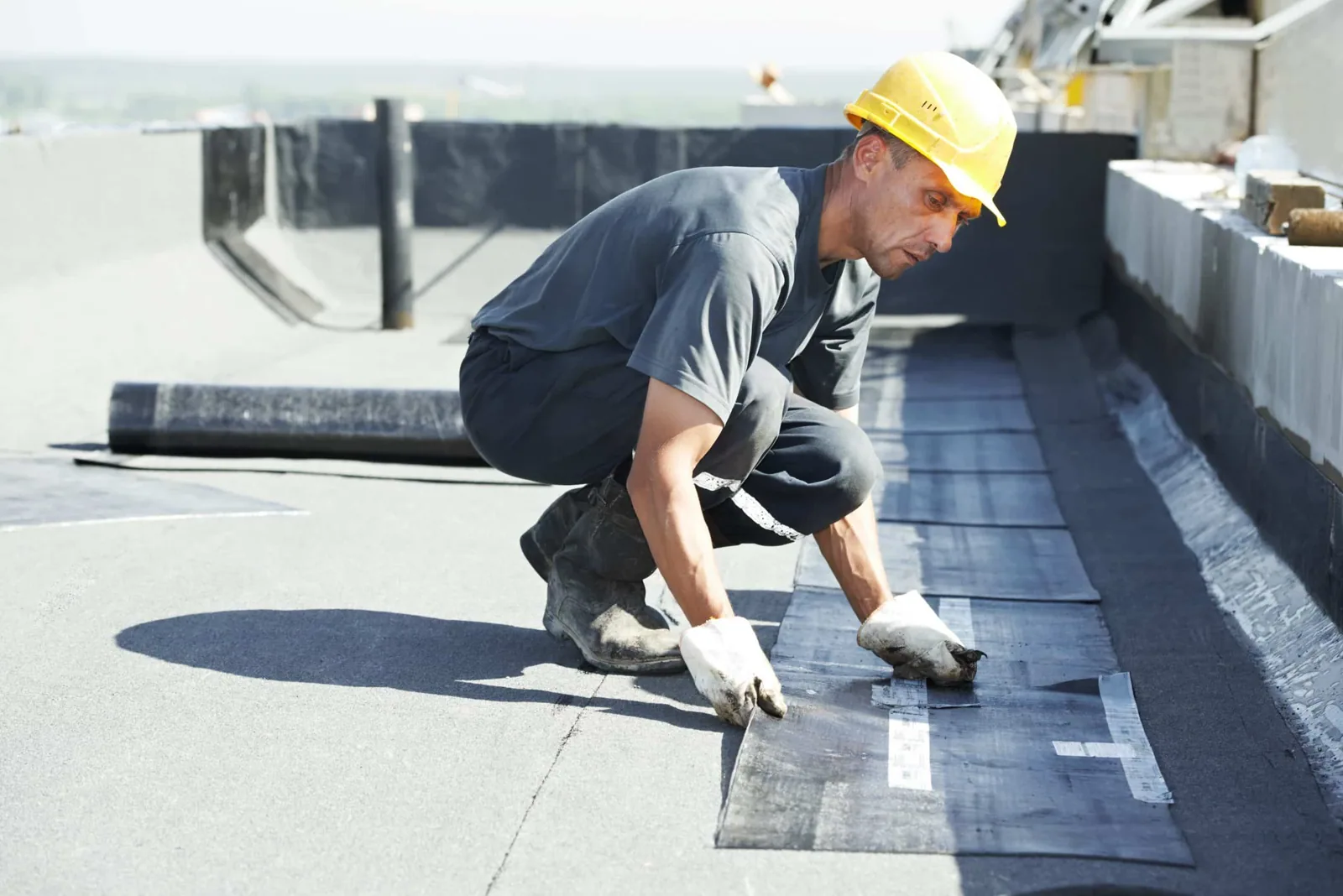
A roof can look intact while moisture sits below the membrane. An infrared survey scans temperature patterns across the surface and marks areas that may need closer testing. It does not confirm wet insulation by itself. We plan the survey around roof type, weather, access, and the owner’s question, then use selective core cuts where the pattern and field conditions justify them. For a large warehouse near the North Avenue corridor, this approach can help focus a hands-on inspection instead of opening the entire roof at random.
The deliverable connects each suspect area to a roof section, image, test result, and recommended next step. We separate a confirmed wet core from a temperature pattern that still needs verification. The owner can then compare localized removal, further testing, repair, recover, or replacement based on what the assembly actually shows.
Prepare for a Meaningful Scan
Infrared works best when surface conditions allow temperature differences to appear. We consider recent sun, cloud cover, wind, rain, roof color, system type, and rooftop equipment before choosing a survey window. A wet surface, reflective material, or sharp temperature change can distort the picture. We review those factors and decide whether an evening or nighttime scan is appropriate for the particular assembly.
Before scanning, we map roof sections, drains, curbs, penetrations, and known repair areas. The property team identifies access restrictions and any locations where other trades recently worked. For a commercial building in Elizabeth, that context matters because warehouses, retail properties, hotels, and offices have different rooftop equipment and use patterns. The scan is planned to answer a condition question, not simply to produce a colorful image.
We also review the interior leak history and visible surface clues. A stain, blister, soft area, or recurring seam leak can help prioritize a section. If the owner is planning a recover or replacement, we can mark locations that should be tested before the scope is finalized. The test plan should include representative suspect areas and appropriate comparison locations, without claiming that a small sample represents the whole roof.
Separate Thermal Patterns From Confirmed Moisture
Infrared images show temperature differences, not water directly. A warm or cool shape may relate to moisture, but it can also result from insulation changes, equipment shadow, repairs, deck type, or surface conditions. We compare the pattern with the roof layout and inspect the area on foot. When a core cut is warranted, it confirms the materials and moisture at that exact point. The sample is photographed, labeled, and sealed or repaired.
The survey record includes the scan image, roof-area reference, field observation, and any test result. We avoid labeling an entire section as wet based on one anomaly. A confirmed wet core supports a local finding; other suspect areas remain candidates until tested. This distinction helps the property owner avoid removing sound material or covering an unresolved wet zone.
Water on a roof can come from a blocked outlet, poor slope, a wet assembly, or a site-drainage issue beyond the membrane. We check drains, scuppers, slopes, and interior reports directly; a moisture scan still needs field observations and selective testing before a roof zone is called wet. We tie survey findings to the surface and test points.
Choose the Repair Scope From the Findings
If testing confirms a small wet area surrounded by sound material, localized removal and replacement may be practical. We show the repair boundary, insulation and cover-board work, and membrane tie-in. If wet material extends through several connected sections, a broader removal or replacement plan may be more reliable than scattered patches. The report identifies which areas are confirmed and which still need testing before that decision is made.
A recover should not trap wet insulation beneath a new layer. We evaluate moisture distribution, attachment, layer count, deck condition, and the finished height at walls, drains, and curbs before recommending an overlay. If the assembly is suitable, we explain the remaining risks and how affected areas will be removed first. If not, we compare removal with a targeted repair plan.
For a property near Midtown Elizabeth or Elizabethport, the report still describes the roof we tested rather than assuming neighboring buildings share the same condition. A hands-on roof inspection can pair thermal review with seams, flashings, and drainage checks. If a confirmed defect is localized, we can prepare a repair scope tied to that finding.
Plan Testing Around Building Operations
Core cuts and roof access require coordination. We confirm where a ladder, hatch, or lift can be used and whether escorts or shutdowns are needed. The test area must be protected from foot traffic while the sample is taken and the opening repaired. For an occupied warehouse, loading activity and equipment service routes can affect the sequence. We review those constraints with the site contact before beginning.
The North Avenue corridor connects port traffic with hotels, retail, warehouses, and other commercial uses. A site in that area may need a clear delivery window and a defined staging point. For an Elizabethport building, the owner may need to identify tenant spaces or equipment below the test area. We mark locations on the roof plan so the property team can match each sample to its interior and maintenance records.
Weather can postpone the scan or prevent a proper seal after a test cut. We do not force an interpretation from poor conditions. If the surface is wet or the thermal contrast is weak, we explain the limitation and reschedule or use another inspection method. A valid result depends on method and conditions as well as the image itself.
Keep Test Results With the Roof Record
The final record should show scan areas, suspect patterns, core locations, material layers, moisture observations, and repair recommendations. Images need labels that make sense to someone returning to the property later. We include the limits of the scan and distinguish confirmed findings from areas that remain uncertain. This gives the asset manager a usable file for comparing bids and prioritizing work.
If a roof leak is active, an investigation of the leak path may be more urgent than surveying every section. A broader condition report can organize the findings for capital planning. Once repairs are completed, schedule preventive maintenance to check the repaired areas, drains, and rooftop penetrations.
After mechanical work, retain new roof plans and identify where wiring, piping, or equipment supports were added. Those changes can affect a later scan or introduce a separate moisture path. Comparing the next survey with dated images and repair notes helps determine whether a thermal pattern changed or simply appears different under new conditions.
Commercial Roofing Questions
Does infrared confirm that insulation is wet?
No. It identifies temperature patterns that may warrant testing. We compare the image with roof conditions and use a core cut where needed to confirm material and moisture at that location. The report distinguishes a confirmed sample from other areas that remain suspect.
When is the best time to scan a commercial roof?
The right window depends on the roof surface, recent weather, sun exposure, wind, and system type. A scan may need to occur after the roof has absorbed heat and conditions allow temperature differences to show. We review the forecast and roof conditions before scheduling, and reschedule if the image would be unreliable.
How many core cuts will you take?
We choose locations that test suspect areas and provide useful comparison points. The number of cuts varies with roof size, pattern, system, and the owner’s decision. Each cut is labeled, photographed, and repaired. A small sample set cannot prove every section is dry, so we explain the limits.
Can the survey tell us whether to replace the roof?
It contributes evidence, but replacement decisions also depend on attachment, deck condition, layer count, edge details, drainage, and repair history. We combine the thermal pattern with field observations and test results, then compare localized removal, recover, restoration, or full replacement where supported.
Can you scan a roof before a planned recover?
Yes. A survey can identify suspect areas for testing before an overlay is specified. We confirm wet material that must be removed and assess whether the remaining assembly is suitable. The recover plan also needs to address attachment, edge height, curbs, drains, and transitions.
Map the Moisture Question Before Choosing Work
Tell us about the roof system, leak history, and planned project. We will determine whether infrared screening and targeted testing can clarify the condition of your Elizabeth roof.