Commercial Roof Maintenance in Elizabeth, NJ
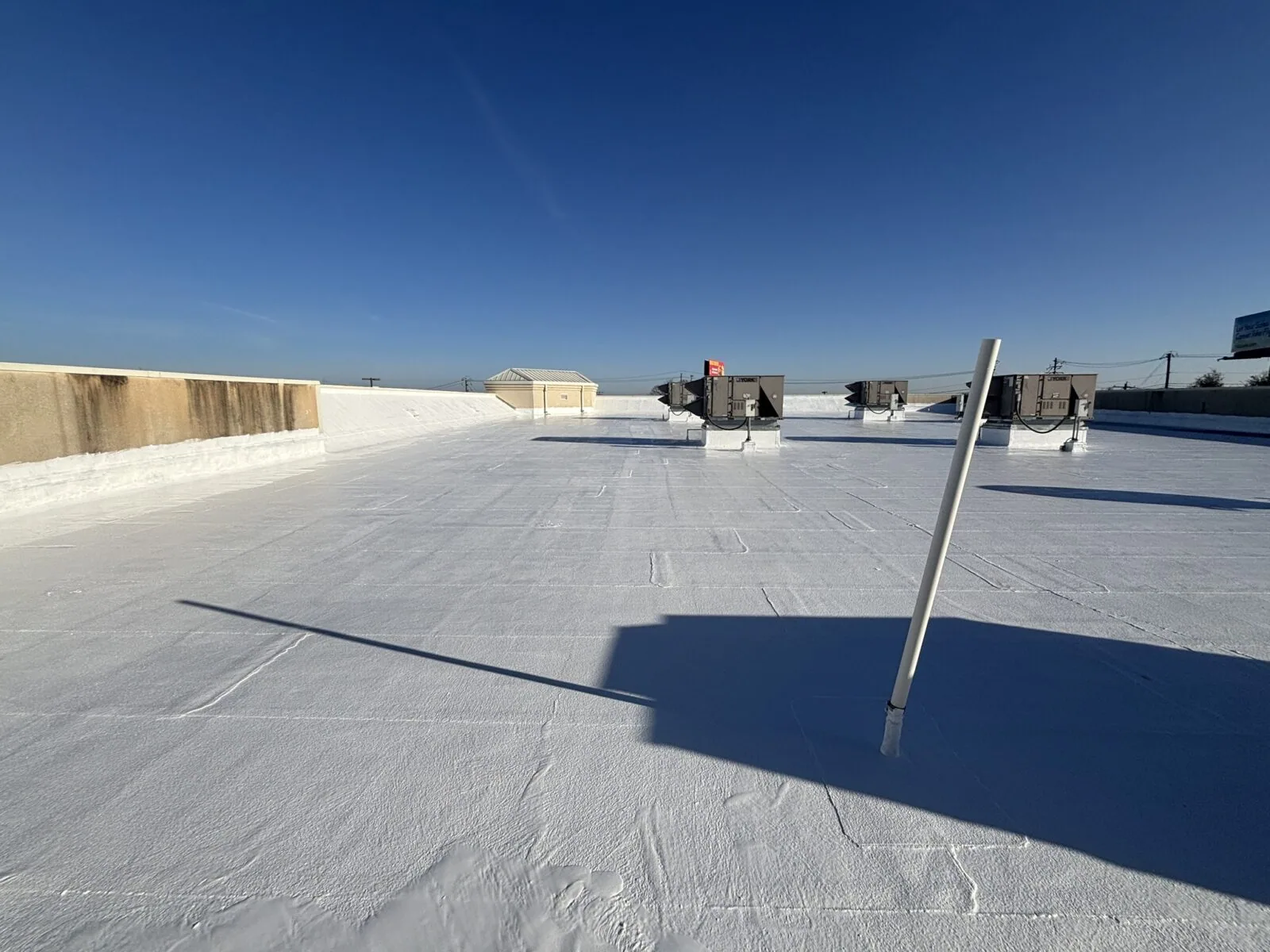
A maintenance visit is a working inspection with a short list of corrections. We clear accessible drains, check seams and flashing, look for punctures and loose metal, and record conditions that need a separate repair. On an Elizabeth warehouse or retail roof, this routine can catch a blocked outlet or disturbed curb before water reaches the space below. Near the North Avenue corridor, we also plan access around loading and site traffic so the roof can be checked without disrupting deliveries.
Each visit follows the building’s roof system and service history. We note where another trade crossed the roof, what repairs remain open, and which details should be watched next time. A maintenance record gives a property manager a clear basis for prioritizing work instead of relying on memory or a single interior stain.
Set a Schedule That Fits the Roof
The right interval depends on access, equipment activity, drainage, roof age, and the amount of work taking place above the membrane. A roof with frequent HVAC service may need closer checks at curbs and walk paths. A quiet roof with clear drainage may need a simpler calendar. We set the visit plan with the property contact and leave room for additional checks after a leak, severe weather, or construction by another trade.
Maintenance should include clearing accessible strainers, inspecting scuppers, checking overflow paths, and recording locations where water remains after rain. The roof team should note outlet condition and any visible discharge issue separately from membrane work. If ponding recurs, the owner can review roof slope, outlet capacity, and the downstream connection with the appropriate trades.
For an occupied building in Midtown Elizabeth or Elizabethport, we coordinate access and any work that could affect tenants or customers. The calendar should list the roof sections, access rules, and contacts needed for each visit. If a section is inaccessible, we record that limitation and arrange a safe way to inspect it rather than marking it complete.
Check the Details That Take Wear
Water finds a weak seam, open termination, damaged curb, or drain that cannot clear flow. We check membrane laps for separation, patches for edge lift, and flashing corners for splits or movement. At perimeter metal, we look for loose fasteners, separated joints, and sealant that no longer bridges the connection. The field surface gets a separate walk for punctures, abrasion, blisters, and debris that can hold moisture against the roof.
Drains and scuppers are checked for leaves, packaging, sediment, and other blockage. We confirm strainers sit in place and note whether water paths are obstructed by equipment or stored materials. A maintenance visit can clear accessible debris, but it cannot correct a low slope, raised drain bowl, or damaged connection without a separate repair scope. If ponding repeats in the same location, we photograph it and discuss the drainage correction needed.
We inspect penetrations, skylight curbs, rooftop equipment supports, and service routes. A new pipe or conduit can create an opening in an otherwise sound membrane. We note whether a penetration has a compatible flashing detail and whether service traffic is wearing the roof surface. The property team can then address the trade’s work before another leak develops.
Complete Small Corrections and Flag Larger Work
Some maintenance items can be handled during the visit, such as removing loose debris from an accessible drain or documenting a small concern for repair. Other work requires material preparation, dry conditions, testing, or equipment shutdown. We separate those actions in the report so a property manager can approve the right scope. A repair visit can address a confirmed split seam or failed flashing with compatible materials and a defined boundary.
Recurring leaks or broad surface changes may need more than a routine maintenance pass. We can arrange a roof inspection to document the full assembly, or an infrared moisture survey when concealed wet insulation is a concern. The additional work is based on visible conditions and testing, not a default recommendation to replace the roof.
On busy properties served by North Avenue, service access can change between visits as deliveries, tenants, or equipment move. We update the site notes when the route or work area changes. A maintenance file is most useful when it records the conditions actually observed rather than repeating an old checklist without checking the roof.
Keep the Roof History Usable
After each visit, we provide dated photos, notes by roof area, debris or drain corrections, and items requiring follow-up. The record should distinguish completed work from recommendations still awaiting approval. If another contractor installs equipment or runs new lines, add the date and area to the property file. That history helps the next technician compare a new concern with an earlier repair.
A roof condition report can organize maintenance findings for owners managing several buildings. We list the surface, edge, drain, and penetration conditions that matter to the current decision. For an Elizabeth warehouse or office, the property team can use that record to schedule a repair window and preserve access routes. The report does not claim that concealed layers are dry unless they have been tested.
Use Maintenance to Plan Capital Work
Repeated small defects can signal that the roof needs a broader review. If repairs recur at multiple seams, moisture spreads beyond an isolated area, or attachment and deck conditions are deteriorating, the owner may need to compare restoration, recover, and replacement. Maintenance notes help show how those conditions changed over time. The next inspection can include test cuts or a moisture survey where the decision requires more evidence.
We help the property team connect current findings with operational timing. A repair may be scheduled before a busy season, while a larger replacement may need phased access and interior protection. At a site near Elizabethport, loading or tenant schedules can shape the work sequence. The maintenance record identifies those constraints so a capital scope accounts for them instead of treating the roof as an empty surface.
Keep the calendar, roof plan, service history, and photos in one location. When a leak call arrives, the team can identify the last visit, known repairs, and areas that need attention first. A consistent record makes each inspection more useful and gives the owner a practical way to manage roof work across the building’s operating life.
Commercial Roofing Questions
What happens during a maintenance visit?
We check accessible seams, flashings, edges, drains, penetrations, and rooftop equipment areas. We remove loose debris from accessible drainage points, photograph conditions, and list repairs or follow-up testing. The visit follows the roof system and the owner’s service history rather than using the same checklist without adjustment.
How often should a commercial roof be checked?
The schedule depends on roof access, equipment work, drainage, prior leaks, and the building’s operating demands. We can set a routine interval and add a visit after a storm or rooftop project. The inspection record helps refine that schedule as conditions change.
Can maintenance stop every leak?
No schedule can prevent every failure, especially after severe weather or work by another trade. Regular checks can identify visible defects and drainage issues before they grow. If a leak develops, we trace the entry point and define a repair rather than assuming the maintenance visit found every concealed condition.
Will you repair items during the visit?
We can correct small items that fit the approved scope and safe conditions, such as clearing accessible debris. Membrane repairs, damaged metal, wet insulation, or equipment-related work may need a separate scope and suitable weather. We identify what was completed and what still needs approval.
What records should a property manager keep?
Keep roof plans, inspection notes, photographs, repair scopes, warranty documents, and records of rooftop work by other trades. Date each item and note the roof area. That file helps a technician compare new conditions with previous repairs and gives owners better information for capital planning.
Set a Practical Roof Maintenance Plan
Share the roof system, access rules, known leaks, and upcoming rooftop work. We will map a maintenance schedule and document the details that need attention at your Elizabeth property.