
Commercial Roof Coating Restoration in Elizabeth, NJ
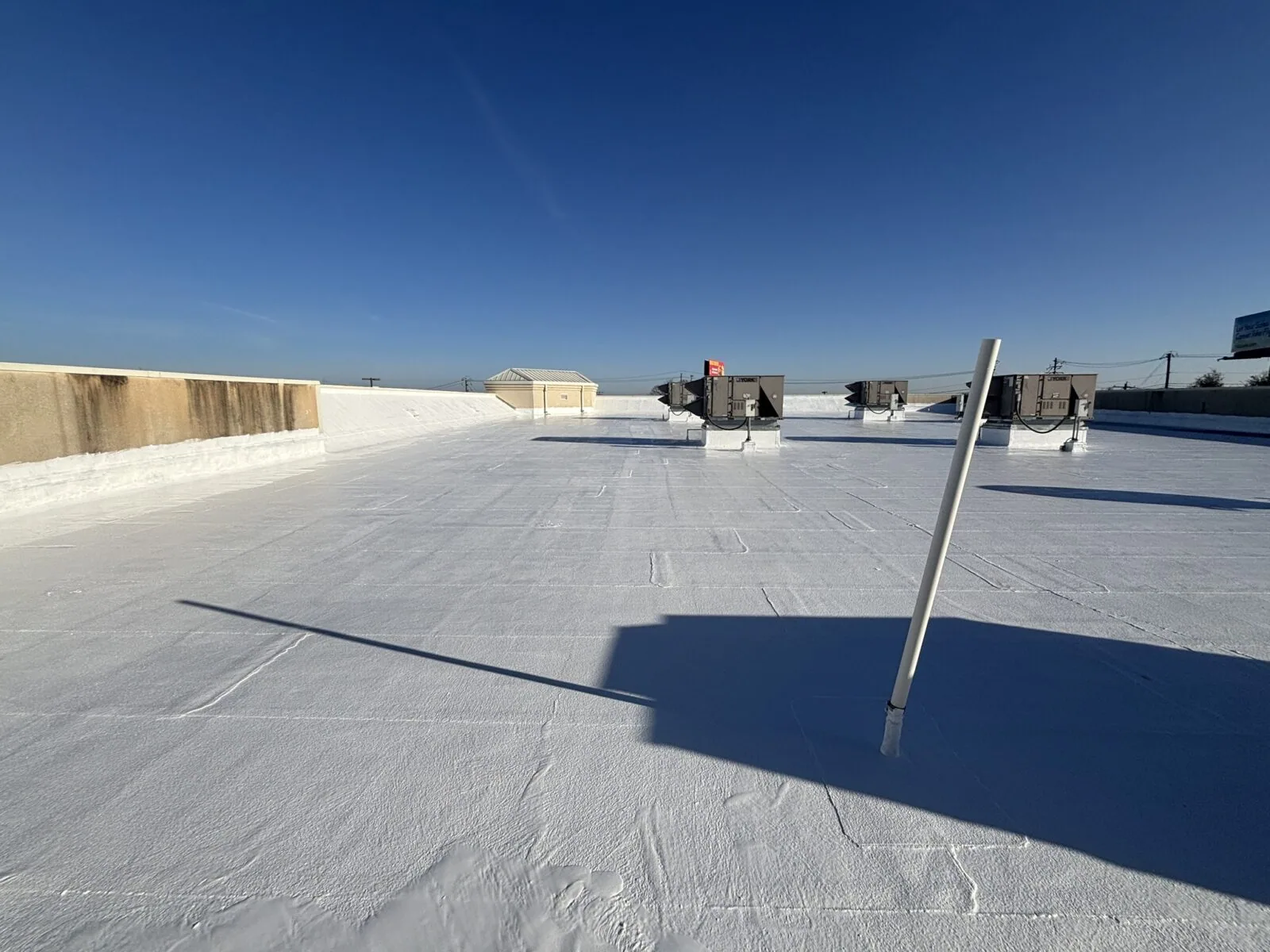
A coating is a restoration layer, not a cover for a failing roof. We first check whether the existing surface is stable, dry enough, and suitable for the selected system. On an Elizabeth warehouse near the North Avenue corridor, the roof may have long membrane runs, equipment curbs, and drains that shape preparation and access. We inspect seams, flashing, blisters, patches, and ponding before recommending coating. If water is trapped below the surface or the deck is damaged, that condition needs correction before a new film is applied.
When the substrate is sound, a compatible coating can restore weathering protection and extend the service life of the existing assembly. The scope states how the surface will be prepared, which details receive reinforcement, what coating system is proposed, and how thickness will be checked. Those steps matter more than a pail label. A coating succeeds only when the roof and the application conditions are right.
Confirm the Roof Can Be Coated
We review the existing roof type, surface condition, previous coatings, seams, edge metal, and repair history. The surface must accept the selected coating and provide a stable bond. Loose material, contamination, wet areas, failed flashings, and uncorrected leaks can interfere with adhesion or remain active beneath the new layer. We identify repairs and moisture questions first, using test cuts where the assembly warrants confirmation.
Coatings are unsuitable where wet insulation, weak attachment, damaged deck, or incompatible layers leave no reliable base. Map defects before pricing; isolated areas may be corrected, while widespread failure can favor another assembly. A coating cannot restore lost substrate strength. If testing supports restoration, define repairs and limits. Otherwise compare a roof recover or replacement roof scope.
Low-lying properties near the Elizabeth River can face flooding, so the coating assessment includes a close look at discharge paths. We record drain locations, scuppers, overflow routes, and places where water remains after ordinary runoff should have cleared. A new surface layer will not correct poor slope or a blocked outlet by itself. If drainage changes are needed, list tapered work or another correction as its own scope rather than implying the coating solves it.
Match the Coating to the Existing Surface
Silicone and acrylic coatings have different properties and application requirements. We select the system based on the substrate, exposure, drainage, compatibility, and project conditions. A surface must be clean and properly prepared. We test adhesion where appropriate and identify repairs that need reinforcement before coating proceeds. We do not assume that any liquid coating bonds to every roof.
At seams, penetrations, drains, curbs, and wall transitions, the scope may call for reinforcing fabric or a compatible detail coat. Those areas move, collect water, or see service traffic, so the coating needs a specified build rather than a thin pass over the field. We verify the cured build against the selected system and note any area that access or job conditions prevent us from treating.
On a retail property or hotel, odor, overspray risk, customer routes, and cure time may affect the schedule. On a warehouse, deliveries and equipment servicing may need a protected path. Near Midtown Elizabeth, the project plan should account for the roof and the occupied spaces below it. We coordinate those constraints before application instead of treating them as cleanup at the end.
Prepare the Surface Before Application
Preparation determines whether the coating can bond. We remove loose material and debris, clean the surface using a method appropriate to the roof, and let it dry as required. Failed seams and flashings are repaired first. Rusted metal may need cleaning and a compatible primer. Wet areas must be opened and corrected rather than coated over. We identify included preparation and concealed conditions that could change the scope.
We divide the roof into work zones so the crew can prepare, detail, coat, and check each section in sequence. Weather conditions must meet the system’s requirements for temperature, moisture, and cure. Wind can carry overspray, and unexpected rain can interfere with uncured material. We monitor conditions and stop when application would compromise the finished surface. A phased schedule protects the building while keeping the area of active work controlled.
Where coating meets roof edges, coping, curbs, skylights, and equipment supports, we inspect the existing flashing and termination. If a detail needs new metal or membrane work, we complete that correction before applying coating. The completed system should connect cleanly to those interruptions and leave drains open. A coating run that covers a clogged drain or loose edge is not a complete restoration.
Apply and Check Each Work Zone
After preparation and detail repairs, we apply coating at the specified coverage rate and verify the finished build. Reinforcement at seams and corners is placed as detailed, then the field receives the required coats. We keep a record of application areas and material use. If an area cannot meet the target due to surface conditions, the crew addresses it before moving on rather than leaving a thin spot hidden among broad passes.
For an occupied warehouse along the North Avenue corridor, material deliveries and roof access must fit active site traffic. At a property in Elizabethport, we confirm where the crew can stage and how tenants or staff will move below. We protect drains, equipment, and adjacent surfaces from coating material. A property contact receives notice before work shifts to a new roof area or changes access.
Once the coating cures, we inspect seams, flashings, repairs, drains, and termination points. The closeout record notes areas completed, conditions that limited coverage, and maintenance items. If inspection finds an isolated deficiency, we correct it using the approved system. If the roof reveals broader failure than the original assessment showed, we stop and discuss the additional scope.
Maintain the Restored Roof
A coated roof still needs inspection. Equipment trades can puncture the surface, debris can collect at drains, and exposed seams may need attention. We recommend checking the roof based on access and activity, with an additional visit after severe weather or substantial rooftop work. A maintenance program can track repairs and drainage without assuming that coating eliminates future service.
We look for surface wear, open details, ponding, punctures, and coating separation. If moisture is suspected below the system, we identify a test area before choosing the next step.
Keep the coating product information, preparation notes, photographs, and repair history with the roof file. Tell future trades where the restored surface is and require compatible flashing at new penetrations. A prompt repair to a cut or loose detail can protect the larger assembly. Waiting until a leak reaches occupied space can make the next scope more disruptive.
Commercial Roofing Questions
Can you coat any commercial roof?
No. The existing roof must be stable, compatible, and prepared for the coating system. Wet insulation, damaged deck, loose membrane, failed flashing, or an incompatible surface may rule out coating. We inspect and test where needed, then explain whether restoration, recover, or replacement fits the confirmed condition.
Will a coating stop existing leaks?
Only after the leak source and failed details are corrected. Coating over an open seam or active moisture path can leave the failure in place. We inspect the roof, repair compatible details, and specify reinforcement where needed before field application. If the substrate is compromised, coating is not the repair.
How long does the work take?
Timing depends on roof area, preparation, repairs, weather windows, cure time, and access. We phase the project to protect the building and avoid coating areas that cannot dry properly. A property contact receives the planned work zones and any changes caused by conditions.
Can a coating correct ponding water?
A coating does not change slope by itself. We review drains and low areas before recommending restoration. If ponding results from drainage or geometry, the scope may need drain work or tapered materials before coating. The correction should be settled before the final surface is applied.
What maintenance does a coated roof need?
Keep drains clear, inspect seams and penetrations, and check the surface after rooftop work or severe weather. The right interval depends on access and equipment activity. We can record repairs and note areas that need monitoring so the owner can respond before a small cut spreads.
Check the Existing Roof Before Coating
Share the roof system, repair history, leak areas, and operating schedule. We will evaluate surface condition, moisture, drainage, and whether a coating restoration is a practical option in Elizabeth.