
TPO Roofing for Commercial Buildings in Elizabeth, NJ
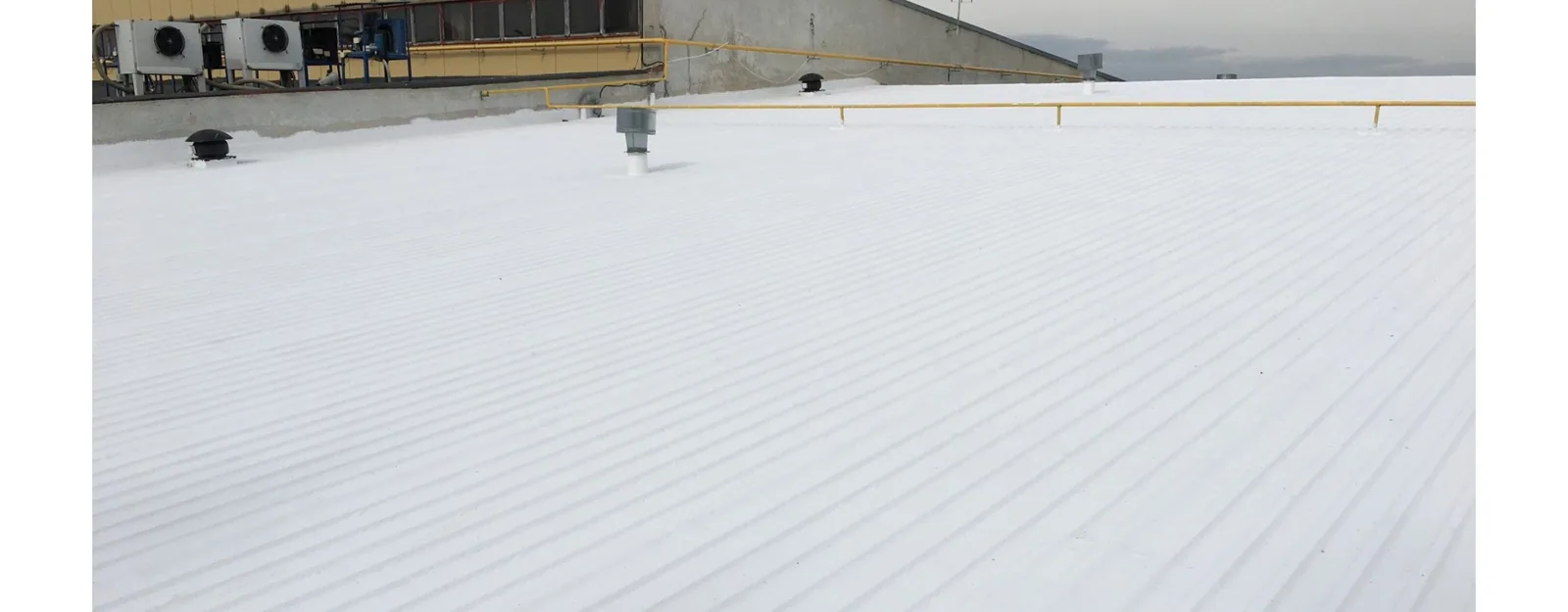
TPO roofing uses a reinforced thermoplastic membrane across a commercial roof field. On a warehouse along the North Avenue corridor, broad membrane runs still meet curbs, drains, edges, and service paths that need careful detailing. We review the existing roof and building operations before selecting an assembly. A product name alone does not define the right roof; attachment, insulation, substrate, and transitions shape the installation.
Elizabeth’s commercial properties include logistics, retail, and hotel uses. Their access and occupancy needs differ, so we plan the roof sequence around the building and its conditions. The finished assembly should be documented at seams, penetrations, and perimeter details before those areas become difficult to inspect.
Choose the Assembly for the Roof
TPO systems vary in membrane thickness, reinforcement, and attachment method. The design should account for deck type, insulation, wind exposure, parapets, and existing material. We inspect the substrate and note whether a tear-off or recover is proposed. If moisture or weak attachment is present, it needs investigation before new layers conceal the field.
Mechanically attached, adhered, and ballasted systems have different requirements. Fastener placement and seam orientation matter in an attached assembly. An adhered system depends on compatible substrates and specified adhesive conditions. Ballast adds weight and affects access and drainage. The proposal identifies the selected approach and its limits rather than treating every TPO installation as interchangeable.
System comparisons should focus on the building, not a single advertised feature. A EPDM membrane and a PVC membrane use different materials and seam methods from TPO. We compare the roof type, rooftop use, exposure, repair compatibility, and planned service life. A property team should consider how future patches will be made and whether its maintenance staff can identify the installed material. The assembly selected today becomes part of the building’s long-term roof file.
Where a roof has repeated repairs, we look for patterns: recurring seam openings, wet insulation, loose perimeter details, or damage around equipment. A material change does not automatically correct those conditions. The proposal lists prep, substrate repair, insulation replacement, and flashing work so the owner can compare a complete assembly with a narrow membrane replacement. If a test opening is needed, its location and restoration are agreed in advance.
Before material placement in Elizabethport, we map roof curbs, walk pads, drains, and service paths. These features affect access for HVAC work and inspections, so the layout keeps clear paths around equipment and outlets. A roof should remain serviceable for HVAC work and inspections, with clear paths around equipment and outlets.
Build Reliable Seams and Transitions
TPO field seams are typically heat welded. A sound weld depends on clean surfaces, suitable equipment settings, and consistent technique. Crews test seams as required and adjust for changing weather or substrate conditions. A lap that looks closed from a distance may need closer verification. We check intersections, patches, and termination bars as work moves from one section to another.
Curbs, skylights, pipes, and drains interrupt the membrane field. Flashing must rise, turn, and terminate without an open corner or unsupported edge. At a roof drain, the membrane and clamping detail need to remain secure and free of debris. At parapets and eaves, edge metal should connect to the field as an assembly. Our edge metal work and penetration flashing coordinate with the membrane.
For a roof in North Elizabeth or Elizabethport, repair history still varies by building. We identify visible patches and penetrations, then state which details will be removed, restored, or left in place. The scope records those boundaries so future leak checks can distinguish new work from adjacent existing conditions.
Install in Protected Work Zones
Installation begins with a dry, prepared substrate. We remove debris, complete approved repairs, and place insulation or cover board in the specified pattern. The crew keeps the open roof area limited and secures transitions before moving to the next zone. Materials are protected from moisture and contamination, and drains remain open throughout the work.
Sequencing also protects the building below. We coordinate noise, deliveries, lifts, and roof access with the property contact. At an active warehouse, the crew avoids blocking loading lanes or emergency routes. If removal reveals concealed damage, the area is protected and the owner receives photographs and a scope change for approval before additional work.
A replacement roof can incorporate new insulation and membrane from the deck up. A recover project needs a sound existing assembly and a documented attachment strategy. We explain which conditions make either option practical and when removal is needed to reach stable material.
Inspect the Completed Membrane
Closeout includes review of seams, patches, flashings, edges, penetrations, and drains. The crew records installed areas and conditions that limited access or changed the scope. Photographs of concealed layers, attachment patterns, and detail work can support future maintenance. The property team receives the product and care information relevant to the assembly.
TPO seams are heat-welded, and their reliability depends on clean, compatible surfaces and controlled welding conditions. We check test welds, probe completed seams where appropriate, and document transitions at curbs and edges so a later facilities review can distinguish a membrane detail from a drainage issue.
Keep the roof plan and repair history together so future trades can locate seams and avoid unnecessary cuts.
Maintain the Roof After Installation
TPO needs routine attention after installation. Debris, rooftop work, punctures, and movement around details can create new issues. Inspect accessible seams, flashings, edge metal, and drains after service work or severe weather. Repairs should use compatible materials and be completed by a qualified roofer familiar with the installed system.
Request a TPO review when a commercial roof is leaking, nearing replacement, or being planned around equipment changes. Share the known system, roof drawings, access limits, and repair history. Commercial Roofers Elizabeth can inspect accessible conditions and provide a scope tied to the assembly and building operations.
Keep a record of the membrane type, seam locations, repair materials, and any areas that were not accessible during installation. When another trade works on the roof, review that file before placing supports or cutting a penetration. A prompt check after service work can catch a disturbed lap or flashing while the affected area is still easy to locate and protect.
At closeout, we identify completed seam checks, patched details, and any condition outside the membrane scope. The record helps the facilities team plan its next roof review.
Commercial Roofing Questions
How long does a TPO roof last?
Service life depends on membrane selection, installation quality, attachment, drainage, exposure, and maintenance. We inspect the actual roof and document its condition rather than assigning a fixed life from the material name alone.
Can TPO go over an existing roof?
A recover may be possible when existing layers, moisture, attachment, and deck conditions support it and project requirements allow it. Testing or selective openings can clarify concealed conditions. The proposal should identify the existing assembly and limits.
How are TPO seams checked?
Crews verify welds using the specified field procedures and inspect intersections, patches, and terminations. Clean surfaces, compatible settings, and suitable weather matter. Defects are corrected before the area is treated as complete.
Can other trades work over a TPO membrane?
Yes, with access planning and protection. HVAC or solar work can puncture or abrade the surface if materials are moved carelessly. Coordinate service routes, supports, and repair responsibility before another trade crosses the roof.
Does TPO solve ponding water?
No. A membrane covers the assembly but does not change slope. Drainage concerns may require outlet cleaning, tapered insulation, or another correction. Inspect water paths before choosing the roof scope.
Review a TPO Roof Assembly
Share roof drawings, leak history, membrane type, and access limits. We will inspect the field and details, then explain repair or replacement options.