Commercial Roof Due Diligence Surveys in Elizabeth, NJ
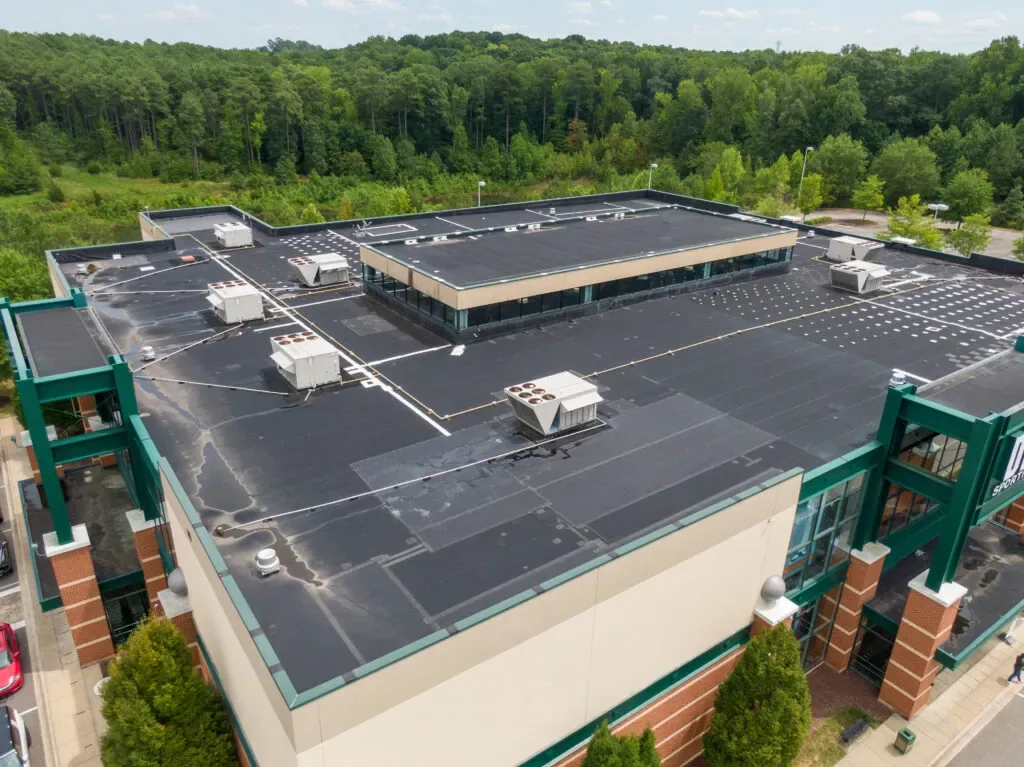
A transaction deadline can make a roof file look more complete than it is. We inspect accessible areas, compare the observed assembly with available records, and separate confirmed conditions from questions that need testing. The survey identifies roof zones, drainage, edges, penetrations, equipment, prior repairs, active water, and access limits. It is a building review, not a prediction of concealed conditions that were not opened. Elizabeth's commercial properties include warehouses, logistics uses, retail, healthcare, and small manufacturing. Midtown Elizabeth and Elizabethport have infrastructure needs; before a roof survey starts, we confirm each property's access, staging limits, and building constraints for the crew. A commercial roof inspection can provide the observations for the buyer's or lender's review.
Match the Roof Walk to Available Records
Before a site visit, gather roof plans, prior scopes, leak logs, repair invoices, warranty papers, and moisture reports. We compare the documents with visible details and note where the record does not match the roof in front of us. A plan may omit a later curb or fail to show a repaired drain. We do not assign an installation date or membrane type from a guess; the report states whether the point comes from a document or field observation. A condition report can show photographs by zone and list the questions that remain. If the transaction schedule allows, selective testing may help resolve whether concealed insulation or deck affects the buyer's capital decision.
For an acquisition, the seller can help locate past work orders, roof replacement proposals, repair warranties, and reports from earlier visits. Compare dates and areas rather than assuming a document covers the full building. A roof plan should be checked against additions, equipment curbs, and visible transitions that may have changed since it was prepared. We list missing records as open questions for the transaction team, then note which questions can be answered in the field and which require an owner, installer, or issuer to respond.
Survey the Details That Drive Roof Work
At each accessible section, we check seams, terminations, edge metal, penetrations, curbs, drains, scuppers, and transitions to walls. The survey notes open joints, loose attachment, surface changes, ponding, active water, and areas where earlier patches overlap. A roof can appear orderly from a distant view while a local detail needs a focused repair. We map each finding to a roof zone and photograph both the close condition and its position on the building. A moisture survey can be considered when hidden wet material would change the repair-versus-replacement comparison. Any opening or test area should be identified and restored as part of the agreed scope.
Account for Elizabeth Access and Use
Port logistics use North Avenue, while retail, hotel, and warehouse properties line the same commercial route. Before a transaction survey, the site's contact confirms roof entry, delivery access, and any lift location instead of leaving those details to an estimate. Elizabeth's older infrastructure needs include Midtown Elizabeth and Elizabethport. We record the roof entrance, loading or lift limits, active equipment, and areas below that may need protection. A survey along North Avenue and a roof review in Elizabethport both depend on the specific asset's access and operating schedule. The location context informs coordination; it does not establish a roof system, condition, tenant, or work history.
Turn Findings into Transaction Questions
For every item, state what was observed, where it sits, why it matters to the roof, and what action could resolve the question. Separate immediate leak control from capital work and recurring maintenance. If water is active, note the interior area and any temporary protection needed. If the condition is limited to a seam or curb, identify the repair boundary and nearby material that must support a tie-in. A roof repair scope can address confirmed defects, while broader wear may merit a recover review or a replacement comparison. The buyer can then ask whether a cost allowance, further testing, or an access agreement is needed without treating every observation as a full-roof failure.
Describe Assumptions and Scope Limits
A useful survey names what was not reviewed, including locked areas, unsafe access, concealed layers, or interior spaces that could not be entered. If the owner wants a broader assessment, the next visit can be defined by the missing evidence. Cost drivers include roof area, removal depth, substrate condition, edge corrections, equipment coordination, and protection of occupied space. The report can compare repair, restoration, recover, and replacement at a planning level, but final scope requires confirmed access and conditions. For an investor, a capital planning review can place the roof work alongside other property decisions. A property manager can coordinate records and site access through a building management team. Findings should remain distinct from negotiations, financing terms, or legal review.
Timing also changes how the finding is used. A lender may need the current condition and a defined near-term repair, while a buyer may want a broader look at phasing and future capital. We can state each option separately and show the assumptions behind it. If roof access is restricted during due diligence, the report can identify a later inspection window or a pre-closing condition to resolve. That keeps an access gap visible instead of allowing it to read like a completed review.
Deliver a Record the Parties Can Use
The closeout should give the buyer, seller, lender, and property team the same roof-zone references. Include dated photographs, observed conditions, work boundaries, access limitations, and questions that need follow-up. If repairs are completed before closing, add the scope and after photographs without erasing the original finding. The property file can then distinguish the survey snapshot from later work. A roof asset record helps retain the information after the transaction, while a warranty file review can organize documents and open issuer questions. We can explain what the inspection shows and what it does not reach, then prepare next steps tied to the building. That gives the next decision-maker a clear starting point instead of a list of unsupported assumptions.
Commercial Roofing Questions
What does a roof due diligence survey cover?
We inspect accessible roof areas and record visible system details, drainage, seams, flashings, equipment, repairs, leaks, and access limits. The report maps findings to roof zones and separates field observations from items that need documents or further testing.
Can a visual survey confirm the condition below the membrane?
A roof walk cannot verify concealed layers that were not opened or tested. We identify visible signs and state when moisture testing or selective investigation could change the transaction decision. Any test location and restoration work should be agreed before opening the assembly.
How should a buyer compare a repair allowance with replacement?
Compare the affected roof areas, removal assumptions, wet insulation or deck questions, access, equipment coordination, and conditions left outside the scope. We can prepare a defined repair and a broader option for review, with photographs connecting each item to the roof.
What Elizabeth site details affect survey timing?
The North Avenue corridor serves port trucks and commercial properties, so the actual delivery and roof-entry route needs confirmation. For a property in Midtown Elizabeth or Elizabethport, the site contact should identify access rules, occupied areas, and any equipment restrictions before the walk.
Can completed work be added before financing closes?
Yes. We can record the approved work area, materials, photographs, and any remaining condition after the repair. The updated note should retain the initial survey date so reviewers can distinguish the original finding from the completed correction.
Arrange a Roof Due Diligence Survey
Share available roof records, transaction timing, leak history, and site access rules. We will inspect accessible areas and provide observations with clear assumptions and next steps.