
Commercial Roof Asset Management in Elizabeth, NJ
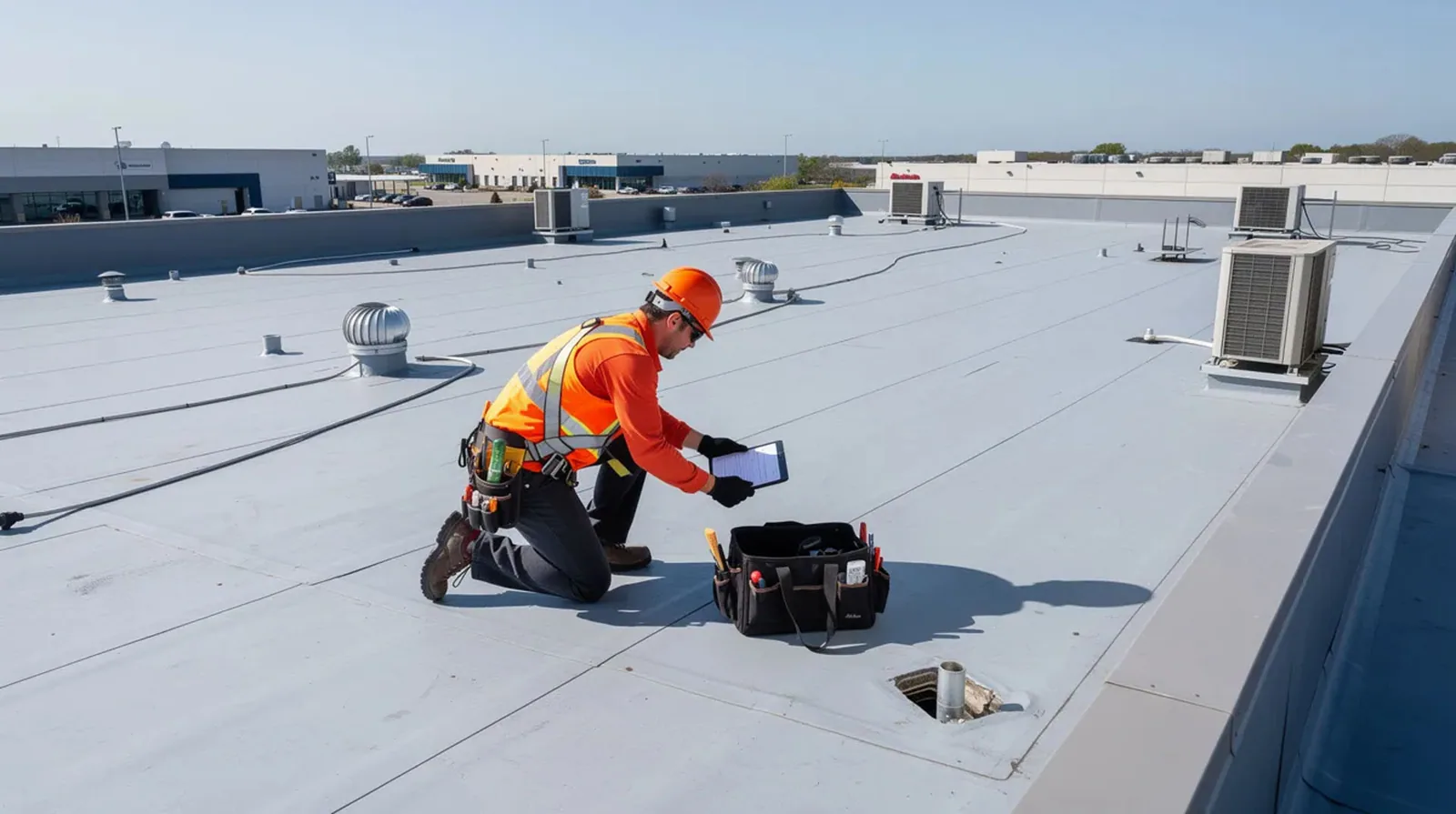
A portfolio list that says only “roof inspected” cannot tell a facility manager which seam was repaired or what remains exposed. We build a usable roof record around the building, the assembly, the observed condition, and the next decision. Each entry identifies roof zones, drainage points, edge details, equipment, prior repairs, and access limits. The format can be consistent across a portfolio, while each building retains its own photographs and repair boundary. In Elizabeth, warehousing, logistics, retail, small manufacturing, healthcare, and local services sit alongside older commercial corridors such as Midtown Elizabeth and Elizabethport. Those uses make work sequencing and roof access part of the asset record, not a footnote. A preventive maintenance visit can supply current observations for that record.
Build a Roof Register by Building
Start with one line for each property, then separate the roof into areas that can be inspected and repaired independently. Record the known system, approximate age only when the owner has documentation, drainage layout, penetrations, rooftop equipment, and recent work. Mark information as unknown when records do not establish it. A membrane type should come from a close inspection or reliable project documents, not from the building's appearance in an aerial image. We can create a condition report with dated photographs and a map of observed details. The asset register then points to that evidence rather than trying to summarize every field condition in one spreadsheet cell. This makes a warehouse roof, a small office, and a retail property comparable without pretending their construction or operating needs are identical.
A useful record also keeps working files attached to the right asset: roof plans, repair proposals, photographs, leak logs, and equipment work orders. Name each file by property and roof zone, then retain the date it was added. If an observation changes after testing or a repair, preserve the earlier entry and add the new result instead of silently replacing it. That sequence lets an owner see why the current priority changed and which approval is still needed.
Separate Condition from Priority
A roof with a visible defect is not automatically the highest-priority asset in the portfolio. We record the location, extent, active water, affected interior area, and the consequence of leaving the condition open. A split seam above a sensitive work area may need prompt protection; a stable surface mark may be scheduled for monitoring. The record should preserve that distinction and identify what evidence supports it. The owner can then compare immediate repairs with larger work without replacing a roof solely because it appears on a calendar. An inspection documents accessible conditions, while targeted testing can be proposed if moisture below the surface changes the decision. For each item, we state the next action, the person responsible for access or approval, and what would cause the scope to change.
Keep Elizabeth Building Context Specific
The North Avenue corridor carries port truck traffic beside retail, hotels, warehouses, and other commercial development. That context can affect delivery timing for roof work, but it does not reveal an individual property's route, system, or condition. We capture those items at the site. Elizabeth's older commercial areas include Midtown Elizabeth and Elizabethport, where the work record should name the building zone and access contact rather than rely on a neighborhood label. Regional precipitation around Newark Liberty helps frame drainage history; the roof's slopes and outlet condition show where water will collect on this building. At each asset, we inspect drain bowls, scuppers, overflow paths, and any recurring ponding before listing corrective work. A North Avenue roof review or a visit in Elizabethport still follows the property in front of us.
Carry Repairs into the Next Review
When a repair closes, update the roof zone, material used, photographs, and any area left outside the approved work. Keep temporary protection separate from the permanent correction. If another trade adds a pipe, support, or curb later, record the date and the affected area before that detail becomes a leak question. A repair scope should connect to the previous condition record so a later reviewer can see what changed. We can also list open recommendations with a due date or review trigger, such as recurring water, movement at an edge, or a planned equipment project. That history helps facilities staff distinguish a new defect from an older repair and makes repeat inspections more useful.
Compare Buildings Without Flattening Differences
A portfolio view helps an owner see where repair activity, unresolved conditions, or access requirements are accumulating. Use common labels for the record, then retain a separate file for each building's roof details. A warehouse near a loading corridor may need delivery coordination; an occupied office may need a protected interior work area. Those differences belong in the plan. We can group records by owner, property manager, or operating region and prepare a capital planning review around observed conditions and timing. For an investor with several buildings, a real estate portfolio roof review can organize the same evidence for transaction, operations, and budget discussions. The comparison remains useful when it shows which assumptions are documented and which still need a roof walk.
Set the Next Action Before Closing the File
Every asset entry should end with a next step: repair, further inspection, maintenance, access coordination, or a dated recheck. Include the party who needs to act and the information still missing. If the roof is inaccessible, record the limitation and arrange another safe path instead of marking the area complete. If an opening or wet layer requires work, identify the boundary that can be approved now and the condition that would require a change. A multi-building roof program can keep the record format aligned while preserving site-specific scope and closeout. When the file is current, the next manager can understand the roof decision without reconstructing it from scattered emails, photographs, and old work orders.
Commercial Roofing Questions
What belongs in a commercial roof asset record?
List the system when known, roof zones, drainage, penetrations, equipment, prior repairs, current photographs, and access restrictions. Separate observed conditions from estimates or assumptions. We can organize the findings by building so the owner can identify open work and the next review without treating a portfolio average as a roof diagnosis.
Can one condition scale cover different buildings?
A shared set of labels can make records easier to compare, provided each rating stays tied to evidence from that building. We note the roof area, defect, active water, operational impact, and next step behind the label. A warehouse, office, and retail roof remain separate assemblies with separate work boundaries.
How does a roof repair update the asset file?
The closeout adds the repaired zone, materials, photographs, work limits, and any deferred condition. If a trade changes equipment or penetrations afterward, the owner can add that activity to the same roof history. This lets the next inspection compare the current detail with the one actually repaired.
What if older roof records are incomplete?
We inspect accessible areas, label unknown system details, and list what would resolve the gap. A field review can document the visible assembly and identify areas needing testing. The record should not assign an installation date or concealed condition unless reliable documentation or additional investigation supports it.
Can Elizabeth portfolio records support capital budgeting?
Yes. Current condition, recurring repairs, access needs, and unresolved items give the owner a basis for comparing work timing across buildings. We keep site findings distinct, then group actions by urgency and operational window. A capital discussion can use that summary without assuming every roof needs the same scope.
Arrange a Commercial Roof Asset Review
Share the property list, available roof records, repair history, and access limits. We will inspect accessible areas and organize findings into clear building-level next steps.