Commercial Roof Capital Planning in Elizabeth, NJ
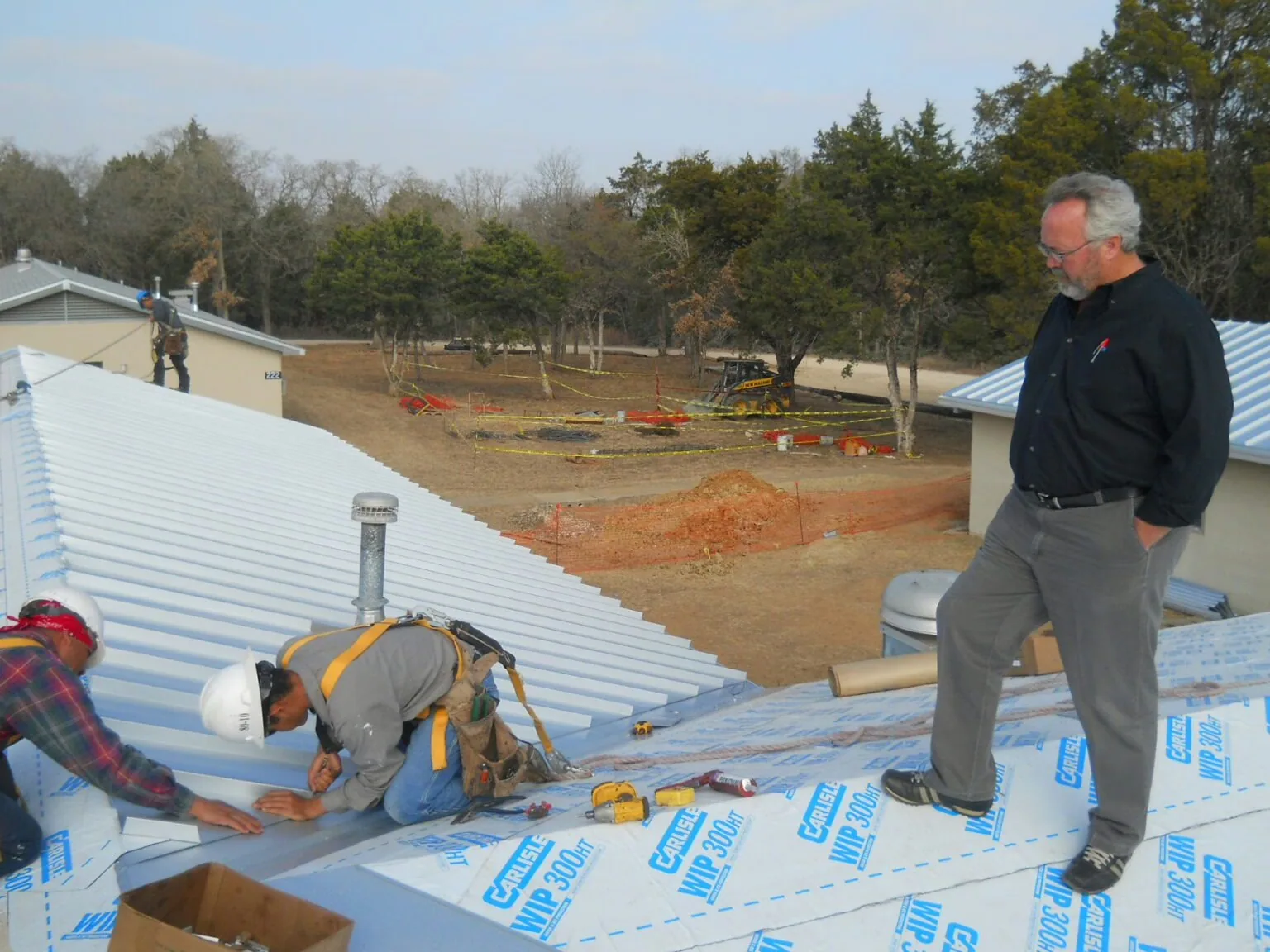
A capital request is easier to compare when it names the roof area, the condition, and the decision the work will resolve. We inspect the assembly, map active and developing concerns, and separate immediate protection from longer-range work. The resulting scope can compare repair, restoration, recover, and replacement without assigning the same solution to every building. Elizabeth combines warehousing, logistics, retail, small manufacturing, healthcare, and local services, with infrastructure needs noted in older corridors such as Midtown Elizabeth and Elizabethport. Those operating differences affect access and sequencing, while the roof walk sets the actual work boundary. A condition report gives the owner dated photographs and observations to carry into a budget discussion.
Rank Work by Roof Condition
Begin with open leaks, unsafe or loose material, wet insulation, failed seams, and details that expose an occupied area. Then list conditions that can be monitored or scheduled with other work. Each item should show the roof zone, extent, interior impact, access needed, and what evidence supports the recommendation. A single score can sort the list, but it should not replace the notes behind it. We can prepare a commercial roof inspection to distinguish a local defect from broad deterioration. When a concern sits above equipment or a protected work area, include the shutdown or coordination requirement alongside the roofing scope. This gives the owner a practical order of work rather than a condition label with no action attached.
Compare Repair, Restoration, and Replacement
A repair may fit when damage is limited and surrounding material can support a durable tie-in. Restoration or coating can be considered after checking adhesion, moisture, seam condition, and compatibility. Recover and replacement choices depend on the existing layers, attachment, deck, insulation, and the work needed to meet the intended assembly. We identify what can be confirmed visually and what would require a test opening before the owner makes a commitment. A targeted repair, a coating restoration, and a replacement scope should each state the included area and the condition left outside it. Removal depth, material selection, edge metal, drainage changes, and equipment moves are cost drivers, not interchangeable line items.
Schedule Around Elizabeth Operations
On North Avenue, port-bound truck movement shares a commercial route with lodging, retail, and warehouse properties. For a roof project, the facility contact still confirms the actual delivery path, loading limits, and lift location before we set a work window. In Midtown Elizabeth and Elizabethport, older commercial infrastructure can add access questions that should be resolved at the building rather than carried as an estimate assumption. A North Avenue roof visit or a Midtown Elizabeth assessment should identify work hours, tenant areas, and any equipment that cannot be interrupted. We sequence roof openings so an area can be restored or protected before the crew leaves. If drainage work is included, we state where the roof scope ends and any separate site connection begins.
Build a Phased Budget with Clear Triggers
Not every roof action belongs in the same fiscal period. Separate urgent repairs from planned restoration and replacement, then name the trigger that would move work earlier: recurring water, a changing seam, wet insulation, or another documented condition. The forecast should identify assumptions about deck, insulation, access, protection, and equipment coordination. If those assumptions change after a test opening, the owner receives a revised scope before the work expands. A roof asset register can keep priorities tied to individual buildings, while a maintenance visit can update conditions between capital cycles. The schedule should also reflect procurement and weather windows without promising a completion date before material and access are confirmed.
Set a review point for each deferred item, not simply a note that it remains open. The trigger might be another leak in the same zone, a new equipment installation, or a scheduled access window. We can compare an early repair with a later packaged project by showing what protection is needed in the meantime and which conditions could raise the scope. Keep allowances tied to named unknowns, such as concealed deck condition, instead of spreading an unexplained contingency across the whole roof. That gives the owner a clearer approval choice and a practical way to revise the plan when the field condition changes.
Compare the Buildings on One Basis
Portfolio planning works when each roof has its own map and observations, even if the owner uses the same cost categories across properties. A warehouse, retail building, and healthcare property can differ in access, interior exposure, operating hours, and equipment density. Keep the work area and repair boundary visible in each estimate, then group the projects by the decision they support. For a multi-building owner, a multi-site roof program can coordinate inspection and closeout formats. A real estate portfolio review can help connect condition evidence to acquisition, hold, or disposition timing. The North Avenue corridor has a broad mix of logistics and commercial use, but that does not establish the condition or occupancy of any one asset.
Carry Assumptions into Approval
Before approval, the scope should identify the roof zones, included details, access plan, protection measures, and conditions that could change the work. Photographs tie each recommendation to a visible location. If an area could not be reached or concealed layers remain unverified, list that limit and the next step needed to resolve it. A repair record should distinguish temporary protection from permanent correction and show the materials installed. If a future equipment project may affect the roof, note the curb or penetration interface before the detail is disturbed. The owner can then approve a defined package, defer an item with a review date, or request further testing. A clear decision record helps the next budget cycle start from current roof conditions instead of assumptions carried forward from an old estimate. The next review date should reflect the unresolved condition and the time needed to obtain access, testing, or materials.
Commercial Roofing Questions
How do you decide which roof project comes first?
We compare active water, exposed materials, affected space, the extent of deterioration, and the time needed to protect the building. Each recommendation names its roof zone and evidence. The owner can then distinguish immediate work from repairs that can be scheduled and conditions that can be watched.
Can a roof budget separate repair from replacement?
Yes. We define the repair boundary and compare it with broader options when the surrounding assembly or repeated defects make that useful. The estimate states assumptions about removal, deck, insulation, access, and equipment so a larger scope is not treated as a single unexplained amount.
What can change a capital estimate after roof work begins?
A test opening may reveal wet insulation, deck damage, or prior layers that were not visible from the surface. Access changes and equipment coordination can also affect sequence. We document the finding and provide the owner a revised scope before work proceeds beyond the approved boundary.
How does local access affect an Elizabeth roof project?
The North Avenue corridor serves port trucks and nearby commercial uses, so delivery and staging need confirmation at the specific property. Midtown Elizabeth and Elizabethport also have varied commercial buildings. We record the actual access route, work hours, and interior constraints during the site review.
When should a phased roof plan be revised?
Update it after a leak, a repair, a roof opening, or a change in equipment or access. New photographs and condition notes can change priority or timing. We keep each building's evidence separate, then update the portfolio sequence to reflect the roof conditions now observed.
Request a Roof Capital Planning Review
Share current roof records, budget timing, leak history, and operating constraints. We will inspect accessible areas and outline options with clear assumptions and work boundaries.