
Multi-Site Commercial Roofing Programs in Elizabeth, NJ
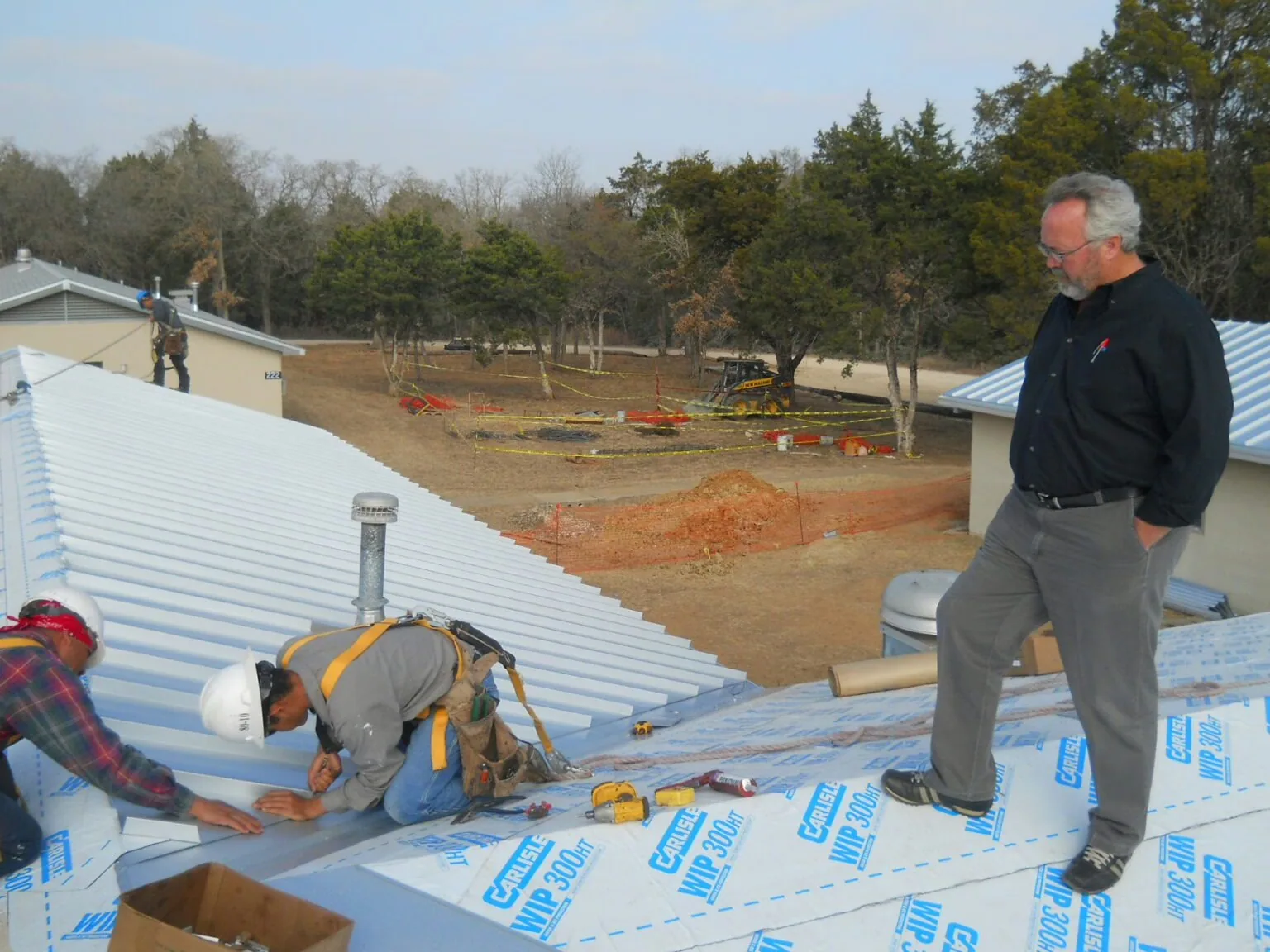
A facilities team with several roofs needs one way to see open work without pretending each building has the same assembly. We set a common record format, inspect each property, and keep findings, approvals, and closeout photographs tied to the correct asset. A roof program can coordinate access windows, recurring inspections, repair priorities, and reporting while leaving each project's material and work boundary specific. Elizabeth's commercial mix includes warehousing, logistics, retail, small manufacturing, healthcare, and local services. Along North Avenue, port truck traffic shares the corridor with warehouses, hotels, and retail, so some delivery plans need close site coordination. A roof asset register can help the owner track the program by building.
Set a Common Baseline Without Flattening Roofs
Use shared fields for system when known, roof area, drainage, equipment, access limits, observed condition, and next action. Keep the underlying photographs and notes separate for every property. A roof that has not been opened or tested should not receive a concealed-condition label based on another building's results. We can prepare a condition report at each site using consistent zone references, then retain the building-specific evidence. Warehouses may have different equipment density and loading patterns from a retail property or occupied office. The common format supports comparison, while the field record keeps those differences visible. If prior records are missing, list what is unknown and identify how an inspection or owner document could resolve it.
Agree on how a work item moves from observation to approval. One contact can route a leak call, while each property's decision-maker approves its own scope and access plan. We can identify who receives photographs, who confirms a shutdown, and who closes the work order after repair. If those roles differ by building, the program record should show the difference instead of assuming a single approval path. That reduces delays when an urgent condition appears during a planned inspection cycle and keeps the roof crew from arriving before the required access is available.
Coordinate Access and Work Windows
Roof entry, lift placement, tenant notices, equipment shutdowns, and material staging can determine when a crew can begin. We confirm each property's constraints with its site contact and group visits only when the access plans support that sequence. North Avenue serves port trucks alongside hotels, retail, and warehouse uses, so the site contact confirms each property’s loading route and delivery window. For a North Avenue roof visit, the facility team confirms the actual staging point. Properties in Elizabethport or Midtown Elizabeth need their own entry instructions and occupied-area plan. The schedule should reserve time to protect any opened roof zone before the crew leaves.
Sequence Repairs by Exposure and Operations
Program priorities should distinguish active leaks, open seams, loose edge metal, and conditions that can be watched. We map each concern to its roof zone and the space below it, then identify temporary protection, permanent repair, or follow-up testing. A repair visit can address a confirmed defect, while a maintenance visit can record drains, flashings, and equipment details before the next planning cycle. When several sites have work open, the owner can review which roofs need access first and which repairs can share a mobilization window. The sequence follows the observed condition and operating impact, not a generic ranking that assumes all buildings deteriorate at the same pace.
Connect Findings to Capital Timing
After immediate issues are defined, group larger work by roof condition, access, and planned building activity. A repair may protect a local zone while a future replacement is designed; a restoration option may need compatibility testing before it enters the budget. Each estimate should identify the included areas, removal assumptions, deck and insulation questions, and equipment interfaces. A capital planning review can compare those options across the portfolio while preserving a separate scope for each site. If an owner manages properties in different parts of Elizabeth, older infrastructure needs noted in Midtown Elizabeth and Elizabethport can make access coordination relevant, but cannot predict the roof condition. We document the building evidence before assigning timing or cost assumptions to that asset.
Keep Approvals and Closeout with Each Site
Each work order should show the roof zone, approved boundary, material, access plan, and the party responsible for related equipment or drainage work. Closeout photographs belong with that building's record, not only in a general project folder. If a concealed condition changes the scope, pause at the agreed decision point and provide the owner with the finding and a revised boundary. A follow-up inspection can confirm the corrected detail, while the record preserves what was outside the work. For a management group, a property management review can route approvals and tenant coordination. The program can report status in one view but should retain the documents that support each site's completion.
Review the Program at Each Cycle
At the next cycle, compare planned visits with completed inspections, repairs, and unresolved items. Update the roof zones when an addition, curb, or equipment change affects the plan. Keep weather-related visits distinct from routine maintenance and note where conditions were inaccessible. Program metrics are useful only when their underlying records remain clear; a closed work order should show the repair, while an item awaiting access stays open. A warranty file review can be scheduled for properties whose documents specify maintenance or alteration steps. The owner can then adjust future inspections and budget timing from current site records. If a roof needs a different survey or repair scope, the program makes room for that decision without forcing every building into one work package. The next cycle should begin with the last approved scope and any condition that remained open.
At the end of a cycle, summarize visits completed, repairs awaiting approval, items held for access, and upcoming checks. Each number should link back to a roof record with a date and location. A status report without those details cannot explain why one property remains open while another is complete. Retain the decision date so staff can distinguish a current deferral from an item that has not yet received review.
Commercial Roofing Questions
What does a multi-site roof program include?
We can coordinate inspections, repair scopes, access planning, maintenance records, and closeout across properties. Each building keeps its own photographs, condition notes, approvals, and work limits. The program gives the owner a shared view of status without treating separate roofs as a single assembly.
Can several Elizabeth buildings share one inspection schedule?
They can share a planning calendar when site access and operating windows allow it. We confirm entry, lift placement, tenant restrictions, and equipment needs with each contact. A shared date does not replace the building-level inspection or change its scope.
How are urgent leaks handled in a portfolio?
We record the affected roof zone, interior area, active water, and any protection needed. The owner can then prioritize that property while maintaining the scheduled work at other sites. Temporary protection and permanent repair remain separate entries in the record.
What if two buildings have different roof systems?
The program uses common labels for reporting but retains system-specific inspection and repair details. Materials, seam methods, and tie-ins follow the assembly at each building. We mark a system unknown until records or field review establish it.
How can a program help with capital approvals?
Current photographs, repair boundaries, access requirements, and open questions give the owner comparable information across properties. We organize proposed timing by observed condition while leaving each scope distinct. That helps explain why one roof needs work before another without assigning a generic priority to every site.
Plan a Multi-Site Roof Program
Share the property list, available roof records, operating windows, and open repair concerns. We will review the buildings and outline a coordinated schedule with site-specific scopes.