
Ponding Water Roof Repair in Elizabeth, NJ
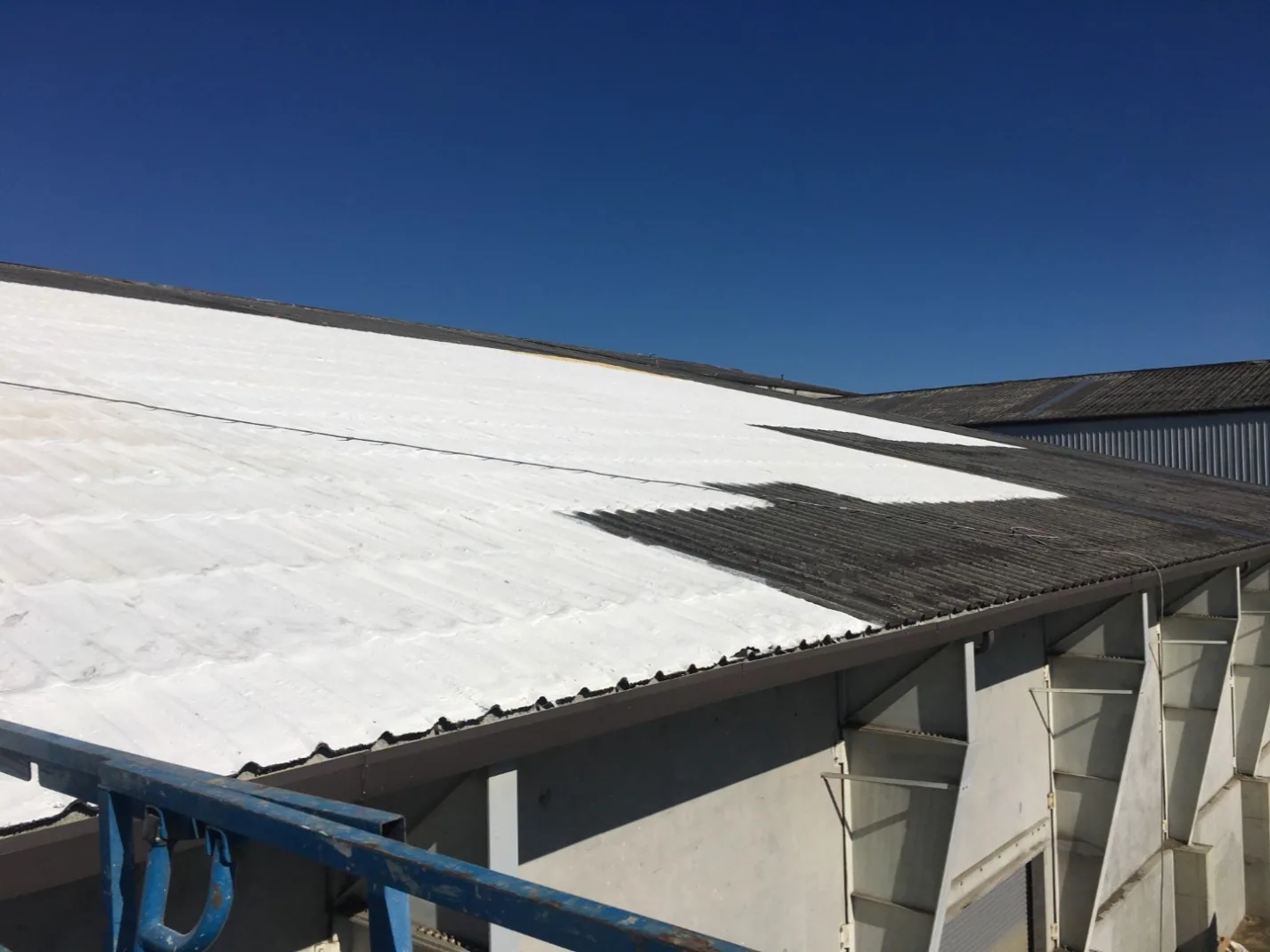
A low spot on a commercial roof can hold water after the rest of the surface dries. In Elizabeth, a warehouse or retail roof may have long membrane runs, equipment curbs, and drains that share a crowded field. We map the standing water, check the drain path, and look for changes in the membrane, insulation, or deck before recommending a correction. A rooftop basin is evaluated separately from street or site flooding; the repair decision follows the roof’s measured slope, outlet position, and observed water line. The review stays on the roof assembly and its discharge point. We document how long water remains, what surrounds the low area, and whether a blocked outlet, settlement, compressed insulation, or structural movement may be involved.
Trace the Drain Path
Water should move toward a drain, scupper, or gutter without crossing an unintended low point. We follow the surface from the high areas, note changes in slope, and inspect the outlet, basket, leader, and nearby flashing. Debris can be removed within the roofing scope, but a crushed leader or site connection may require a plumber or civil trade. We identify that handoff before work begins. A drain and scupper repair can restore an outlet detail where the surrounding assembly remains sound. If an opening or interior stain appears nearby, a commercial roof inspection can compare the visible roof condition with the reported room. The owner receives a map by zone rather than a broad recommendation to add drains without confirming where water can discharge.
Check the Membrane Around the Low Area
Standing water can expose a weak seam, wrinkle, patch edge, or coating defect that is not obvious on dry roof field. We inspect laps, terminations, penetrations, and transitions around the pond, then compare the surface with the neighboring areas. A membrane may tolerate brief wetting, but a deep or persistent basin can keep dirt against seams and make small openings harder to locate. The repair boundary should extend to material that accepts a sound tie-in, not stop at the visible water line. For a split lap, a seam failure repair can address the opening; if the water follows a roof puncture or damaged surface, membrane puncture repair can isolate that defect. The assembly determines the repair method, so we confirm membrane type before selecting materials.
Look for Settlement and Compression
When a low spot returns after the outlet is clear, the slope may have changed below the membrane. We check for compressed insulation, a depressed deck, displaced fasteners, or a transition that directs water away from the intended drain. A roof walk cannot establish concealed structure, so an opening is proposed only when it can answer a decision question, such as whether wet insulation extends beyond the visible basin. If the opening reveals a deeper condition, we photograph it and pause for the owner's approval before widening removal. Elizabeth’s commercial corridors include older infrastructure needs in Elizabethport and Midtown Elizabeth, but those district conditions do not establish the deck or roof age at a particular property. A TPO roof assembly and a metal retrofit can respond differently to movement; the scope should match the existing system rather than add material over an unresolved depression.
Compare Repairs with Slope Correction
A drain adjustment, localized membrane repair, tapered insulation, or broader replacement can each be appropriate under different conditions. We compare the basin's footprint, how long water remains, the condition of nearby seams, and whether the deck can support the proposed work. Adding a drain is not useful if there is no feasible discharge route or if the new opening creates a weak transition. Tapered insulation can redirect water when the substrate, edge heights, and drain location allow a continuous path. If moisture is widespread or attachment has failed, a larger roof scope may be more practical than repeated patches. We list removal depth, edge work, equipment access, and protection needs as schedule and cost drivers. The owner's file can include a roof condition report with photographs and the decision boundary for each option.
Plan Around Elizabeth's Working Properties
Roof access, material delivery, and lift placement should be agreed with the site contact. Along the North Avenue corridor, port truck traffic runs beside retail, hotels, warehouses, and other commercial uses; that regional mix does not determine how a specific property can stage roofing work. We confirm its driveway, loading hours, roof entry, and occupied areas before setting the sequence. At a warehouse or distribution building, wet zones may sit above inventory or active loading lanes. At a property near the Elizabeth Riverfront, the site contact can also identify protected routes and drainage connections that must remain clear. The crew can work in sections, maintain a daily dry-in point, and keep removed material away from drains. Weather changes may alter the sequence, so the owner receives an update before an open area remains exposed.
Confirm the Water No Longer Collects
After repair, we photograph the corrected drain, membrane tie-in, and surrounding slope. A follow-up look after rainfall can show whether water still remains and where it settles. Closeout identifies the areas completed, materials used, limits of the repair, and any deck or site-drainage item left for another trade. We do not describe a basin as resolved just because debris was cleared or a small area dried on a warm afternoon. A useful record compares the prior low point with the flow path after work and states any condition needing further observation. When roofing work changes a drainage connection or joins a redevelopment scope, the owner should confirm current municipal permit and stormwater requirements before construction begins. A roof scope should leave drains accessible and the next facilities reviewer able to distinguish roof performance from a downstream connection issue.
Commercial Roofing Questions
How long can water remain before it needs attention?
Duration matters, but depth, debris, membrane condition, and the roof's design also affect the decision. We record where the water remains and inspect nearby seams, drains, and transitions. If the basin returns after the outlet is clear, slope or substrate conditions may need a closer review.
Can adding another drain solve ponding?
An additional outlet helps only when water can reach it and discharge safely. We trace the roof and site drainage path, check edge heights and nearby penetrations, and identify any plumbing or civil connection outside the roofing scope. The proposal explains whether a drain, taper, or localized correction fits the conditions.
Will a roof coating remove a low spot?
A coating can renew a compatible surface, but it does not correct a depressed deck or create reliable slope by itself. We inspect the substrate and moisture conditions first. Where surface renewal is appropriate, the scope should still address drainage and keep coating away from outlets that need clear flow.
What if water returns after the repair?
We compare the post-rain condition with the recorded flow path and inspect the nearby tie-ins. A returning basin may point to a blocked outlet, settlement, or an uncorrected slope transition. The next step is defined from the location and roof assembly, with an opening considered only if it can resolve a concealed-condition question.
Which facility details change the sequence above an active work area?
Access, deliveries, noise limits, and the space below the wet roof zone shape the sequence. We confirm them with the property contact and divide work into areas that can be restored or protected each day. A concealed condition or sudden weather change is reviewed before the crew moves beyond the planned boundary.
Arrange a Ponding-Water Roof Review
Share where water remains, how long it stays, and any leak history or drain work. We will inspect the roof path and prepare a repair scope tied to the observed condition.