
Commercial Roof Membrane Puncture Repair in Elizabeth, NJ
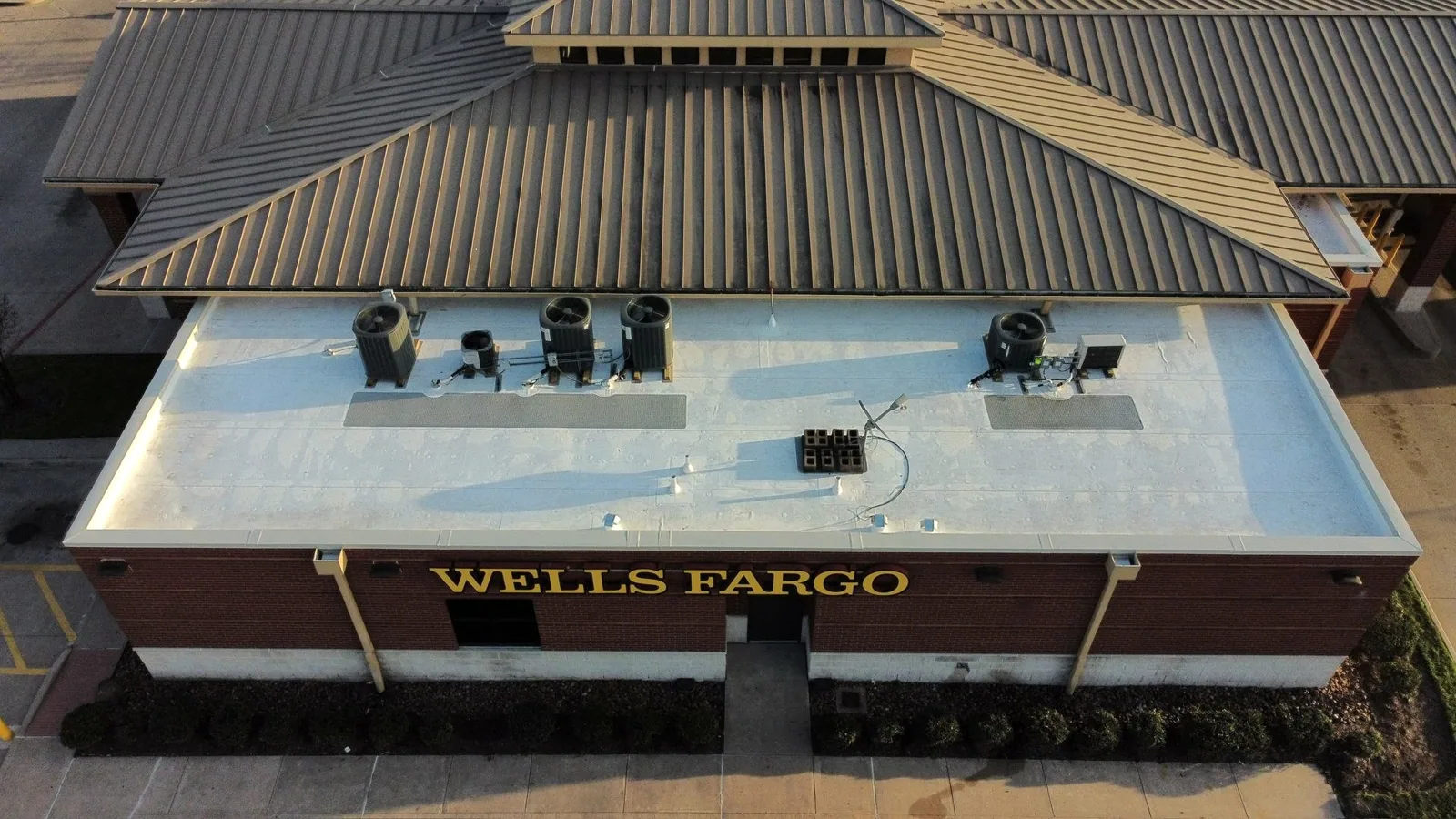
A dropped fastener, sharp tool, cart wheel, or exposed screw can leave a small hole in a commercial membrane. The opening may be difficult to see after a crew leaves, yet water can travel beneath the roof before reaching the room below. We inspect the puncture, surrounding surface, seams, and insulation before deciding how far a repair should extend. Elizabethport and North Elizabeth serve different commercial blocks, and a building's roof access cannot be inferred from the neighborhood name. The site contact helps arrange roof entry and identify equipment or foot-traffic routes. We photograph the hole, identify what caused it if visible, and separate the membrane correction from any damaged insulation or deck. That creates a useful scope for a property manager or facility team without assuming every nearby mark came from the same event.
Locate the Opening and Its Edges
A puncture may appear as a pinhole, cut, crushed area, pulled fastener, or tear that follows movement across the membrane. We look for abrasion around the opening, loose granules or coating, wrinkles, and any patch already covering the area. A new patch over a contaminated or wet surface can fail at its edge, so we prepare the material according to the roof system. The inspection also checks the likely path to the interior report and whether an adjacent seam or curb needs separate attention. A commercial roof inspection can map multiple punctures after roof access or equipment work. If the break crosses a lap, seam repair may be part of the scope, but a field puncture should still have its own location and repair record.
Identify the Activity Around the Roof
Foot traffic often concentrates around ladders, hatchways, HVAC units, solar equipment, and service paths. A puncture near a curb may follow a tool drop or a sharp edge; a run of small marks may call for a wider review of where technicians walk and store materials. We ask what work occurred, when roof access happened, and which trade controlled the equipment. That history helps locate areas to inspect, but the repair still follows visible conditions. If a contractor must return, we can identify a protected route and keep materials away from open seams and drains. For a metal roof or an older membrane, the surface and attachment differ; an EPDM assembly requires a repair compatible with its rubber membrane, while an TPO system uses a different seam and patch procedure.
Check What Lies Beneath the Membrane
A hole through the membrane does not establish how much insulation or deck is affected. We check for soft areas, surface discoloration, water at a seam, and interior reports that align with the opening. If concealed material matters to the repair choice, a selective opening can show whether the wet area is local or extends farther. The owner approves removal beyond the visible defect before the crew proceeds. We protect the exposed area while the finding is reviewed and photograph each layer removed. If deck damage or a broad wet area appears, the repair boundary may change and the owner receives a written explanation. A roof condition report can keep the puncture, interior area, photographs, and deferred work together by zone. This avoids treating an unseen layer as sound or assuming it must be replaced without inspection.
Use a Patch That Matches the Roof
The repair method depends on membrane type, surface finish, and whether the substrate accepts a lasting tie-in. A thermoplastic patch is prepared and welded to clean compatible material; EPDM needs a compatible patch system and properly prepared edges. Coated or granular surfaces may require a different preparation step. We remove loose or contaminated material, dry the repair area as conditions allow, and extend the patch to sound membrane with rounded corners where the system calls for them. The patch should not cover a termination, block a drain, or bridge a wrinkle that remains active. A flashing repair can address a separate opening at a curb, while moisture surveying may help map broader wet areas when the roof and conditions support that method. The proposal states what is included and what requires owner approval.
Protect the Occupied Area Below
Before repair, we confirm roof access, the space below, and whether inventory, production, or public routes need protection. Elizabeth's North Avenue corridor supports port truck traffic alongside warehouses, retail, and hotel properties; a delivery path on one site may differ from the next. We agree on lift placement, material staging, and the work window with the building contact. At a warehouse or manufacturing plant, the crew can avoid moving carts or tools across unrelated membrane areas and close the work zone before the shift changes. If a puncture is active during rain, temporary protection is recorded separately from the permanent patch. At properties in Midtown Elizabeth, local infrastructure needs do not establish the condition of any roof, so the review remains specific to the assembly and access available at the address. We keep the removal area small enough to protect at the end of the workday.
Keep the Repair Easy to Find
Closeout identifies the roof zone, the puncture, the membrane and patch material, and any work beyond the surface repair. Photographs should show the finished patch in context and close enough to review its bond or weld. If the cause involved equipment service or a delivery route, the property team can use the record to update roof-access instructions. A patch does not establish that an adjacent wet area has dried, so any follow-up inspection is listed separately. For buildings near the Elizabeth Riverfront, roof drainage and site water paths can be different systems; we identify an outlet issue for separate coordination rather than fold it into a membrane patch. The owner can compare a new stain with the recorded location and decide whether another roof zone needs inspection. A defined work boundary makes future maintenance clearer and prevents a small repair from being mistaken for a full roof renewal.
Commercial Roofing Questions
Can a small puncture cause a leak far away?
Yes. Water may travel along insulation, deck flutes, or framing before reaching a room. We compare the interior report with the roof opening and inspect nearby seams and transitions. If the route remains unclear, the next inspection step is identified before additional material is removed.
Does a repair depend on the membrane type?
It does. TPO and PVC seams are commonly welded, while EPDM uses compatible adhesive or tape methods. Coatings and modified bitumen have their own preparation requirements. We identify the installed system and select materials that can tie into the existing surface.
What if a puncture happened during equipment service?
We inspect the travel path, curb area, and the surface where tools or parts were handled. The site can set a protected access route before the trade returns. We document roof repair separately from equipment work and identify any additional detail that needs an owner-approved scope.
Can you patch over a wet area?
The surface needs preparation that the repair material can accept. If moisture is below the membrane, a patch will not dry or replace wet insulation. We discuss a selective opening when it can answer whether the condition is limited or extends beyond the puncture.
What should the closeout include?
Keep the location, patch material, photographs, and any concealed condition or follow-up with the repair record. If roof access caused the damage, update the access path or equipment-service instructions. A later reviewer can then distinguish the completed patch from areas that were not included.
Arrange a Membrane Puncture Review
Share the suspected roof zone, recent roof access or equipment work, leak location, and building access limits. We will inspect the membrane and define a compatible repair scope.