
Commercial Roofing in Elizabeth Riverfront, Elizabeth, NJ
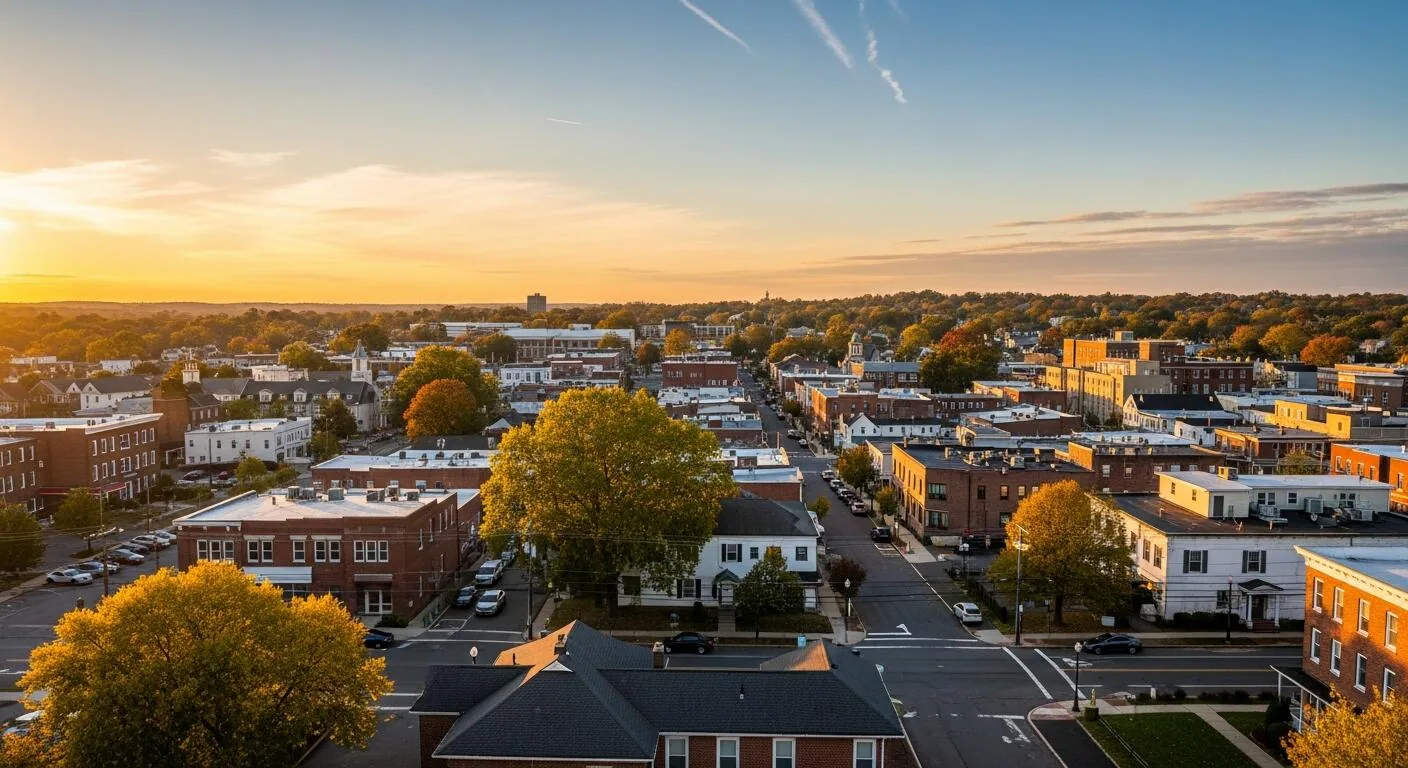
A roof drain beside a parapet can hide a slow path beneath the membrane. Elizabeth Riverfront is a broad Elizabeth service area, and local work still begins with the assembly and outlet on the specific building. Across Elizabeth, flood and storm-surge concerns include low-lying ground along the Elizabeth River. That context makes drainage and discharge worth a close look, while the property’s elevations and outlets determine what work is needed. Our commercial roof inspection records the field, seams, curbs, perimeter, and outlets. From there, we can define a repair boundary or compare a larger scope for Elizabeth Riverfront, Elizabeth, NJ.
Read the Drain Before the Membrane
A low spot after rain can point to a slope issue, a blocked strainer, or a detail that has settled. We check the drain bowl, sump, nearby seams, and the roof area feeding that outlet. A scupper receives the same attention at its metal transition and wall flashing. Water marks may remain after the path has cleared, so we compare the surface with interior reports and recent weather. If a line is obstructed below the roof, surface work alone will not correct the cause. We document what can be seen and define where another trade or a closer opening may be needed.
On an occupied commercial property, access to the roof drain matters as much as its condition. We confirm where staff can reach the outlet, whether equipment blocks the route, and what can be protected below during inspection. Photos show the bowl, surrounding field, and wall or curb transitions together. That context helps distinguish a local repair from a drainage plan that touches several connected details. A marked roof plan gives the owner a repeatable reference for the next walk.
Follow Water Beyond the River Edge
A stain under a roof does not always sit below the point of entry. Moisture can run along a deck flute, travel through insulation, or follow a seam before it reaches the room below. We trace the likely path from the interior mark toward drains, penetrations, and perimeter transitions, then compare that route with visible conditions. Flood and storm-surge considerations along the Elizabeth River make discharge and overflow worth checking across Elizabeth. A building near that corridor still needs its own review of roof elevation, outlets, and water route before we recommend work.
We photograph the suspected entry point, any interior protection, and the roof detail that needs attention. If water is active, our roof drains and scuppers work can address a failed outlet or flashing transition after the condition is confirmed. A temporary measure may protect the interior while a permanent repair is prepared. We keep those steps distinct in the scope so the owner knows what is urgent and which follow-up work remains.
Set Access Around Each Building
A route through Elizabeth Riverfront still ends at one property’s entrance, hatch, or lift location. A district boundary does not establish a delivery route or staging point at the actual site. Before mobilization, we review the property entrance, roof hatch or lift location, pedestrian paths, loading access, and the path for removed material. If the roof is reached through a shared service area, the work boundary should preserve a safe route for tenants and other trades. A defined sequence also helps protect the roof when equipment must cross a finished surface.
We check overhead clearance and the surface supporting any lift or material load. A delivery window can matter as much as the roofing operation when a property has active receiving or customer access. The project lead records constraints before proposing a crew schedule and identifies the areas that may need temporary covering during an opening. A nearby road name alone cannot answer these questions. The site walk establishes how the work can proceed without treating the entire district as one operating property.
Choose a Repair Boundary
A limited defect can be repaired when the surrounding membrane remains attached and the tie-in can reach sound material. We remove loose or wet components as required, prepare the surface, and make the lap, flashing, or curb detail continuous. The proposal states the work area and notes any adjacent condition that remains. If repeated leaks or widespread moisture appear, a small patch may only defer a larger decision. We explain why a roof repair is suitable or where a broader replacement should be considered instead of leaving the owner to infer the difference.
Recover work depends on a dry, stable assembly and a compatible attachment method. When those conditions are not present, tear-off and replacement may provide a clearer path to correct substrate, insulation, and perimeter details. Cost and duration reflect roof area, demolition depth, disposal, equipment access, interior protection, and the time needed to keep exposed areas secure. A roof replacement scope should identify those assumptions, including what would change if concealed damage appears after removal.
Match the Membrane to the Detail
Material selection follows the existing assembly, the condition of the substrate, and the transitions a new roof must make. A TPO membrane or PVC roofing system may be evaluated when the roof design and attachment conditions support that approach. The field material is only part of the decision: wall terminations, drain bowls, penetrations, cover board, and perimeter metal must work as a connected system. We identify those details before comparing a recover with replacement, and we do not assume that a coating can correct wet insulation or a failed drain.
New Jersey uses the 2024 state edition of the International Building Code as its building subcode; we verify permit timing and transition rules before settling the roof assembly. We note the code question in planning where it changes assembly, insulation, or fire requirements, then coordinate the roofing detail with the permit scope. A product choice should serve the building and its maintenance plan, not simply mirror what is already on the roof.
Arrange the Next Roof Review
We coordinate roof reviews across Downtown Elizabeth and The Point, Elizabeth, with the building team. The same sequence applies across the riverfront: identify the assembly, map the outlet path, record access, and define the work boundary. If water entry is active, our emergency roof response operates around the clock, including holidays, to limit further exposure and document conditions. Permanent work follows after the surface and surrounding details can be inspected safely. We note what remains temporary and what repair will close the roof system.
Arrange a visit and share the building use, roof access limits, leak location, and prior repair history. If the outlet is slow or water is moving toward the interior, include that detail when scheduling. We can walk the roof with your property contact, photograph the conditions, and prepare a scope tied to what is visible. The resulting proposal separates immediate protection from permanent repair, recover, or replacement work so you can decide with the roof evidence in front of you.
Commercial Roofing Questions
Does a riverfront location automatically mean a roof needs replacement?
No. The location makes drainage and discharge worth careful attention, but the roof assembly and outlets decide the scope. We inspect the membrane, drain path, substrate where accessible, and the details around any reported leak.
What will you check around a slow roof drain?
We inspect the strainer, bowl, sump, slope, nearby seams, and discharge transition. If the line below the roof appears obstructed, we identify that limit instead of treating surface work as a complete correction.
Can you work while the building remains occupied?
Yes. We plan the work zone, interior protection, access path, and temporary weather covering with the property contact. The sequence depends on the roof and which areas need to remain open during the job.
When can a damaged area be repaired instead of replaced?
A repair fits when the surrounding membrane is sound and a tie-in can reach stable material. Widespread moisture, failing attachment, or repeated leaks may justify comparing a larger scope.
What should I share before requesting an inspection?
Tell us the building use, known leak areas, roof access limits, and prior repair history. Mention any slow outlet or recurring ponding so the first walk can focus on the drainage path as well as the membrane.
Schedule a Roof Review in Elizabeth Riverfront
Share the property type, access limits, and leak or repair history. We will trace the roof conditions and outline the work that fits.