Wind Damage Roof Repair in Elizabeth, NJ
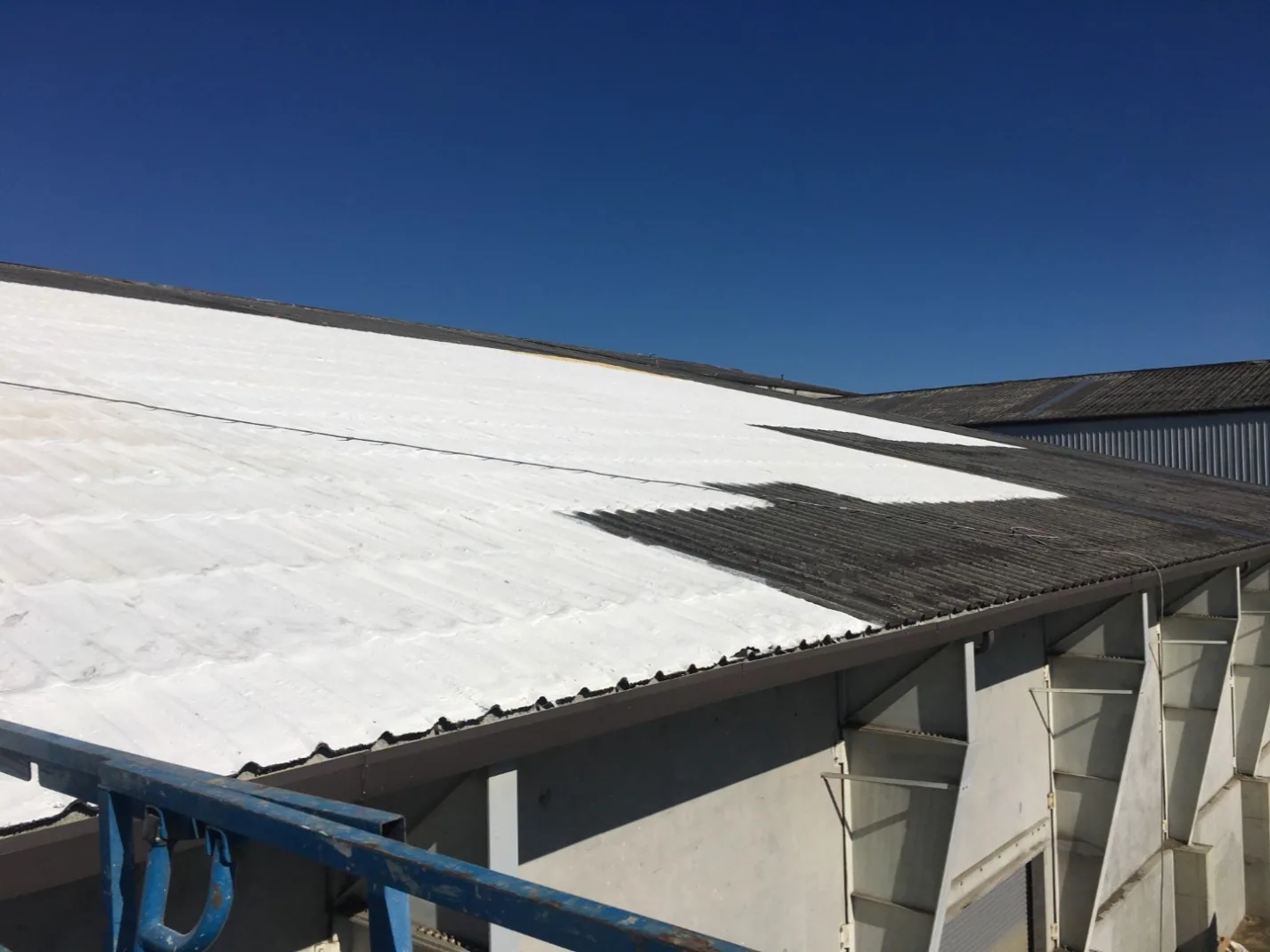
After strong wind, a warehouse roof can look intact from the loading yard while edge metal or a flashing corner has lifted out of sight. We inspect the roof field, perimeter, curbs, seams, and drainage before setting a repair boundary. Elizabeth's North Avenue corridor carries port truck traffic beside warehouse, hotel, and retail uses, so access and staging need confirmation at the property rather than assumption from a map. A roof review can start with the weather date, the first interior sign, and any area where loose material was found. We photograph the condition, separate visible damage from older wear, and identify what needs temporary protection before permanent work is priced.
Inspect the Perimeter Before the Field
Wind reaches the roof edge, corners, parapet caps, and equipment curbs differently from the middle of a membrane field. We check for lifted metal, open termination bars, split sealant, loose fasteners, displaced coping, and seams that no longer lie flat. A small opening at an edge can admit water beneath a larger area, while a missing cover may expose insulation or deck. Photos should show the whole roof zone and a close view of the detail, with a scale or nearby feature that helps the owner identify its location. The result is a repair scope tied to what is visible, not a broad allowance for every surface. Where the assembly is unfamiliar, an inspection of the commercial roof can identify the membrane or metal system before material is selected.
Trace Water to the Roof Detail
A ceiling mark is a starting point, not a map of the roof opening. Water can travel along a deck flute, insulation joint, conduit, or framing member before it reaches a room. We compare the interior report with the roof area above it, then examine laps, wall transitions, drains, scuppers, penetrations, and equipment supports along the likely path. If a storm created several openings, each area is recorded separately so a repair at one curb does not stand in for a second problem at the edge. An inspection of failed flashing can isolate a loose counterflashing or curb transition, while a split-seam repair addresses an opening in the membrane field. The chosen correction should connect to sound material and leave a clean tie-in that can be reviewed at closeout.
Separate Regional Risk from Building Evidence
Elizabeth falls within a region where severe thunderstorms can bring damaging winds, large hail, tornadoes, and flash flooding. That hazard picture helps set a prompt inspection after a reported event, but it does not show what happened at one property. We document displaced metal, punctures, open laps, and water entry where those conditions are actually present. Low-lying areas near the Elizabeth River also face flood and storm-surge risk; roof drainage and site drainage are related observations but different work boundaries. We check drains and scuppers on the roof, then identify any discharge connection that calls for another trade. At properties near Elizabethport and Midtown Elizabeth, delivery and lift access should be discussed with the site contact. A commercial roof review along North Avenue still depends on the building's actual roof details and access limits.
Protect the Open Area First
If wind has opened a seam or moved metal, the first decision is how to keep water out while the permanent scope is prepared. We identify the affected zone, the weather exposure, and whether a temporary cover can be secured without trapping moisture or loading a weak area. A temporary measure is documented separately from a lasting repair, including what it covers and what remains exposed. For active water, an emergency roof response can address the opening when conditions permit. We plan removal in an area that can be restored or protected before the crew leaves. If insulation is wet or deck has moved, the owner receives photographs and a change scope before the work boundary expands. This step matters in an occupied warehouse where inventory, conveyors, or shipping lanes may remain in use below the repair.
Tie the Repair into Sound Material
A lasting correction depends on the roof system, the condition of the material around the opening, and the way water moves across that zone. On a single-ply roof, a patch must be compatible with the membrane and welded or adhered using the system's proper method. Metal work may require new fasteners, closure pieces, or a shaped replacement at the edge rather than sealant over a loose panel. We check the substrate and attachment before closing the detail. If several zones show damage, the owner can compare local repairs with a broader restoration or replacement scope. A standing-seam metal system needs panel and clip details considered together, while a warehouse roof scope may also account for rooftop equipment, long drainage paths, and loading operations. Cost and timing depend on access, material lead time, removal depth, concealed conditions, and the area that must remain open.
Record the Boundary and Follow-Up
Closeout should show the roof zone repaired, the detail that was changed, the materials installed, and any condition held for later work. We provide photographs that connect the finished tie-in to the original opening and identify areas that could not be reached. If a trade must reset equipment or repair site drainage, the work boundary is stated so the owner knows where that coordination begins. A roof condition report can preserve the inspection and repair record by zone for the next facilities review. Keep weather notices and interior reports with the building file, but use roof photographs and observed conditions to make the repair decision. Near Elizabeth's Elizabethport and Midtown commercial corridors, staging and occupied-building limits can affect the sequence; the site contact should confirm those items before mobilization. A defined record helps the next inspection distinguish the repaired detail from adjacent areas that were not part of this scope.
Commercial Roofing Questions
What should we do after wind lifts edge metal?
Keep people away from loose material and report active water or exposed insulation. We can inspect the perimeter and adjacent field, photograph the affected detail, and separate temporary protection from the permanent repair. Do not pull or fasten metal from the ground without a safe roof assessment.
Can a ceiling stain show where wind opened the roof?
Not by itself. Water can move across insulation or deck before appearing indoors. We compare the room report with seams, curbs, wall transitions, and drains above it, then record the roof zone where an opening is visible. If no entry point is found, the next inspection step is identified before the scope grows.
When is a patch enough for wind damage?
A patch can work when the material around the opening remains sound and the repair can tie into the existing assembly. Lifted perimeter metal, widespread seam separation, or wet insulation may require a wider correction. We show the observed condition and repair boundary so the owner can compare the options.
How do you keep a warehouse running during the repair?
We confirm roof entry, lift placement, delivery times, and the interior area below the work. The crew can sequence smaller zones and set a daily protection point around shipping activity. The site contact identifies routes that must stay clear, and any concealed condition is reviewed before removal continues.
What belongs in the wind-repair record?
The record should identify the roof zone, visible opening, photographs, materials used, temporary measures, and conditions outside the scope. It should also state any area that was inaccessible and the follow-up needed. That lets facilities staff compare a later leak with the detail that was actually repaired.
Arrange a Wind-Damage Roof Review
Share the reported weather date, leak location, roof records, and access limits. We will inspect accessible details and prepare a repair scope with a clear work boundary.