Emergency Commercial Roof Repair in Elizabeth, NJ
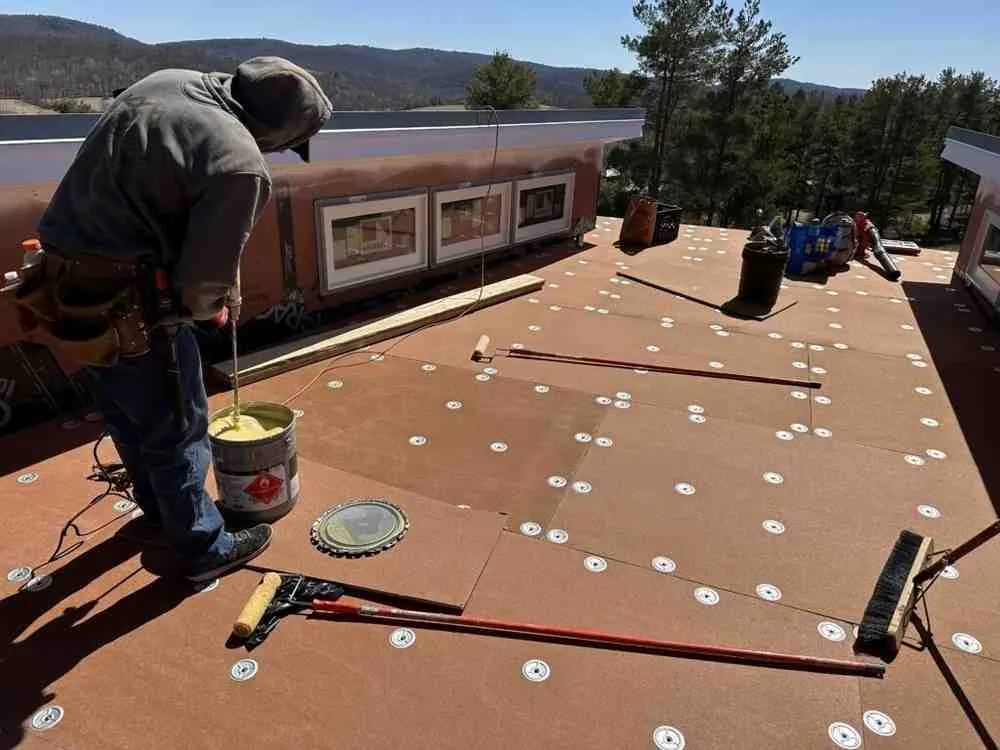
Active water changes the order of work. We first help protect people, equipment, inventory, and the interior, then reach the roof when conditions allow. Commercial Roofers Elizabeth responds around the clock, including nights, weekends, and holidays, for active leaks and storm damage. The first visit may involve a temporary dry-in, removal of loose material, or another safe measure to limit water entry. A permanent repair follows once the roof is accessible and the failed detail can be rebuilt.
Tell us where water appeared, what the building is doing now, and how crews can reach the roof. A distribution building near the North Avenue corridor may need a clear loading route; a retail or hotel property may need customer access kept open. We coordinate the response with the property contact and explain which protection is temporary. The roof condition, weather, and site safety determine what can happen first.
Make the Interior Safe
Keep occupants away from sagging ceiling materials, falling debris, and electrical hazards. Move stock or equipment only where it is safe to do so. Place a container beneath a drip if the area is stable, and note when the water started and whether it changes with rain.
We ask for the property address, roof access instructions, contact on site, affected rooms, and known equipment restrictions. If a roof hatch, ladder, escort, or after-hours entry is required, tell us before arrival. A leak repair visit starts with tracing the entry point, not sealing the stain below it.
Reach the Roof and Limit Water Entry
Once access is safe, we inspect the area above the leak and nearby details that could feed it. Wind can lift metal, break a seam, or drive rain under a termination. A puncture, failed curb flashing, blocked drain, or loose edge can also let water through. We look for the opening and the path water may have taken, then choose a temporary measure that fits the roof material and current conditions.
Temporary protection may be a secured cover, a localized patch, or a controlled dry-in. The method depends on wind, rain, roof slope, material, and safe access. We protect drains and avoid directing runoff into another part of the building. A temporary measure has limits; we record where it was applied and what permanent work remains. If weather prevents a safe repair, we explain the next workable step rather than making an unsafe promise.
Regional severe weather can include damaging thunderstorm winds, hail, tornadoes, and flash flooding. That context does not establish what happened to an individual roof. We document visible conditions at the property, including loose edge metal, punctures, displaced accessories, and drainage issues. For a roof near Elizabeth Riverfront, we pay attention to the actual drainage and discharge route without treating area flood exposure as proof of roof damage.
Return for a Permanent Repair
After the immediate risk is controlled, we identify the materials and conditions needed for a durable repair. The roof may be TPO, PVC, EPDM, modified bitumen, built-up, metal, or a coating system. We prepare the surface, remove failed material, and connect the repair to sound substrate. A seam may need a new weld or adhesive lap; an edge may need refastening and new flashing; a curb leak may require rebuilding the corners.
If moisture testing or a test cut finds wet insulation or damaged deck, we show the owner the exposed condition and define the additional work. The emergency visit does not authorize an open-ended scope. We explain what needs to be corrected, where the repair stops, and whether the roof needs a larger survey. For recurring leaks in Elizabethport or Midtown Elizabeth, a broader inspection may reveal connected details that should be addressed together.
We check the repaired lap, flashing, termination, and drainage path before closing the job. Photos and notes capture the temporary work and the permanent correction. That record helps the property manager distinguish the emergency response from later maintenance or replacement planning. If another symptom appears, we can compare its location and timing with the first repair rather than start without context.
Coordinate an After-Hours Work Window
Emergency work can occur outside normal business hours, but the building still needs a safe handoff. We coordinate access badges or keys provided by the property, escort requirements, alarm procedures, and interior protection. For a warehouse, loading activity may continue through the night. For a hotel, occupied rooms require quiet routing and attention to guest circulation. We keep the work area defined and report any change in access or equipment status to the designated contact.
The North Avenue corridor carries port truck traffic as well as access to commercial and retail properties. A response there may require a delivery or staging plan that keeps site circulation available. We confirm where the service vehicle can wait and how the crew will move materials to the roof. For Elizabethport buildings, the same check applies to the actual entrance, loading point, and roof access. We do not assume that nearby streets or business uses create one standard route.
When daylight or safer weather allows, we can complete a closer inspection and replace temporary protection with a permanent detail. The return scope may include a documented roof inspection or drain repair if those areas are related to the leak. We confirm the work window with the property contact so operations know what will be affected.
Understand Temporary Protection and Next Steps
A dry-in limits exposure; it does not restore every part of the roof. The closeout identifies the protected area, visible failure, and permanent repair still required. If the roof surface remains wet, frozen, or unsafe, a return visit may be necessary. We explain when the temporary measure should be checked and what building staff should watch for inside.
The next decision depends on whether the damage is isolated or part of a larger failure. One puncture on an otherwise sound roof may need a focused repair. Repeated leaks, widespread wet insulation, loose attachment, or damaged deck may call for a broader scope. We compare repair, restoration, recover, or replacement based on what the inspection confirms, not just the urgency of the first call.
Keep a record of the event, interior impact, response time, photos, and completed work. If the property plans an insurance claim, we can provide factual roof documentation and repair records without promising a coverage decision. A claim documentation package can organize roof findings and scope details for the owner’s file.
Commercial Roofing Questions
Do you respond to commercial roof emergencies at night?
Yes. Our emergency response operates around the clock, including nights, weekends, and holidays. We first confirm the building location, access, safety conditions, and active water entry. The initial work may be temporary protection, followed by a permanent repair when the roof can be safely prepared.
What should staff do before the crew arrives?
Keep people clear of sagging ceilings, falling debris, and electrical hazards. Move vulnerable contents only if the route is safe. Provide the roof access instructions and identify a site contact. Do not climb onto a wet or damaged roof. A clear description of the interior location and timing will help direct the first inspection.
Can you confirm the roof will be dry after the first visit?
We cannot promise that before the opening and conditions are understood. We work to limit water entry, secure temporary protection where appropriate, and explain the permanent work that remains. Heavy weather or unsafe access may restrict what can be completed immediately. We document those limits and the return plan.
Will you help with storm damage documentation?
We can record visible roof conditions, temporary protection, repairs, and photos for the property file. If you are preparing an insurance claim, we can organize factual scope documentation. Coverage and claim decisions belong to the insurer, so our record focuses on the roof work and conditions observed.
What if the leak is still active after temporary protection?
Contact us with the affected area and any change in water flow. We will reassess the protected detail and nearby paths. Water can travel inside the assembly or enter through a second opening. If conditions are safe, we inspect the additional area and adjust the temporary measure before scheduling permanent repairs.
Get Emergency Roof Help
Call with the building location, active leak area, and access details. We will coordinate a safe response and explain what temporary protection or repair can be completed first.