Holcim Elevate Commercial Roofing in Elizabeth, NJ
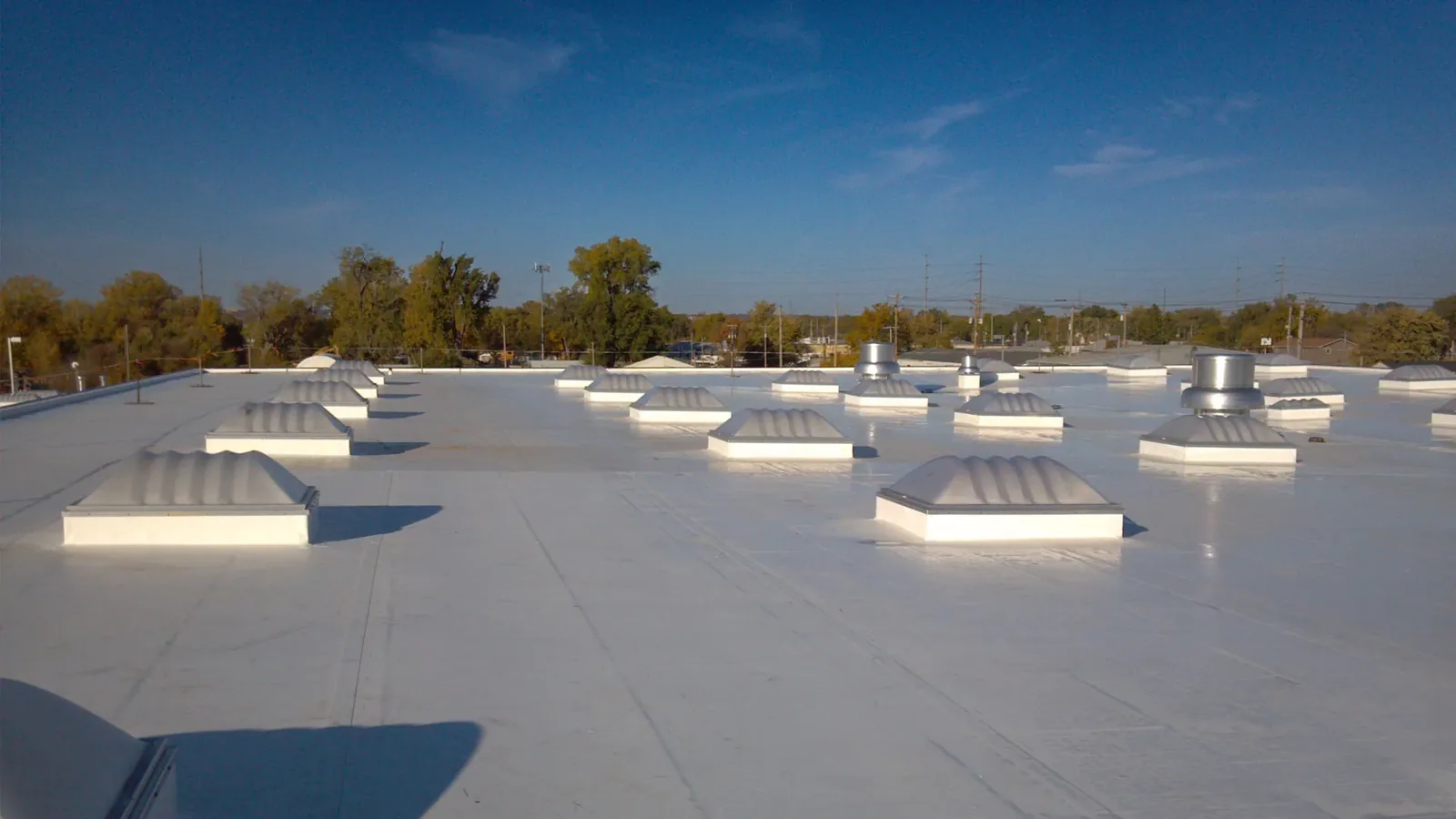
A loose termination beside a rooftop curb can change the repair plan even when the membrane field looks intact. Holcim Elevate makes commercial roofing systems that include EPDM, TPO, PVC, and modified bitumen. We identify the installed assembly before discussing a patch, recover, or replacement, then trace the issue to its edge, seam, flashing, and drainage details. In Elizabeth, warehouse and retail properties may keep receiving deliveries during roof work. Access, material staging, and the repair boundary belong in the roof review from the start.
Separate the Membrane Families
EPDM, TPO, PVC, and modified bitumen each rely on different installation and repair methods. EPDM seams use compatible seam materials, while TPO and PVC seams are heat welded. Modified bitumen is an asphaltic multi-ply system with its own laps and surface details. We inspect markings, seams, flashings, and repairs, and compare those observations with the building records. A membrane name alone does not establish the insulation, attachment, or deck beneath it.
That distinction matters when a roof has received several repairs or a coating. We record where materials change and whether the planned work can tie into sound existing construction. If records are incomplete, a limited opening may confirm concealed layers before the owner chooses a larger scope. The EPDM roof assembly and a PVC membrane system need their own compatible details; a general patch specification is not enough.
Read the Edge and Penetration Details
We walk parapets, coping, curbs, equipment supports, skylights, and wall transitions because water often enters where the roof changes plane or material. A lifted termination can expose the edge of the assembly. A failed seal at a curb may direct water into insulation before an interior stain appears. We photograph the defect, note adjacent conditions, and mark the proposed repair limit so that the scope addresses the tie-in rather than only the visible opening.
For thermoplastic systems, seam preparation and welding conditions matter. EPDM work depends on clean surfaces and compatible primers, tapes, or flashing pieces. Modified bitumen details call for the specified plies and surface treatment. We avoid crossing product families without a deliberate transition. The owner can compare a flashing repair with a larger commercial roof repair once the surrounding membrane and substrate have been inspected.
Account for Elizabeth Work Conditions
New Jersey DOT describes North Avenue as carrying port truck traffic alongside retail, hotels, warehouses, and other commercial development. Those uses call for practical staging: where a lift can stand, how materials reach the roof, and which loading doors need to stay clear. We coordinate the delivery path and roof access with the building representative, then divide the work area when an occupied interior or active loading schedule makes that useful. North Avenue corridor roof work starts with the actual property and its operating constraints.
The roof itself still sets the technical sequence. We note equipment that must remain in service, openings that require temporary protection, and trades whose work could affect the membrane. If a zone must remain accessible, the scope can identify a protected route and the order of work. For a building in Elizabethport or Midtown Elizabeth, equipment access, loading activity, and drainage each need a property-specific look. We check the roof assembly and outlet path before sequencing work with other trades.
Follow Drainage Through the Assembly
A clear roof outlet, a functioning overflow, and an open downspout each play a different part in moving water. We inspect drains and scuppers, check the roof surface for low areas, and record where water remains after ordinary drainage. If ponding follows a storm, the observation can help locate the affected zone, but it does not by itself identify the cause. Insulation, deck deflection, debris, and outlet condition may all warrant a closer look. The drain and scupper scope separates roof repairs from plumbing or site work.
At a low-lying property, the roof outlet and site-discharge connection require separate checks. We inspect drains, overflows, and low areas on the roof, then record where water leaves the building and identify any visible condition that needs another trade. A photo condition report can preserve those observations for the next maintenance visit.
Compare the Scope Before Work Opens
A limited seam or flashing defect with sound nearby material may support a targeted repair. Widespread seam movement, saturated insulation, weak attachment, or failing perimeter work can point toward a broader solution. We describe the observed area, identify what remains concealed, and list any testing that could change the recommendation. Removal depth, insulation replacement, equipment relocation, disposal, and protection of occupied rooms influence price and timing. Owners can compare a recover scope with replacement when existing layers are dry and stable enough to remain.
Coating is another option only when the surface and details suit the selected system. It will not restore wet insulation, a damaged deck, or a loose edge. A replacement scope should name the assembly layers, perimeter work, flashing, drain details, and access sequence rather than relying on a product label alone. We set the work boundary around the actual roof condition and keep open assumptions visible before the owner approves the work.
We also note how a repair will meet existing metal, masonry, and equipment supports. A detail that looks small on a plan can require additional preparation once the crew exposes the edge. That condition belongs in the scope before it changes the sequence.
Keep System Records with the Roof Plan
At closeout, we record the material installed when documentation is available, the repaired zones, photographs, and any condition that remains open. Keep those notes with the building roof plan and maintenance records. Later HVAC, solar, or electrical work can alter penetrations, so future inspections need a clear record of the original tie-in. Warranty terms depend on the governing document and project conditions; the file should preserve the applicable requirements without suggesting that every system carries the same coverage.
When an owner compares product families, Sika Sarnafil PVC systems and Versico roof options require separate specifications. We review each assembly according to its approved details and the building condition. For urgent water entry, our emergency roof response is available around the clock, with safe access and immediate protection followed by a permanent repair scope when conditions can be inspected.
Commercial Roofing Questions
Which Holcim Elevate system is on my commercial roof?
We inspect the membrane, markings, seams, flashing, and repair layers, then compare them with project records. The roof walk also checks insulation, attachment, and deck details where they can be observed.
Can EPDM and TPO use the same patch method?
No. Their seam and flashing methods differ. We identify each material, prepare the surface for that system, and design a transition where two assemblies meet.
What changes the choice between repair and replacement?
The spread of damage, substrate condition, moisture, seam integrity, attachment, and edge details all matter. We explain what supports a local repair and what points to a larger scope, including any concealed conditions that need testing.
Does Elizabeth stormwater planning determine what a roof needs?
No. A coating does not correct slope or a blocked outlet. We inspect roof drains and overflows, then identify whether the needed work involves the membrane, the roof's drainage details, or a separate site connection.
How can work proceed while warehouse or retail operations continue?
We plan roof access, delivery, protected openings, and work zones with the site contact. The sequence can account for loading and occupied areas, with limits stated before work begins.
Schedule a Holcim Elevate Roof Review
Share the roof records, known leak areas, operating schedule, and access requirements. We will inspect the assembly and set out repair or replacement options.