EPDM Roofing for Commercial Properties in Elizabeth, NJ
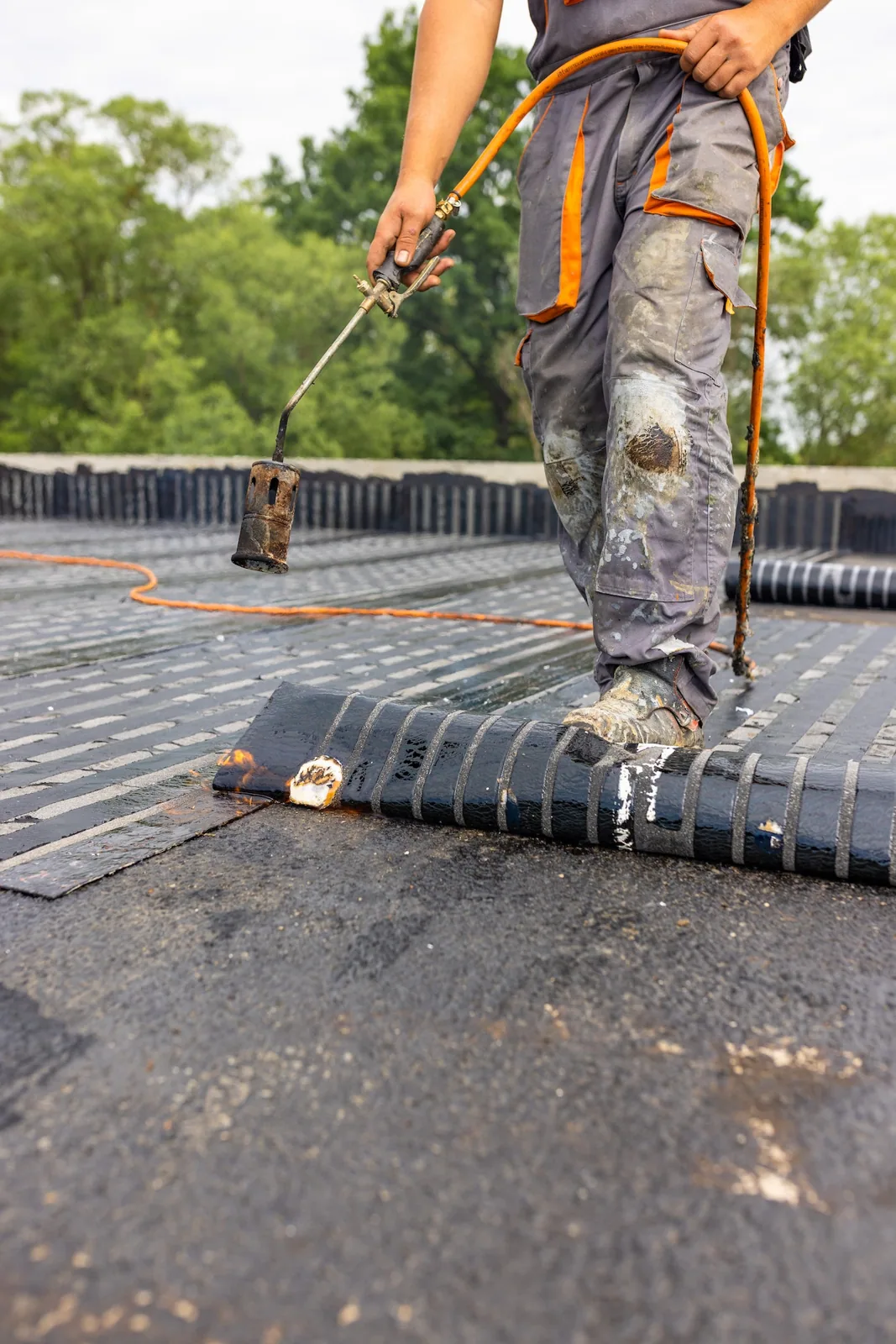
An EPDM roof can cover a broad low-slope field, yet its performance still turns on seams, flashing, drainage, and attachment. In Elizabethport, water can enter at a curb or lap and travel before it appears indoors. We trace the roof condition rather than assuming the first visible stain marks the opening. The inspection sets a repair boundary and identifies whether the membrane and substrate remain suitable for continued service.
Elizabeth properties include logistics, retail, healthcare, and other commercial uses. Roof access and equipment activity vary, so we record service paths and operational limits before selecting repair work or replacement.
Inspect the EPDM Assembly
We identify the membrane field, seams, patches, flashings, edges, and penetrations. Existing EPDM may have adhered or mechanically attached areas, multiple repair generations, or transitions to other roof materials. We check lap edges for separation, surface damage, punctures, shrinkage around details, and loose terminations. Where the roof file is missing, selective testing may be needed to confirm the layers and attachment.
Moisture beneath the membrane changes the decision. A repair should not simply cover a soft, wet, or unstable area. We look for signs of trapped water and compare them with interior observations. If a test cut or other investigation is warranted, the property contact receives the purpose and restoration plan before the roof is opened.
On a commercial block near North Avenue corridor, rooftop equipment and service movement can affect a membrane. We inspect around supports, walks, and curbs for cuts or abrasion. The scope identifies where protection or flashing correction is needed and which items belong to another trade.
Restore Seams With Compatible Materials
EPDM seams may use tape, adhesive, or other system-specific components. A repair begins with suitable surface preparation and material compatibility. Dust, moisture, old adhesive, and contamination can weaken a new lap. We remove or prepare material as required, then form the seam and check its edge. A patch should extend onto sound membrane and have corners and transitions shaped to reduce peel points.
At a curb or wall, the membrane must rise and terminate securely. Flashing may involve uncured rubber, metal, termination bars, or a compatible transition based on the existing assembly. Drain connections need secure clamping and an unobstructed opening. A repair that seals one edge but traps water or blocks the outlet leaves another condition unresolved.
Our leak repair process follows the entry path and checks adjacent seams. If the membrane is broadly worn, a repair scope may not be enough; the owner can compare a replacement roof or compatible recover system. We explain which details and layers are included before work begins.
Compare EPDM With Other Roof Systems
EPDM and TPO are different membrane families, with distinct seam methods and repair components. PVC is another single-ply option with its own compatibility needs. We compare the existing roof, exposure, service traffic, transitions, and maintenance history. Choosing a new material should account for how future repairs will be made, not only the initial installation.
If the roof has small isolated openings and stable surrounding material, repair may extend service life. If seams have separated across many areas, edge terminations are loose, or insulation is wet in several zones, replacement may provide a more reliable starting point. A recover is considered only when the underlying assembly and project requirements support it. We do not recommend adding layers before moisture and attachment are understood.
For a property in Midtown Elizabeth, the work sequence may need to protect occupied rooms and deliveries. We coordinate material staging and roof access with the property contact. The chosen scope should state the active area and how it will be made weather-tight before the crew leaves.
Prepare and Secure Each Roof Zone
Before installation, the substrate is cleaned and repaired as specified. Insulation and cover board are placed in the approved pattern, with joints fitted and attachment checked. Membrane rolls are positioned without blocking drains. Work proceeds in sections that can be completed and protected within the schedule. If weather or a concealed condition changes the plan, open areas are secured before the next decision.
Seams and flashings are installed under suitable conditions and checked as the work advances. At edges, new membrane must connect to compatible metal or wall details. Around mechanical equipment, the crew maintains access and avoids leaving loose material in service paths. A property contact should coordinate shutdowns or roof access for other trades so they do not disturb unfinished work.
Flood and storm-surge exposure affects low-lying stretches beside Elizabeth River. For EPDM work, we inspect the roof’s actual drains, overflow route, and discharge point before setting a repair boundary. Roofs still need building-specific outlet review. We check that scuppers and drains remain clear and that a repair does not route water behind a curb or parapet. If roof slope is the underlying issue, a membrane patch alone will not correct it.
Repairs should follow the membrane manufacturer’s requirements and the condition of the existing surface. Old patch materials may not bond to a new product without preparation. We identify the repair method and any primer or cleaner required, then check the lap after installation. A maintenance record that notes the material and location makes later inspections more useful and helps prevent an incompatible patch from being placed over the finished seam.
Record the Repair and Plan Maintenance
Closeout checks seams, patches, penetrations, edges, drains, and transitions. Photographs show completed work and any area that remains outside the authorized scope. The owner receives material and maintenance information relevant to the roof. Keep the records with prior repairs so later service teams know which products are compatible with the installed assembly.
An inspection can document the condition of an EPDM field, while routine maintenance checks outlets, rooftop work areas, and details after service calls or severe weather. Those visits help the property manager identify new movement or damage before it spreads across a seam.
Request a review when an EPDM roof has recurring leaks, open laps, or planned equipment work. Share the system history, access limits, drawings if available, and where water appears inside. Commercial Roofers Elizabeth will inspect accessible conditions and recommend repair or replacement based on the assembly found.
Commercial Roofing Questions
Can EPDM seams be repaired without replacing the roof?
Yes, when the surrounding membrane and substrate remain sound and the failure is limited. The repair needs compatible materials and proper surface preparation. Widespread open seams or wet insulation may call for a broader evaluation.
How can I tell whether my roof is EPDM?
Old project records, product labels, and a roof inspection can help identify the membrane. Color alone is not a reliable indicator, especially after coatings or repairs. We verify the assembly before selecting patch materials.
Can EPDM be coated?
Some restoration systems may be compatible, but the membrane, surface condition, seams, and prior coatings must be reviewed first. A coating will not correct wet insulation, failed attachment, or drainage problems. The system requirements determine whether restoration is appropriate.
Does EPDM shrink over time?
Movement at edges or around details can occur for different reasons, including installation, attachment, material condition, or roof movement. The inspection should identify the actual detail failure and determine whether the membrane can be resecured or needs replacement.
What maintenance does an EPDM roof need?
Keep drains clear and check seams, flashings, patches, and penetrations after rooftop work or severe weather. Use repair materials compatible with the installed membrane. Record each repair so later crews can understand the roof’s history.
Review an EPDM Roof
Share repair history, roof drawings, access limits, and leak locations. We will inspect the assembly and explain the repair boundary or replacement options.