Versico Commercial Roofing in Elizabeth, NJ
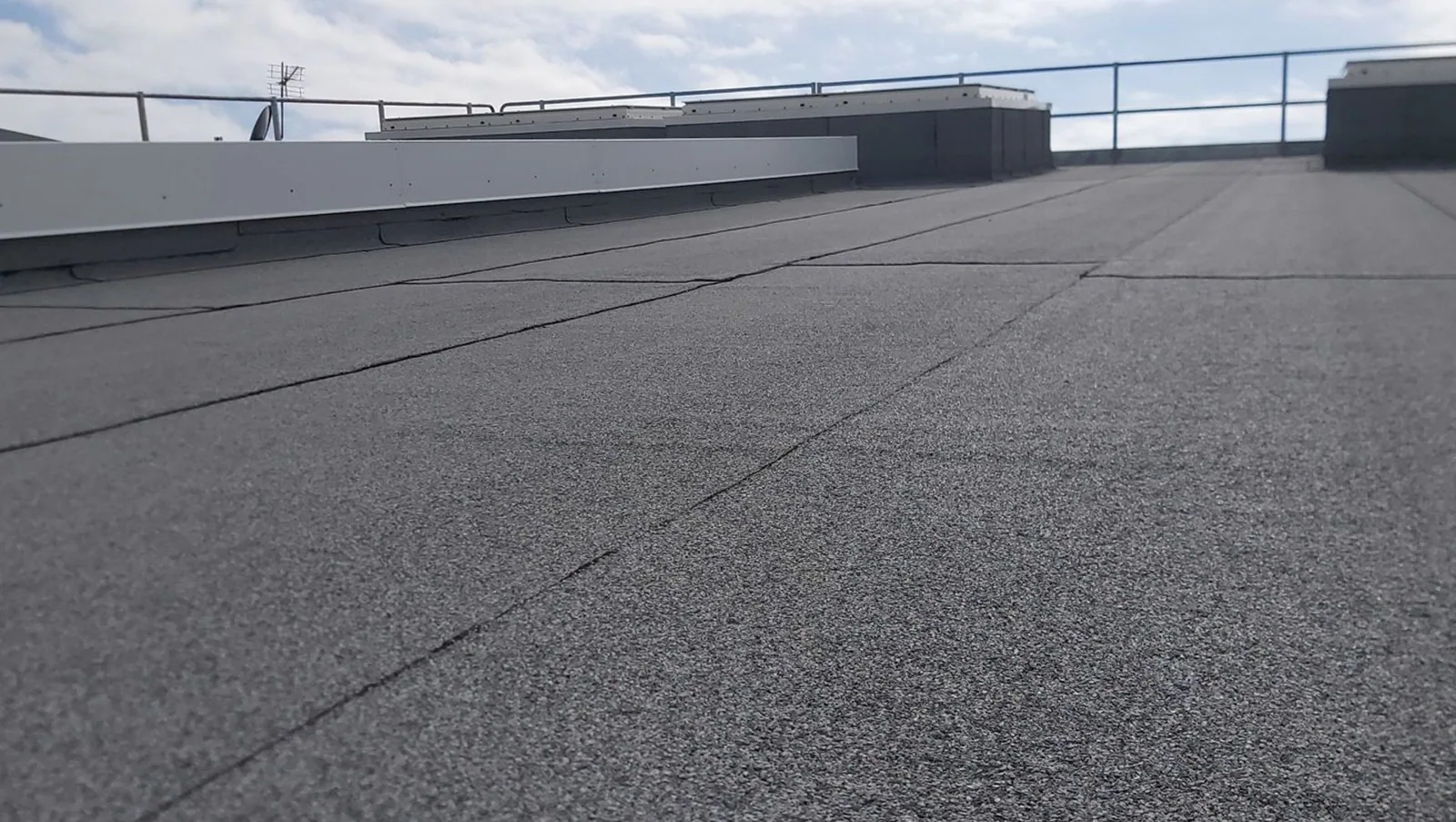
A fleece-backed sheet, a smooth TPO field, and an EPDM membrane call for different repair details. When records name Versico, we compare the documented assembly with the membrane, seams, flashing, and attachment visible at the property. We identify the installed system and inspect the seams, flashing, perimeter, and drainage before deciding what work fits. A Versico assembly near Midtown Elizabeth may sit above loading or equipment areas; roof access and membrane condition still need a property-specific inspection. The roof walk therefore includes the assembly itself and the access conditions that shape a safe work sequence.
Identify the Versico Assembly in Place
Membrane color alone does not identify a roof. We look for markings, seam construction, flashing material, attachment, and evidence of earlier overlays. EPDM relies on compatible seam materials; TPO and PVC use heat-welded seams. A fleece-backed system has its own adhesive and substrate requirements. We compare visible details with available project records, then note where the roof changes material or age. A system label guides the inspection, but it does not confirm insulation moisture or deck condition.
If the building has several repair generations, we mark each transition before proposing a tie-in. That can keep a small repair from bridging incompatible surfaces. The TPO membrane and EPDM assembly need distinct preparation and flashing materials. Our commercial roof inspection records the observed membrane and the limits of what can be seen without opening the roof.
Follow a Leak Beyond the Visible Opening
A drip under a roof curb can come from the flashing, a seam, or a higher point where water runs along insulation or deck. We start at the interior mark, trace the area above it, then check nearby penetrations, laps, edges, and drains. A repair boundary should reach sound material and account for the way the assembly is attached. If a patch sits over wet or loose layers, the defect can persist even when the surface looks sealed.
For a thermoplastic seam, welding and surface preparation must match the membrane. An EPDM patch uses compatible cleaning, primer, and flashing components. We identify any field condition that requires a test opening before pricing a broader repair. The owner can compare a seam failure repair with a commercial roof repair once adjacent material and flashings have been inspected.
Schedule Around Truck and Loading Activity
North Avenue carries substantial port truck traffic and also serves nearby retail, hotels, and commercial buildings. That mix affects how roof materials arrive and where a lift or delivery vehicle can stand. We coordinate access with the site contact, keep loading routes clear where required, and define which roof zone can be opened during each work period. An occupied interior may need temporary protection beneath the repair area. The North Avenue corridor is a broad service area; the work plan still follows each property’s access and operating needs.
For buildings tied to logistics or retail, equipment may need to remain in use while roofing proceeds nearby. We identify shutdowns, protected paths, roof openings, and any trade work that could disturb the membrane. The owner receives a defined sequence before materials are staged. Those details can affect production and timing as much as the membrane choice, especially when staging space is limited or a loading entrance must stay available.
Elizabethport and Midtown Elizabeth each include older commercial corridors where building access and infrastructure deserve a close look. On a property in either district, we confirm the delivery path and roof outlet rather than assuming the same setup across the city. The distinction matters when a loading area sits beside an occupied office or retail entrance.
Inspect Drains, Overflows, and Discharge
We locate roof drains, overflow scuppers, and leaders, then inspect the surface that directs water to each outlet. Debris, loose strainers, standing water, and damaged drain bowls deserve separate notes because they point to different corrective work. A low roof area may involve deck or insulation conditions that cannot be solved by changing membrane alone. The scope should distinguish roofing from plumbing, slope correction, or site discharge work. A drainage inspection sets out the roof conditions clearly.
A nearby river does not establish water history at an individual roof. We inspect the building outlet and record where roof discharge meets the site system. We inspect the building outlet and record where roof discharge meets the site system. When severe weather has caused a reported leak, our storm-damage review connects interior evidence with conditions on the roof instead of assuming a cause.
Choose a Repair Boundary That Fits
A limited puncture or open lap may suit a localized repair if the adjacent membrane, flashing, and substrate remain sound. Repeated openings or widespread deterioration can change the choice. We compare the affected area with the whole assembly and explain what evidence supports repair, recover, or replacement. Cost and timing depend on removal depth, insulation, equipment relocation, access, disposal, and how interior operations are protected. A recover requires stable existing materials and suitable attachment; it should not conceal moisture or loose edges.
Coating is a separate option only when the roof surface and details suit the selected material. It cannot restore a damaged deck or wet insulation. If broader replacement is warranted, a replacement scope should name layers, perimeter work, drainage, and transitions. We state open conditions and testing needs before setting a production schedule, so an owner can compare options based on the building and not a product label.
We also note metal coping, wall terminations, and drain bowls that will remain outside the repair. That keeps the proposal clear about retained details and later maintenance.
Keep the Roof File Current
Closeout photographs should identify repair zones, seams, edges, penetrations, drains, and any conditions left open. We note the system components when documentation is available and retain the records with the roof plan. Later HVAC or electrical work can alter the field, so the next inspection needs to know which details were installed during the roofing project. A condition report can carry those observations forward by area and repair boundary.
When records name another manufacturer, compare the roof documentation for Carlisle SynTec and Johns Manville separately with the assembly in place. We inspect the existing roof before proposing either. Emergency roof work is available around the clock when water is entering an occupied space. We protect the opening and define immediate repairs, then document the permanent scope once the assembly and site conditions are visible.
Commercial Roofing Questions
What if roof records name Versico but do not show later layers?
We inspect markings, seams, flashing, attachments, and prior patches, then compare them with available roof documents. If overlays conceal the material, a limited opening may be needed to confirm the assembly.
Does a fleece-backed membrane use the same attachment as smooth TPO?
Not necessarily. The specified adhesive, substrate, and assembly details determine installation. We confirm the roof layers and project records before setting a repair or replacement method.
Can we weld a repair onto an EPDM roof?
No. EPDM does not use the same heat-welded seams as TPO or PVC. We identify the installed material and select compatible repair components for that system.
What does truck activity change about roof work in Elizabeth?
It can affect material delivery, lift placement, and access to loading doors. We coordinate the work zone and sequence with the site contact, including protection for occupied space below.
How do you decide between repair and replacement?
The spread of seam and flashing failures, wet insulation, deck condition, attachment, and edge details guide that comparison. We document the observations and note any testing that could change the recommendation.
Arrange a Versico Roof Review
Share available system records, leak locations, loading hours, and access rules. We will inspect the roof and define compatible repair or replacement options.