
PVC Roofing for Commercial Buildings in Elizabeth, NJ
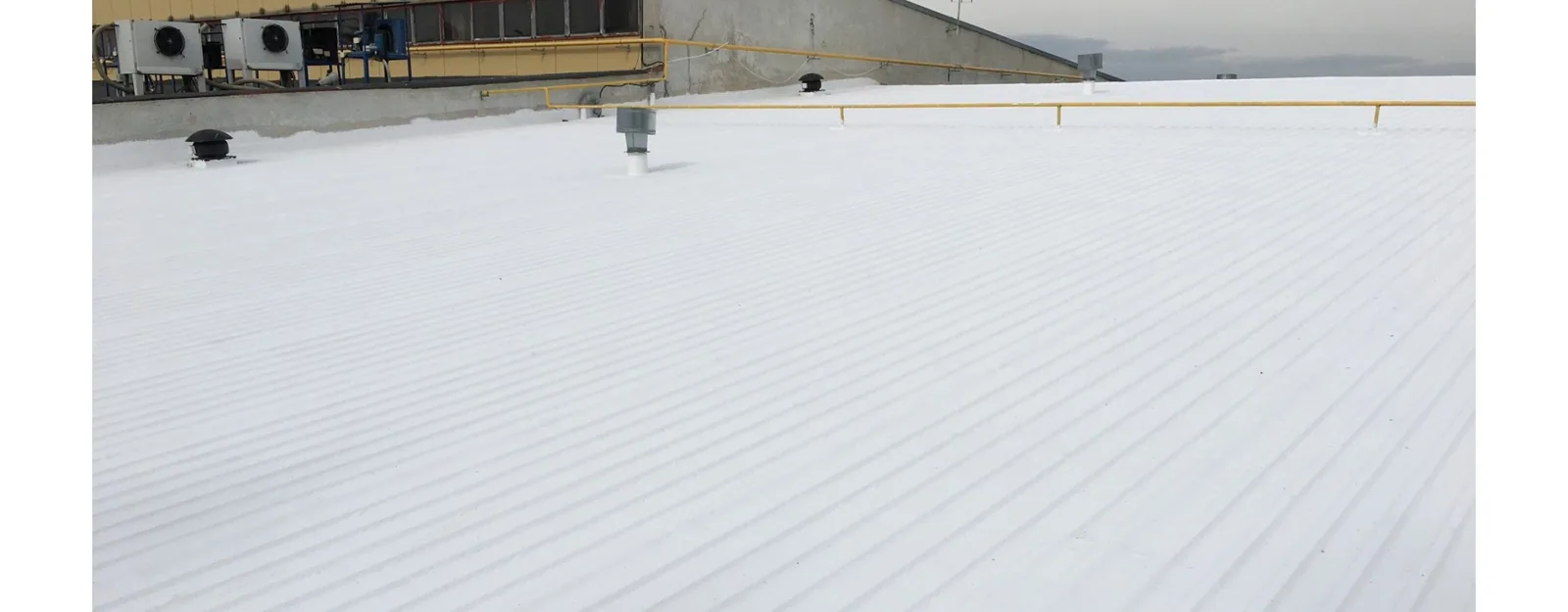
PVC roofing is a thermoplastic membrane used on low-slope commercial roofs. At a restaurant or industrial property near the North Avenue corridor, the roof must connect cleanly around exhaust, curbs, drains, and perimeter metal. We inspect the existing assembly and the building’s use before selecting PVC. The membrane type matters, but so do substrate, attachment, welding, and service access.
Commercial roofs in Elizabethport and North Elizabeth have different exposures and operating limits. We identify those conditions and state what the PVC scope includes rather than assuming a single membrane detail fits every building.
Match PVC to the Roof and Its Use
Before proposing PVC, we review the existing roof, deck where known, insulation, drains, penetrations, and previous repairs. A restaurant roof may have exhaust discharge or grease exposure that affects cleaning and membrane selection. A warehouse may need wide service paths and equipment access. We ask the owner about rooftop operations and check the actual surface condition before recommending a system.
PVC sheets are joined by heat-welded seams. The specified membrane, thickness, reinforcement, and attachment approach should match the project documents. A mechanically attached system depends on approved fastener patterns and secure substrate. An adhered system requires compatible surfaces and application conditions. The proposal identifies the components that will be installed and the conditions that must be resolved first.
Where the roof contains wet insulation, weak attachment, or incompatible prior coatings, a new surface alone will not correct the assembly. Test cuts or other field verification may be needed to confirm layers. We define those steps before work, then separate base scope from additional repair if the opening reveals concealed damage.
Protect Seams and Penetrations
Heat welding requires a clean lap and consistent technique. Crews set equipment for the material and conditions, complete test welds when required, and inspect the finished seam. Intersections, patches, corners, and changes in direction need careful attention because the weld path is less uniform than a long field seam. We check those locations as work proceeds instead of relying only on a final walk.
Drain bowls, scuppers, curbs, pipes, skylights, and parapets interrupt the membrane. Each needs a compatible transition and secure termination. A drain detail should remain open and serviceable. At an exhaust curb, the flashing must connect to sound material and accommodate the equipment layout. Our penetration work and drainage scope coordinate with the PVC field.
For a building in Elizabethport, loading and tenant activity can make predictable roof access important. We plan the order of work, deliveries, and debris removal with the property contact. If another trade must use the roof, the access path is identified and the completed membrane is protected from tools and material handling.
Compare PVC With Other Membranes
PVC and TPO are both thermoplastic membranes, but their formulations, system options, and compatibility differ. KEE roofing is another PVC-alloy option. We compare the specified system with the building’s exposure, roof use, and repair history. No material label should substitute for a review of the actual field and details.
Chemical exposure needs particular attention where exhaust or process discharge reaches the roof. The owner can identify products used, ventilation patterns, and any known damage. We look for surface changes, softened or cracked areas, seam stress, and staining, then consult product requirements to select compatible work. If conditions are unclear, testing or manufacturer review may be needed before the system is finalized.
If the old roof is suitable and project criteria allow another layer, a recover may be considered. When the assembly has broad moisture or failed attachment, a replacement may provide a clearer starting point. We explain removal, insulation, and edge transitions so the owner can compare complete options.
Install With the Building in Service
We stage materials away from drains, equipment intakes, and active service lanes. Work proceeds in zones that can be prepared, insulated, covered, and secured before the crew moves on. Weather, wind, and surface conditions can change the plan. If the substrate is damp or a storm approaches, the crew protects the building and waits for conditions that support the specified installation.
At an occupied property, we coordinate noise, roof access, and interior protection. Near active loading areas in Elizabeth, material deliveries should fit the facility’s operating schedule. A contact on site can identify spaces where vibration or overhead work needs notice. We keep open roof area controlled and communicate any delay or change in sequence.
Before a section closes, we check insulation fit, membrane attachment, seams, flashings, edges, and drains. If concealed damage appears, we photograph it and request direction before expanding the scope. The completed work record notes the location and any limitation so future service personnel can understand which sections were restored.
Inspect the Finished PVC Assembly
Closeout should include a review of field seams, corners, patches, penetrations, and perimeter terminations. We verify that drains are clear and that equipment access remains practical. The property file can include membrane identification, installation details, photographs, and maintenance notes. That information helps the next crew select a compatible repair instead of guessing at a material from appearance alone.
The roof needs a property-specific drainage review. We check outlet locations and overflow paths, while the owner addresses any separate site discharge question. A membrane does not change slope, and an unobstructed outlet remains important after reroofing.
A roof inspection can establish a condition record before later work. A maintenance review can check drains and details after rooftop service. Keep repair dates and photographs available for the property manager and future trades.
Plan PVC Roofing Around the Property
PVC may suit a roof when the assembly, exposure, and installation details align. The decision includes membrane compatibility, insulation, drains, access, edge metal, and the building’s work schedule. We review those points before pricing so the owner can see the proposed sequence and any items that require separate coordination.
Request a PVC roof review when a commercial property has seam leaks, aging membrane, chemical exposure, or a planned reroof. Share the roof type, repair history, drawings, and access restrictions. Commercial Roofers Elizabeth can inspect accessible areas and explain whether a repair, recover, or replacement scope fits the conditions found.
Commercial Roofing Questions
What is the difference between PVC and TPO roofing?
Both are thermoplastic single-ply membranes, but their formulations, system requirements, and compatibility differ. The right selection depends on roof use, exposure, attachment, and details. Compare specified assemblies rather than choosing from the material name alone.
Is PVC appropriate near restaurant exhaust?
It may be considered, but the owner should identify what exhaust reaches the roof and whether the existing membrane shows damage. Product compatibility and ventilation conditions need review. The inspection should not assume a membrane is suitable without checking the actual exposure.
How are PVC roof seams joined?
The field seams are typically heat welded. Clean laps, suitable equipment settings, trained installation, and checks at intersections all matter. The crew follows the selected system’s requirements and corrects deficient welds before closeout.
Can PVC go over an older membrane?
A recover is possible only if the existing assembly is suitable and the project permits it. Moisture, attachment, deck condition, and compatibility need review. Selective openings can confirm layers that cannot be seen from the surface.
Will a PVC roof stop ponding?
No. Membrane replacement does not change roof geometry. Persistent water may require outlet work, tapered insulation, or another correction. Review the drain path and low areas before setting the new roof scope.
Review a PVC Roof Scope
Share roof drawings, known membrane type, repairs, exhaust conditions, and access limits. We will inspect the assembly and explain compatible roofing options.