
Carlisle SynTec Commercial Roofing in Elizabeth, NJ
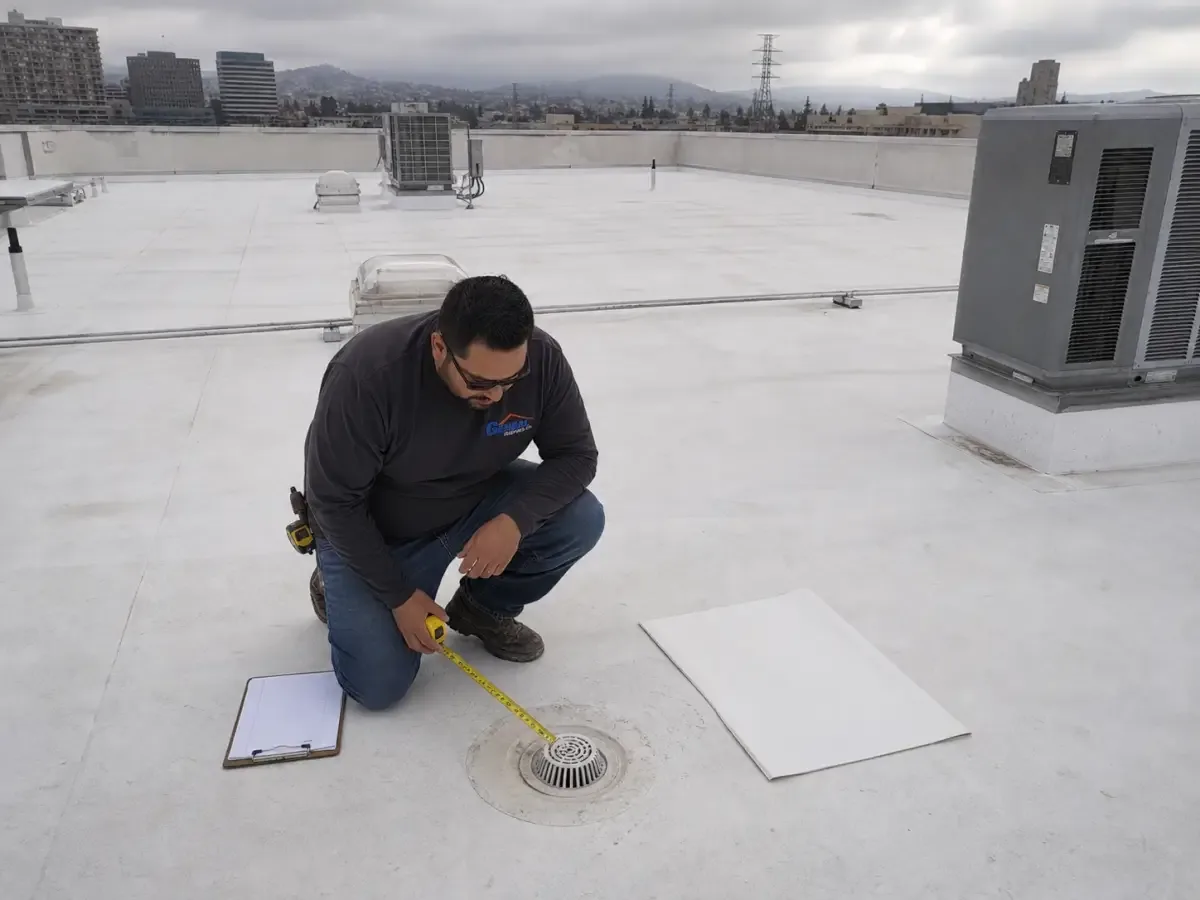
A black EPDM roof and a white thermoplastic membrane need different inspection and repair methods even when both cover the same kind of warehouse. When records name Carlisle SynTec, we verify the installed membrane, attachment, and documented components against the roof before planning work. We start by identifying the installed assembly and how it is attached, then inspect the seam, perimeter, drain, curb, and transitions before discussing a new system. Elizabethport and Midtown Elizabeth are distinct areas, but neither name identifies a building’s roof layers or attachment. A roof inspection keeps the system choice tied to what is actually present.
Choose the Membrane After the Roof Walk
EPDM is a thermoset rubber membrane, while TPO and PVC are thermoplastic sheets joined with heat-welded seams. Color, chemical exposure, rooftop traffic, attachment, and the condition of the existing substrate can affect which assembly fits the building. Insulation and cover-board selection matter as much as the visible membrane when the scope includes a replacement or recover. We inspect old patches and transitions so a new detail does not rely on an unsound edge. Each membrane type requires compatible components and installation procedures. A commercial EPDM roof and a TPO membrane assembly should not be treated as interchangeable because both use a single-ply field.
Confirm Attachment and Insulation Together
A membrane can be adhered, mechanically attached, or incorporated in another assembly allowed by the system and design. Attachment depends on deck, insulation, cover board, wind design, and existing conditions. We inspect the roof perimeter and corners closely because fastening and securement details change there. A recover proposal needs confirmation that the existing assembly is suitable and that moisture or trapped layers will not compromise the new work. If the building's plans are incomplete, a test opening may clarify the deck and insulation layers before the owner approves a broader scope. For a complicated assembly, we identify the components and work sequence in the proposal instead of listing only a membrane name. A roof recover review must establish the existing layers before another assembly is considered.
At a warehouse or retail building, penetrations and rooftop equipment can interrupt an otherwise regular membrane field. We mark curbs, pitch pans, pipe supports, and service paths before setting the work boundary. The crew can then protect active equipment, route material to the work zone, and keep occupied areas below in service where conditions allow. Components should be selected as a compatible assembly, not as isolated products. A fastening pattern, insulation board, and cover board must work with the deck and project design. If the roof has been altered in stages, we note each transition instead of assuming one detail repeats across the whole building. That record helps the owner compare a localized repair with a broader recover or replacement scope.
Check the Seam, Edge, and Drain Path
Field seams receive attention, but the termination at a parapet or curb can determine whether the full assembly remains watertight. We examine lap edges, flashing corners, coping, drains, scuppers, equipment supports, and roof openings. On EPDM, seams and patches use compatible cleaning, primer, tape, or flashing materials as required by the assembly. TPO and PVC seam repairs require proper preparation and welding, with test checks suited to the repair. We do not place a universal patch over materials with different seam and flashing requirements. If water is reported inside, we compare that room with the roof above and map the likely path before defining the repair. A repair scope identifies the material, tie-in, and surrounding area that will remain outside the work.
Review Elizabeth Drainage and Site Access
Some low areas along the Elizabeth River are protected by a flood-control project. At the roof, drains, overflows, and leaders still need inspection, while the property's site connection may sit outside the roofing work boundary. Midtown Elizabeth and Elizabethport have older commercial infrastructure, so access and existing conditions deserve confirmation at each building. We locate each drain on the roof plan, note blockages or recurring ponding, and identify any connection that requires another trade. A roof review near the Elizabeth River starts with observed conditions at the property. The owner can compare roof discharge with the separate site drainage plan before changing the assembly.
For a property near port and warehouse activity, a roof walk should include the route from the loading side to each drain and overflow. Packaging, rooftop units, and later trade work can leave debris or block a path that was clear at installation. We photograph the low points, note water that remains after ordinary drainage time, and check whether the outlet is open. Near the riverfront, a roof outlet and the property's site-discharge route answer different questions. We record each visible roof condition and identify any connection that needs a separate trade review. It does not establish a condition at an individual building. Midtown Elizabeth and Elizabethport also have mixed commercial uses, so staging needs to account for loading, customer entry, and occupied space without turning a roof observation into an assumption about the structure.
Set a Carlisle Repair or Replacement Scope
When the existing membrane has a limited opening and surrounding material remains sound, a compatible repair may be practical. If seams, insulation, attachment, or deck show broader failure, a larger scope may deserve comparison. We document what is visible and state which areas require testing before the owner chooses a repair, recover, or tear-off. Cost and timing depend on membrane, preparation, removal depth, equipment moves, drainage corrections, staging, and interior protection. For coating or restoration, the surface must be suitable for the proposed material and system; it is not a substitute for wet insulation or a failing substrate. If replacement is selected, a roof replacement plan can list assembly layers, perimeter work, and open conditions by zone.
Leave a Roof Record for Future Service
Closeout identifies the product and assembly shown in available roof records, along with repaired areas, photographs, and outstanding conditions. Keep material records with the building's roof plan and note later work by HVAC, solar, or other trades that may disturb the membrane. Warranty terms, if applicable, come from the governing document and not a general sales statement. A condition report can preserve observations by zone, while a warranty record review can organize maintenance and alteration requirements. For a manufacturer comparison, review available documentation for Johns Manville and GAF separately, then check any proposed system against the roof in place. The roof assembly and project constraints remain the basis for selection.
Commercial Roofing Questions
What do you check before repairing a roof labeled Carlisle SynTec?
We identify the membrane type, attachment, transitions, and documented components before selecting compatible materials. The roof’s condition and available records guide the repair; a label alone does not establish hidden layers or suitability for a recover.
Can EPDM be repaired with TPO materials?
No. Membrane chemistry and seam methods differ. We identify the installed material and use compatible repair components and procedures for that assembly. If several materials meet at a transition, the scope states how the tie-in will be handled.
What should be checked before a Carlisle recover?
Confirm existing layers, attachment, moisture, deck, insulation, and drainage. If concealed conditions could change the decision, we identify a test opening or additional review before setting the recover scope. The proposal states the preparation and removal assumptions.
Does the Elizabeth River affect a roof's drainage design?
The city's low-lying river areas are part of its broader stormwater planning, but each roof and discharge connection needs its own review. We inspect drains and overflow paths at the building and identify any site connection that belongs to another trade.
What should remain in the Carlisle roof closeout file?
Keep system and component information, photographs, repaired roof zones, maintenance notes, and any warranty requirements that apply. Record later trade penetrations so the next inspection can distinguish the completed tie-in from changes made afterward.
Arrange a Carlisle SynTec Roof Review
Share the roof plan, system records, leak history, and site access rules. We will inspect the assembly and outline compatible repair or replacement options.