
Built-Up Roofing for Commercial Properties in Elizabeth, NJ
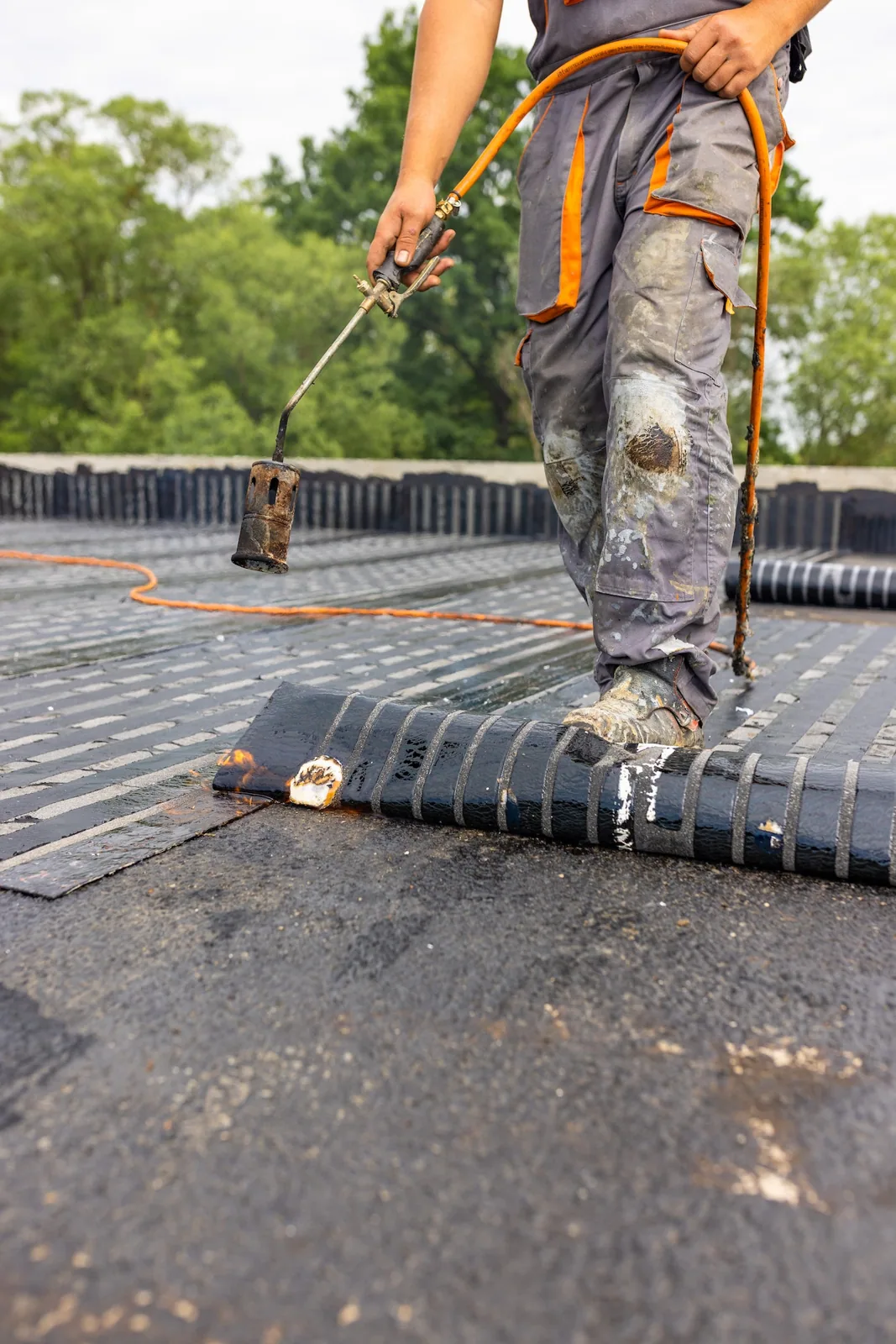
Built-up roofing, or BUR, uses multiple reinforcing plies and asphaltic layers to form a low-slope roof assembly. On a commercial building in North Elizabeth, the visible surface may conceal several repairs and changes in material. We inspect the roof and identify what remains sound before recommending a patch, restoration, or replacement. The layer sequence and transitions matter as much as the top surface.
Elizabeth’s commercial buildings include warehouses, retail, healthcare, and other service uses. Access, equipment, and interior operations shape the work plan. We record the building’s conditions and state what each scope includes before crews open the roof.
Identify the Layers and Surfacing
A BUR assembly may include a deck, insulation, base sheets, reinforcing plies, asphalt, and a protective surfacing such as aggregate or a coating. The exact combination varies. We review available drawings and repair records, then inspect visible areas for exposed asphalt, loose aggregate, blisters, cracks, splits, or prior overlays. If the roof history is uncertain, a controlled opening can confirm the build-up and substrate.
Surface symptoms need to be interpreted in context. An isolated split at a curb differs from broad movement or wet insulation across a field. We note where the condition occurs, how it connects to seams and drainage, and whether the surrounding plies remain stable. A repair plan should reach sound material and use products suited to the existing system.
Near the North Avenue corridor, a commercial roof may support equipment service and frequent foot traffic. We check walks, supports, drains, and staging areas for wear or loose surfacing. The property contact can identify recent trade work that may have disturbed the roof and help define safe access.
Repair the Field and Its Transitions
Repairs begin with removing loose or deteriorated material to a stable boundary. The exposed surface is prepared and dried as required. Depending on the assembly, the repair may use compatible asphaltic sheets, reinforcement, or flashing components. We do not cover active moisture or weak substrate with another ply. If concealed damage appears, the owner reviews the added work before the opening is enlarged.
At drains, walls, curbs, and roof edges, each layer must turn and terminate without an open water path. Metal counterflashing and membrane transitions should be checked together. A drainage review can evaluate an outlet or persistent ponding, while coping, fascia, or gutter conditions can be addressed in a separate metal scope. The correct repair may involve more than the visible cap sheet.
For an active leak in Elizabethport, we trace the water route from the interior mark back to a likely entry detail. A leak repair can address a localized opening. If cracking, delamination, or wet material is widespread, the property team can compare a replacement roof rather than extending isolated patches across a failing field.
Compare BUR With Other Systems
BUR differs from modified bitumen, which uses factory-made sheets with modified asphalt, and from single-ply systems such as EPDM. Each system has its own installation and repair methods. We consider the existing assembly, deck, building use, rooftop access, and future maintenance before comparing options. A familiar roof type is not automatically the best choice for a specific project.
Where the existing BUR remains stable and dry, a targeted repair may be reasonable. A recover adds a new system only when the existing layers, moisture condition, attachment, and project criteria support it. Full removal may be necessary where moisture or substrate damage is extensive. We describe removal limits, insulation changes, and disposal so the owner can compare the true scope of each path.
On a built-up roof, water can collect where aggregate shifts, a drain bowl sits above the field, or a repair changes the surface height. We trace the flow from each low point to the outlet and inspect the surrounding plies before deciding whether a localized correction can restore drainage.
Aggregate surfacing can make it harder to see a small split or an older patch. We examine the exposed areas and clear only what is needed to inspect a detail. After repair, surfacing is returned or replaced according to the selected system. A broad application over loose material can hide a defect without restoring the underlying plies, so preparation and the repair boundary are recorded.
Where asphaltic layers meet a different membrane or metal transition, the tie-in needs compatible materials and an identified termination. The proposal should state how that joint is prepared, what will be removed, and how the finished edge will shed water. This is especially important where a later roof phase will meet an earlier repair.
Stage Multi-Layer Work Safely
BUR work can involve hot materials, heavy rolls, aggregate, and multiple installation steps. The project plan identifies permitted materials and methods, fire protection, equipment staging, and emergency access. Site rules may limit hot work or require additional safeguards. We confirm those requirements with the property contact before mobilizing rather than assuming the same method is approved everywhere.
The crew opens a manageable area and restores it in sequence. The substrate is checked as layers are removed, and any concealed condition is documented. New insulation, plies, and surfacing follow the approved assembly. Drains are kept clear and the roof is protected between shifts. If wind or rain changes installation conditions, work pauses until the area can be secured.
Occupied buildings need coordination below the active zone. We plan delivery routes, noise, and interior protection with the owner. In Midtown Elizabeth, the building schedule may also need tenant notices or access changes. An inspection can record baseline conditions before work begins.
Keep a Clear BUR Roof Record
Closeout documents the installed layers, repair locations, drainage details, and any remaining condition outside the approved scope. Photographs before surfacing covers a detail help later maintenance teams understand the assembly. The owner should keep product information and repair history together, especially before another trade adds equipment or penetrations.
A maintenance plan can track drains, flashings, and surface changes over time. Request a BUR review when the roof has recurring leaks, widespread cracks, or a planned building project. Commercial Roofers Elizabeth can inspect accessible conditions and explain which repair or replacement scope aligns with the roof’s layers.
Share the building use, known roof history, access limits, and interior symptoms when arranging an inspection. That information helps us plan safe access and focus on the details connected to the reported issue.
Commercial Roofing Questions
How many layers does a built-up roof have?
The number and materials vary by assembly. A roof may include several reinforcing plies, asphalt, insulation, and surfacing. Drawings or a test opening can confirm the layers when the roof record is incomplete.
Can BUR be repaired with a coating?
A coating may be considered only when the existing roof is stable, dry, and compatible with the selected product. It will not restore wet insulation or damaged plies. The inspection should identify preparation and detail work required first.
Why is aggregate used on some built-up roofs?
Surfacing can protect underlying materials and is part of the specified assembly. Loose or displaced aggregate may reveal wear or prior disturbance. Repair methods need to account for the surface and restore the approved system.
Is BUR the same as modified bitumen?
Both use asphaltic materials, but their construction and sheet components differ. A field review can identify which system is present and what repair materials are compatible. Do not select a patch until the assembly is known.
When should a BUR roof be replaced?
Replacement may be appropriate when moisture, substrate damage, delamination, or repeated failures extend across the roof. A localized defect may still be repairable. The inspection defines the extent and compares realistic scopes.
Review a Built-Up Roof
Share the known roof layers, repair history, drainage concerns, and access limits. We will inspect the assembly and explain a practical repair boundary.