
Modified Bitumen Roofing in Elizabeth, NJ
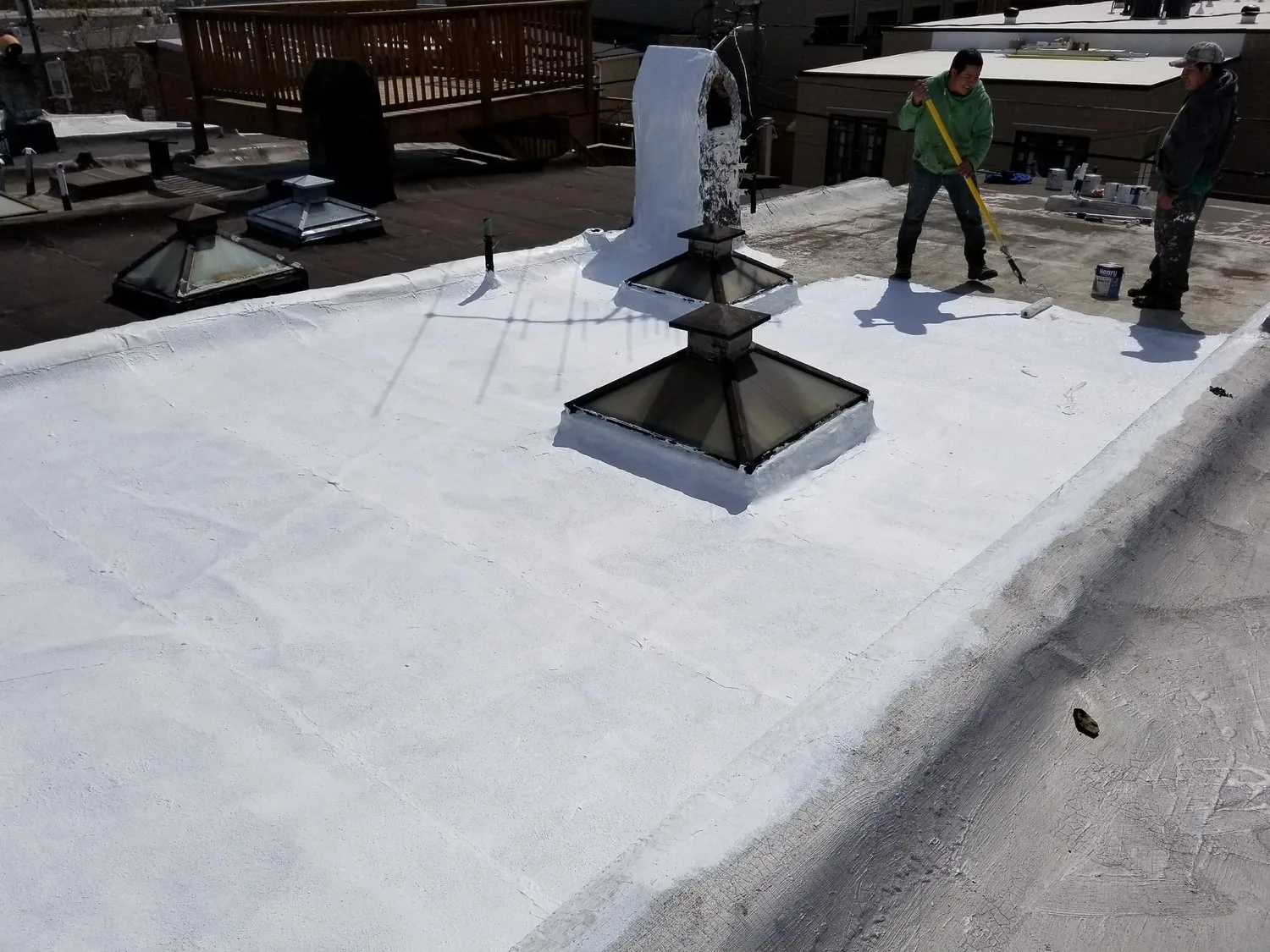
Modified bitumen is a multi-ply asphaltic roofing system used on commercial buildings. A roof in Midtown Elizabeth may have several repair generations across the field, making it important to identify the existing surface before selecting new materials. We inspect laps, flashing, drains, and substrate condition, then set a repair boundary that reaches sound work. A patch should fit the installed system and the condition beneath it.
Elizabeth has warehouses, retail properties, and other commercial buildings with different access and service demands. We consider roof use, equipment movement, and the schedule below before setting a repair or replacement sequence.
Identify the Existing Bitumen System
Modified bitumen systems use reinforced plies with asphalt modified to meet the product’s design. The roof may include smooth or surfaced cap sheets, multiple base layers, insulation, and cover board. We review drawings and repair history where available, then confirm visible conditions at the roof. The exact build-up matters because surfacing, adhesives, and flashing materials must be compatible.
We check laps for openings, ridges, fishmouths, wrinkles, and separation. At curbs and walls, the flashing should rise and terminate without a loose edge. Drains need secure clamping and a clear path. Prior coating or patch materials may obscure the original system, so a test opening can help establish which layers remain sound before a larger scope is selected.
Near the North Avenue corridor, a warehouse or retail roof may have equipment paths that cross modified bitumen. We inspect around supports and service areas for punctures or worn surfacing. The property contact can identify recent work by other trades so we can distinguish a new opening from older aging.
Repair Laps and Flashing Details
A local repair begins with cleaning and preparing the existing surface. Loose surfacing and failed material are removed to a sound edge. The repair method depends on the assembly and may use compatible bitumen sheets, adhesive, or heat-applied materials where permitted. We protect nearby equipment and keep drains clear. Open flame work requires appropriate conditions and safeguards; the project plan should state the method approved for the site.
At a curb or parapet, the new flashing needs a continuous transition to the field. Corners, terminations, and changes in plane deserve close review. A generic patch over an open lap can leave water behind the repair. Our leak repair process traces the water path, while a roof repair scope can address a bounded section of the membrane and adjacent details.
If the system has widespread splits, wet insulation, or failed attachment, isolated patches may not resolve the underlying condition. A recover or replacement roof can be considered after the assembly is identified. The proposal defines removal, substrate repair, and new layer limits so the owner can compare options on a clear basis.
Granule loss, exposed asphalt, blisters, and surface splits can signal different conditions, so we note the pattern and location rather than specifying a broad overlay from a few visible defects. At transitions, the existing layers may vary from the field. We check the metal edge, curb face, wall termination, and drain connection for a compatible tie-in. If a repair crosses a change in roof material, the proposal identifies where each system begins and how the joint will be protected.
Compare Multi-Ply Roof Options
Modified bitumen and built-up roofing are both multi-layer asphaltic approaches, but their materials and installation details differ. EPDM uses a rubber membrane with other seam methods. The decision should account for existing roof condition, building use, service traffic, repair compatibility, and project details. We explain system differences without suggesting that one material fits every property.
For a roof with limited wear and sound substrate, targeted repairs may be practical. For widespread surface fatigue or recurring seam issues, broader restoration or replacement can provide a more complete scope. If insulation is wet, a surface layer cannot restore it. Selective openings or other investigation can establish the extent before the owner chooses a path.
At laps and end joints, we look for open edges, fishmouths, displaced surfacing, and movement around transitions. The inspection records whether a defect is confined to one detail or follows a longer seam, then sets a repair boundary that can be checked after the work is complete.
Stage Work Around Site Conditions
Before work, we coordinate access, material staging, noise, deliveries, and protection below the roof. Roll goods and tools should not block drains or equipment service areas. We limit open roof area and restore each zone so the building is protected between shifts. Weather, surface moisture, and temperature can affect the selected method, so work pauses when conditions do not support the specified installation.
At an occupied property in Elizabethport, tenants or logistics staff may need notice before access changes. The property contact sets the permitted route and operating window. We keep the active area marked, control debris, and communicate schedule changes before the crew moves to a different section.
During removal, concealed deck or insulation damage is photographed and reported. The owner reviews the change before we expand the scope. New plies are installed with laps, attachment, and flashing suited to the selected system. Closeout photos show completed areas and any limitation that remains outside the approved work.
Record the Roof for Future Service
Closeout should state the repair method, materials, locations, and date. Photographs of laps, curbs, edges, and drains help future crews identify the modified bitumen assembly. Keep product information with repair records so patches are selected for compatibility. An inspection can document conditions before later projects, while routine maintenance checks drains and details after rooftop work.
Arrange a review when a modified bitumen roof has open seams, recurring leaks, or planned equipment changes. Share the known system, roof history, access limits, and interior symptoms. Commercial Roofers Elizabeth can inspect the accessible field and explain whether a localized repair or broader roof scope fits the conditions. The closeout notes can also identify areas that need follow-up, access limits, and the materials to use for future service. Note any access limits and the contact who can authorize later work. That handoff reduces confusion during future repairs.
Commercial Roofing Questions
How do I know whether my roof is modified bitumen?
Roof records and a field inspection can help identify the system. Surfacing and patch history may hide its original layers, so appearance alone is not definitive. A test opening can confirm the assembly when needed.
Can modified bitumen be repaired with a patch?
A patch can work when the surrounding roof and substrate are sound and compatible materials are used. The repair should extend to a stable boundary and address the entry path. Widespread failures may need a larger scope.
Is torch-applied roofing used on every modified bitumen project?
No. The installation method depends on the product, roof conditions, fire safety, and project requirements. The contractor should state the approved method and safeguards before work begins, especially at occupied or restricted sites.
Can another roof layer be installed over modified bitumen?
A recover depends on the existing layers, moisture, attachment, deck condition, and project criteria. Verify the assembly before adding material. If insulation is wet or the roof is unstable, removal may be necessary.
What maintenance helps a modified bitumen roof?
Keep drains clear and inspect laps, flashing, edges, and patches after rooftop service or severe weather. Record each repair and use compatible materials. Prompt attention to an open seam can limit water entry into the layers.
Review a Modified Bitumen Roof
Share the roof history, repair locations, known materials, and access restrictions. We will inspect the assembly and explain repair or replacement options.