
Commercial Roofing in Kenilworth, NJ
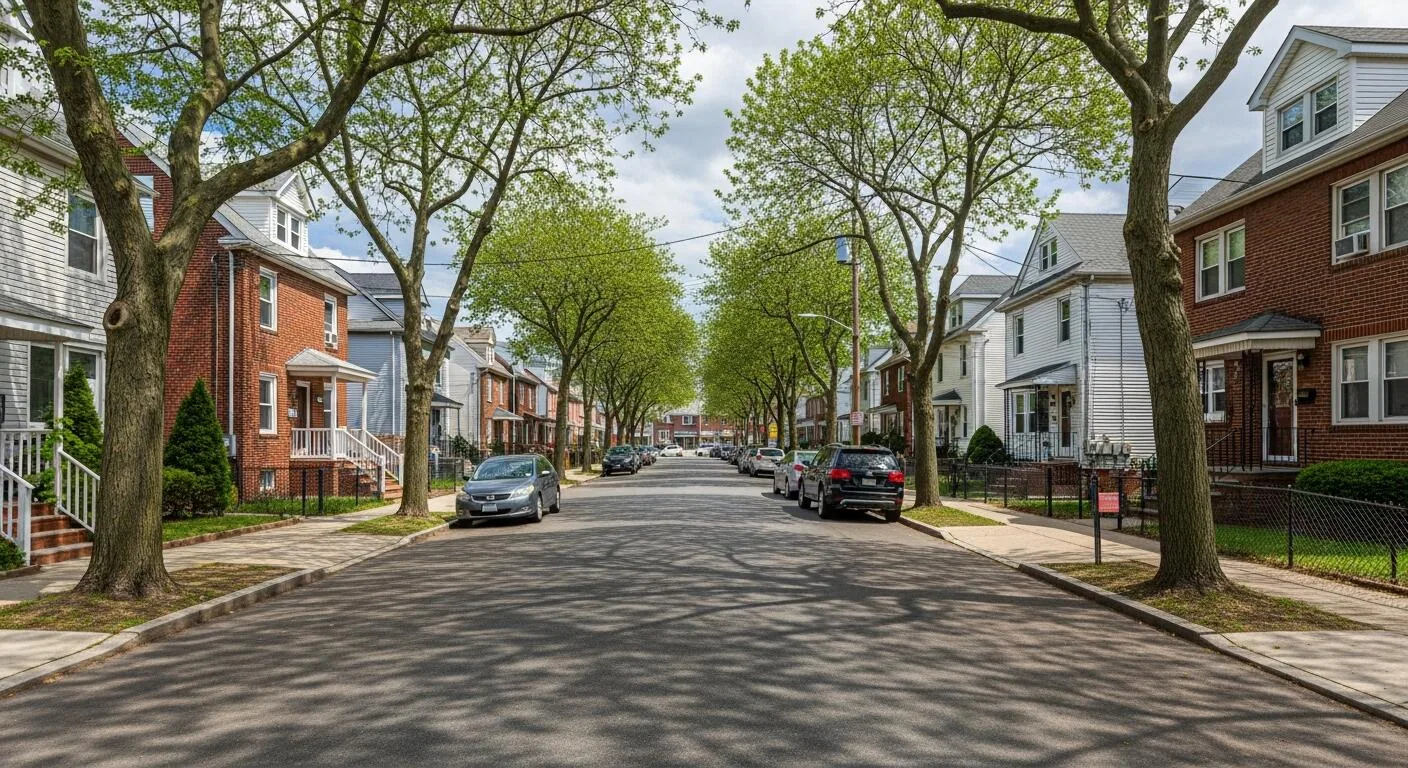
A metal edge can appear straight from the ground while a cleat has loosened beneath the coping. At a Kenilworth commercial property, we check the perimeter, roof field and drainage before pricing the repair. Kenilworth shares Union County’s road network with neighboring municipalities. For a roofing estimate, the useful details are the approved material drop, clearance limits, and route from the entrance to the roof; we confirm them at the property before scheduling. A commercial roof inspection records the conditions we can see and distinguishes an isolated detail from a larger roof concern.
The roof walk follows a practical route: note the membrane or metal, inspect seams and transitions, check drains and equipment curbs, then compare those findings with the interior report. Water can travel before it reaches a ceiling. When the leak source is not clear, we explain whether moisture testing or a test opening would alter the repair scope. The owner should know which area was inspected, what work is recommended and what remains concealed before approving a larger project.
Rebuild the Edge Connection
Coping joints, fascia and termination bars protect the roof edge only when their attachments and laps remain secure. We check loose fasteners, separated joints, metal movement, sealant condition and membrane termination below the cap. Replacing a short piece of coping without restoring the underlying flashing can leave an open path. Our edge-metal repair identifies whether the metal, membrane or both need work, and how the new detail will terminate into sound material.
We confirm the site entrance, staging, roof ladder or hatch and material route with the property contact. If a lift must share space with deliveries or tenant parking, we define that zone before the crew arrives. The same coordination applies to Hillside and Cranford, although each building has its own access and perimeter conditions.
Trace the Leak to Its Entry
A ceiling stain may sit below a deck joint rather than directly under the roof opening. We inspect the affected area, then follow seams, curbs, drains and wall transitions that could carry water to the interior. An open flashing can be repaired locally when surrounding material is sound. If several roof areas are wet or previous patches have failed, the report should describe the pattern and the limits of each repair. The leak-repair scope connects the interior symptom to a roof detail the crew can address.
Across the Elizabeth market, regional hazards include damaging thunderstorm winds, hail, tornadoes and flash flooding. A reported storm gives the owner a reason to request a timely inspection, while the repair decision still comes from the observed Kenilworth roof. We look for lifted edge metal, punctures, open seams and displaced flashing in the reported area. For active water entry, emergency service is available at all hours, holidays included. We protect the affected space where conditions permit, document temporary measures and set the permanent work after the roof is safely inspected.
Clear the Path to the Outlet
Water should move from the roof surface into a drain or scupper without crossing a damaged seam or backing up against a curb. We check strainers, drain bowls, flashing, nearby insulation and discharge direction. A clogged strainer may need cleaning; a loose flange or settled area may call for a repair or slope review. The drain and scupper work is scoped separately from membrane repairs when the outlet itself needs attention. That distinction helps an owner avoid paying for a surface patch that leaves the water path unchanged.
A basic roof repair should not be described as a municipal drainage redesign. If water is moving into an occupied area, we first limit the entry and identify the roof component that failed. If the concern is broader ponding, we record the extent and compare it with insulation and slope instead of judging the whole assembly from one low spot.
Fit New Material to the Roof
Before repairing a membrane, we identify what is installed and whether the surface can accept a compatible tie-in. Heat-welded TPO and PVC seams require clean, prepared material; EPDM relies on suitable adhesives and flashing. Metal panels need details that allow movement. Coating work adds another decision: the substrate must be sound, dry and prepared, and the roof still needs functional drainage. The EPDM assembly is evaluated against the conditions on the existing roof, not selected by default.
A recover may preserve stable layers when the added material, edge height, drain openings and permit requirements remain workable. Tear-off can make more sense where moisture or deck damage extends beyond one detail. We describe the preparation, repairs, tie-ins and exclusions for each option. When replacement is needed, the replacement scope should show how insulation, membrane and edge work fit together. The property manager can then compare the system choices and construction sequence with the building’s operating needs.
Set Controls for Occupied Work
Before a crew opens the roof, the property contact should know where tools and materials will move and which rooms sit below the work area. We confirm access, staging, delivery timing, dust and debris controls, and any equipment shutdown. Repairs can often be sequenced by zone, provided the assembly can be closed and protected at the end of each shift. The occupied-building work plan names the daily limits and the points where the owner must approve a change.
If mechanical or electrical technicians need the same equipment area, we coordinate the tie-in so flashing is not disturbed after repair. We also confirm the weather protection if rain interrupts an open section and the route for removing tear-off. A realistic sequence may use a temporary closure or a short interruption for one room rather than promise uninterrupted operations everywhere. Those limits belong in the proposal, along with the contact who can authorize access and answer questions about hidden conditions.
Preserve the Repair Boundary
At closeout, we record the repaired area, materials installed and details that deserve another look. Photographs tied to a roof location help a property manager compare a future inspection with the current condition. If a section was inaccessible or outside the approved scope, that limit stays in the record. A condition report can help plan capital work, while a maintenance visit can recheck seams, curbs, edge metal and drains before another leak develops.
Kenilworth owners can request an inspection or repair review by sharing the building use, roof access constraints, active leak location and known repair history. If another trade has equipment work scheduled, include that timing so the roof detail can be coordinated once. We will identify the observed defect, describe the repair limit and explain whether a broader option is worth comparing. That gives the owner a record for the property file and a practical next step for the crew.
Commercial Roofing Questions
Can a loose coping joint be repaired without replacing the whole edge?
Sometimes. We inspect the joint, cleats, fasteners, metal movement and flashing below. If the surrounding cap and membrane remain serviceable, a local rebuild may be enough. Corrosion, repeated separation or failed termination can extend the scope. The report identifies which segments need work and what can remain.
What does a roof inspection include after a storm report?
We inspect the reported area and nearby seams, penetrations, perimeter details and drains, then compare visible conditions with the event description. A regional hazard does not prove damage at a specific building. We document actual findings and distinguish new damage from prior wear or a separate maintenance issue.
How do I know whether ponding needs more than a drain cleaning?
We check the strainer, drain bowl, flashing, nearby insulation and surface slope. A blockage can be cleared, but settled insulation or a damaged flange may need repair. If standing water extends beyond the drain area, we document the affected roof plane and consider whether a slope or assembly issue is involved.
Can your crew work around tenants and daily deliveries?
We confirm the material route, staging area, work hours and occupied rooms with the site contact. A repair can be divided into zones when the weather protection and tie-ins permit. If a delivery, shutdown or room closure needs approval, we identify it before mobilization and keep the crew within the agreed boundary.
Book a Kenilworth Roof Assessment
Share the property use, roof access limits, leak location and repair history. We will inspect the assembly, define the repair boundary and outline the available options.