
Commercial Roof Insurance Claim Assistance in Elizabeth, NJ
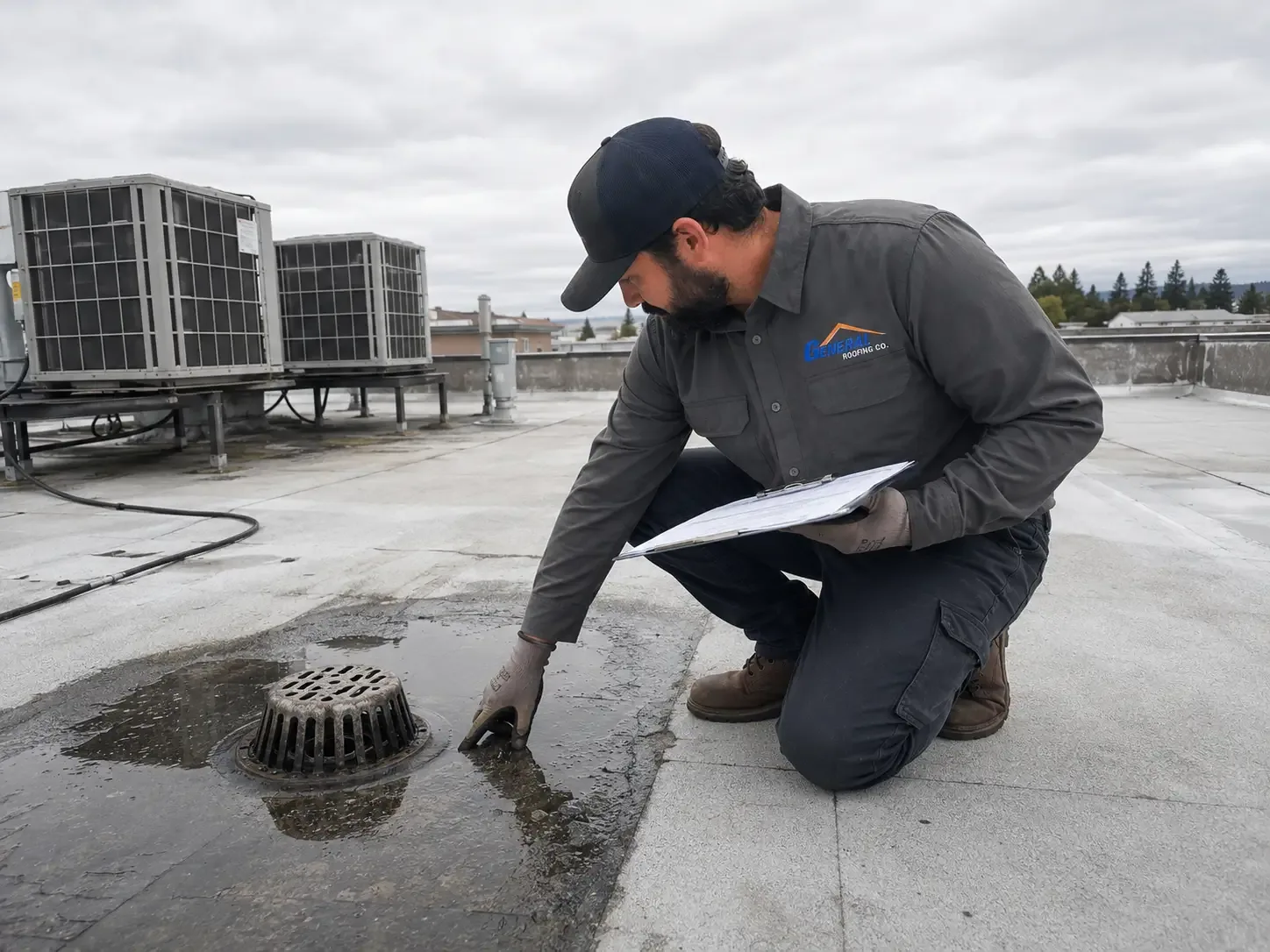
A property manager in Elizabethport may need to explain a roof leak, displaced edge metal, or interior water after a storm. The claim file is easier to use when it separates what was observed from what is assumed. We inspect accessible roof areas, photograph conditions, map affected sections, and prepare a repair scope that describes the work. That documentation can help the owner communicate with an insurer, but it does not determine coverage or promise a payment.
Record the event date, affected roof zones, and nearby maintenance or equipment work. Low-lying properties along the Elizabeth River face flood and surge exposure, so document roof drainage separately. Photograph observed changes and interior impacts, then distinguish them from prior wear or owner reports. This gives the property team a clear record without turning a regional hazard into proof of damage at one building.
Build a Clear Record of Roof Conditions
We begin with a field inspection rather than a conclusion about cause. The roof surface, membrane seams, flashings, curbs, wall transitions, edge metal, and drainage openings are checked for visible damage and existing wear. Inside, we note stains, active leakage, equipment exposure, and occupied areas that may require protection. Each photograph should show enough surrounding detail to locate the condition later, not just a close view of a tear or puncture.
A useful record distinguishes the observed condition from the owner’s report and from a technical interpretation. We can note that a seam is open, a flashing is displaced, or water is present at a specific interior location. The path between those observations may need additional investigation. If the roof assembly must be opened to confirm wet insulation or deck condition, we identify that as a separate diagnostic step and explain what it can establish.
In an Elizabeth warehouse near the North Avenue corridor, roof access may need to fit active deliveries and tenant operations. We record access restrictions, safe staging, and any areas that must remain available during the inspection. This practical information helps a property team plan follow-up work without confusing a scheduling constraint with a coverage issue.
Separate Immediate Protection From Permanent Work
When water is entering an occupied space, immediate protection may be necessary before a full repair can be scheduled. The file should identify what temporary action was taken, where it was applied, and what further inspection remains. A temporary patch can reduce exposure, but it should not be represented as a permanent solution if the underlying condition has not been corrected.
Our repair proposal states the work area, materials, preparation, tie-in limits, and any exclusions that depend on concealed conditions. If the roof has a localized opening, a commercial roof repair may address it. A suspected seam or penetration leak may require a leak repair with tracing beyond the visible stain. If widespread deterioration appears, we compare the repair with a larger roof scope rather than describe multiple isolated patches as a complete restoration.
For active exposure, an emergency roof repair can focus on temporary control and safe access. Permanent repairs follow when the roof is dry enough, materials are available, and the repair boundary can be completed correctly. We document those phases separately so the owner can see which action protected the building and which action restored the assembly.
Coordinate Claim Communication Without Overpromising
The owner or authorized representative controls communication with the insurer. We can provide inspection observations, dated photographs, measurements where relevant, and a clear description of proposed work. If requested, we can review a scope for roofing terminology and point out conditions that are not addressed. We do not interpret policy language, decide whether an event is covered, or promise that an insurer will approve a line item.
Regional storms can bring high winds, hail, and intense rain, but a general hazard does not establish what happened to one building. For properties in Midtown Elizabeth, the claim record should connect each concern to a visible condition or a reported event at that site. Avoid attributing older wear to a recent storm without supporting observations. If dates, maintenance history, or prior repairs are uncertain, mark the uncertainty instead of filling the gap with an assumption.
Keep versions of inspection notes, proposals, invoices, and photographs together. When the scope changes after work begins, document the newly uncovered condition, the reason for the change, and who authorized it. A short written record can prevent confusion between the original repair and additional work. The same file can help the property team plan maintenance after the claim process ends.
Prepare for the Inspection and Follow-Up
Before the visit, identify a property contact who can provide roof access and explain building operations. Share any known leak locations, prior repair history, roof drawings if available, and restrictions on ladders or equipment. Let us know whether occupied areas, inventory, or tenant access need protection. The inspection can then focus on the roof areas connected to the reported conditions while noting other visible concerns separately.
After the visit, the owner receives a concise condition summary and the recommended next step. That may be temporary protection, targeted testing, a repair proposal, or a broader assessment. A commercial roof inspection can map conditions beyond one reported leak. Where moisture is suspected within the assembly, an infrared moisture survey can help select areas for verification, but results should be interpreted with roof construction and field testing in mind.
Once authorized work is complete, photographs and closeout notes should show the repaired area and any remaining limitations. A maintenance plan can track later observations and reduce the chance that a new leak is mistaken for the original condition. The record is most useful when it stays factual, dated, and tied to the roof assembly.
Keep the Property File Ready for the Next Decision
A claim-related roof review is one part of a property decision, not a replacement for the insurer’s process or the owner’s professional advice. Our role is to describe roof conditions, explain the repair sequence, and keep the work record understandable. If conditions change before repair, report the new water entry or visible damage so the scope can be updated before crews mobilize.
Elizabeth’s commercial buildings include logistics, retail, healthcare, and local service uses. A roof repair can affect deliveries, customer access, or occupied rooms, so the file should note the work window and any staging limits. Those details help the property team coordinate the repair while maintaining the building’s routine operations.
Request a commercial roof inspection when a storm, leak, or changed roof condition needs documentation. Share the building type, access limits, event timing, and known repair history. Commercial Roofers Elizabeth can inspect accessible conditions and prepare a written scope for the owner’s review, with temporary protection identified separately from permanent work.
Commercial Roofing Questions
Can a roofing contractor tell me whether my claim will be approved?
No. The insurer makes coverage decisions under the policy. A roofer can document visible roof conditions, photographs, measurements, and proposed repair work so the owner has clear technical information to share. No inspection report can promise an approval or payment.
What should be included in a roof claim file?
Keep dated photographs, inspection notes, the reported event timeline, repair proposals, invoices, and records of temporary protection together. Add notes when work reveals a concealed condition or the repair scope changes. Label what was observed and what remains uncertain.
Should temporary protection be listed separately from permanent repairs?
Yes. The property record should distinguish immediate water control from work that restores the roof assembly. A temporary patch may limit exposure while conditions or materials are addressed, but the permanent repair may require preparation and a compatible tie-in to sound material.
Can an inspection confirm that all roof damage came from one storm?
An inspection can describe conditions and may identify features consistent with recent exposure. It cannot always establish when every defect began, especially where older wear or earlier repairs are present. A careful report separates visible evidence from conclusions that require more information.
Do I need to meet the roofer at the property?
A property contact should arrange safe access and explain operational restrictions. That person can identify reported leak areas, occupied spaces, prior work, and equipment that must remain available. The roofer can then document conditions without interrupting more of the building than necessary.
Request Roof Claim Documentation
Share the building type, event timing, access limits, and known leak locations. We will inspect accessible conditions and prepare a roofing scope for the property owner’s review.