Commercial Roof Fire Damage Repair in Elizabeth, NJ
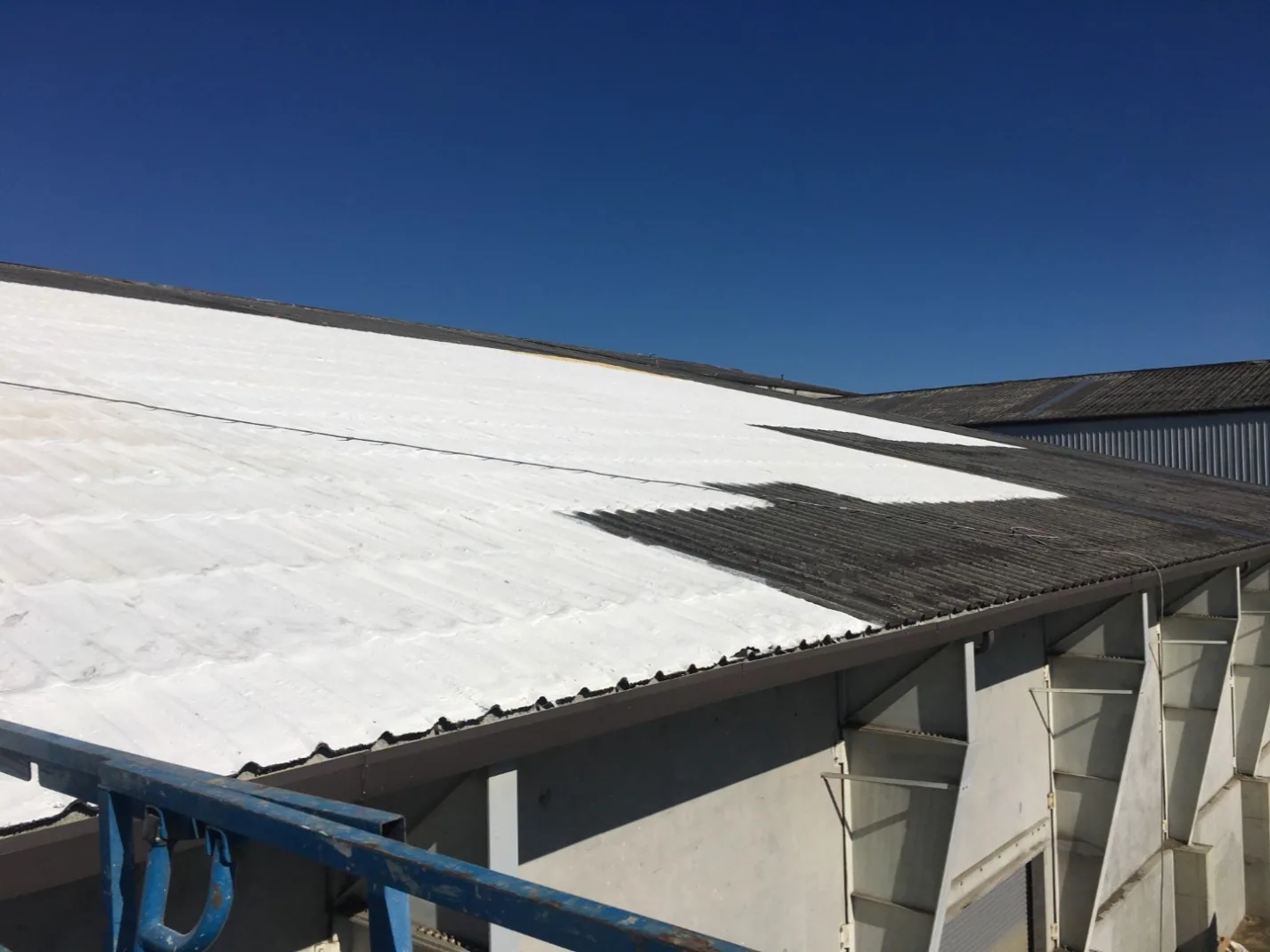
After a roof fire, the membrane above the visible burn may be affected by heat, smoke, suppression water, or work performed to reach the fire. We inspect only after the property contact confirms safe access, then separate the roof zones that show damage from areas that remain uncertain. A scorched surface does not by itself tell us whether insulation, deck, or structural components can remain. Elizabeth includes warehouse, logistics, small manufacturing, retail, and healthcare properties, each with different operations below the roof. The repair scope begins with the affected building, not a generalized assumption about the whole site. We photograph the roof surface, edge conditions, penetrations, and any openings created during response. The owner receives a clear next step before material is removed beyond the area needed to protect the building.
Confirm Safe Access Before Inspection
Fire response can leave debris, unstable surfaces, open penetrations, wet insulation, or areas that should not carry foot traffic. We coordinate with the owner or site safety contact before entering the roof and keep people away from any unapproved zone. If a fire official, engineer, or restoration lead must clear an area first, that hold point remains in the project sequence. We do not make a structural determination from a roof walk; conditions that require engineering review are identified for the appropriate professional. Once access is allowed, we map the roof sections inspected and areas that could not be reached. A roof area can remain restricted even after temporary protection is installed. An inspection of the commercial roof can record membrane, metal, drainage, and flashing conditions after the property is ready. For an urgent opening, emergency roof response can address temporary protection when the site and weather allow safe work.
Separate Heat, Smoke, and Water Effects
Heat can soften or distort a membrane, lift a coating, damage a seam, or affect the substrate below. Smoke residue may cover the condition that needs repair, while suppression water can travel through openings and wet insulation farther from the burn area. We mark visible scorching, blistering, delamination, punctures, and disturbed flashing, then compare those observations with the interior report and response records supplied by the owner. If a selective opening is needed to determine material condition, we describe what it should establish and receive approval before removal. A puncture repair can address a discrete opening caused during access, while seam repair can be scoped for a split lap. Neither should be folded into a fire-loss area unless the roof inspection finds a connection.
Keep Elizabeth Area Facts in Their Place
Elizabethport and Midtown Elizabeth have older infrastructure needs, but that citywide condition does not establish the age or assembly of a roof affected by fire. The specific building requires its own inspection. The North Avenue corridor links port truck traffic with warehouses, hotels, retail, and other commercial uses; deliveries or lift staging still depend on the property's driveway, loading space, and access rules. We confirm these details with the site contact before planning material movement. A fire-damaged manufacturing roof may require coordination with equipment crews, while a retail or warehouse property may need a protected path below. Midtown Elizabeth is a broad service area, not a substitute for an access plan at the building. A manufacturing roof scope can identify process or rooftop equipment interfaces when they affect repair staging.
Set the Repair Boundary by Condition
Where the assembly remains sound, a localized replacement of membrane, flashing, or metal may restore the roof without removing unaffected areas. If heat or water damage continues below the surface, the repair may require removal of insulation or deck to the limit approved by the owner and qualified design team. We show the observed condition, proposed removal, and tie-in on a roof-zone plan. New material must be compatible with the existing system and attach to a surface that can support it. A built-up roof assembly may require a different repair approach from a single-ply membrane or metal panel. The scope also addresses daily dry-in, debris handling, drain protection, and any temporary opening. Cost and timing depend on access, material lead times, removal depth, concealed conditions, and the amount of the property that can remain in use during the work.
Coordinate Trades Without Losing the Roof Detail
Fire restoration can include roof work, mechanical changes, electrical work, interior drying, and structural review. Each trade needs a clear interface so a new conduit or equipment curb does not break a finished membrane tie-in. We identify penetrations to be reset, the party responsible for each adjacent component, and the point when roofing can close the opening. For occupied buildings in Elizabethport or near the commercial blocks of Midtown Elizabeth, work hours, tenant routes, loading access, and interior protection should be confirmed before the crew mobilizes. A phased roof sequence can keep work areas and closeout points visible while repairs proceed. A condition report by roof zone can keep photographs and deferred work with the property record. Any change discovered after removal is documented before the approved boundary expands.
Document What Was Repaired and Left Open
Closeout records the roof zones repaired, material installed, tie-ins, photographs, and any condition that remains for another professional or later phase. It identifies where access was limited and whether temporary protection was removed. A roof repair record does not replace a fire investigation, structural assessment, or insurance decision; it describes the roofing work and observed conditions. Keep the record with the property's response and restoration files so the next inspection can compare the same zones. A roof condition record may organize findings by area, while the Elizabethport service area page covers the broader geography rather than any single property. If the damage crosses several assemblies, a roof-system review can help the owner compare repair and replacement options. The final boundary should be plain enough for facilities staff to know which roof details were restored and which still require review.
Commercial Roofing Questions
Can the entire roof be evaluated immediately after a fire?
Only areas cleared for access should be entered. Debris, wet surfaces, openings, and heat-affected materials can change safe access. We coordinate with the property contact and map inspected and restricted zones, then return when any required safety or engineering review is complete.
Does a dark or blistered area always need replacement?
Appearance alone does not establish material condition below the surface. We inspect the membrane and nearby tie-ins, then propose a selective opening if it can determine whether insulation or deck is affected. The owner reviews that step before removal grows beyond the visible area.
How should suppression water be handled on the roof?
We check drains, scuppers, and low areas, then look for interior reports that align with roof openings. Roof drainage is kept separate from any building cleanup or site-water work outside the roofing assembly. A wet concealed layer may need inspection before a permanent patch is selected.
Can roof repairs proceed while restoration work is active?
They can when access, safety, and trade interfaces are agreed. We identify which equipment or penetrations must be reset before the roof can be closed and set a dry-in point for each workday. Any concealed condition is shown to the owner before the approved scope changes.
What information helps define a fire-damage roof scope?
Share the response date, area affected, roof plans, photos if available, interior reports, and access clearance. We also need to know which trades are opening the roof or moving equipment. The inspection then ties visible roof conditions to a defined repair boundary.
Arrange a Fire-Damage Roof Assessment
Share the affected roof zones, access clearance, response records, and any restoration work underway. We will inspect accessible areas and define the roofing scope.