
Commercial Roof Hail Damage Repair in Elizabeth, NJ
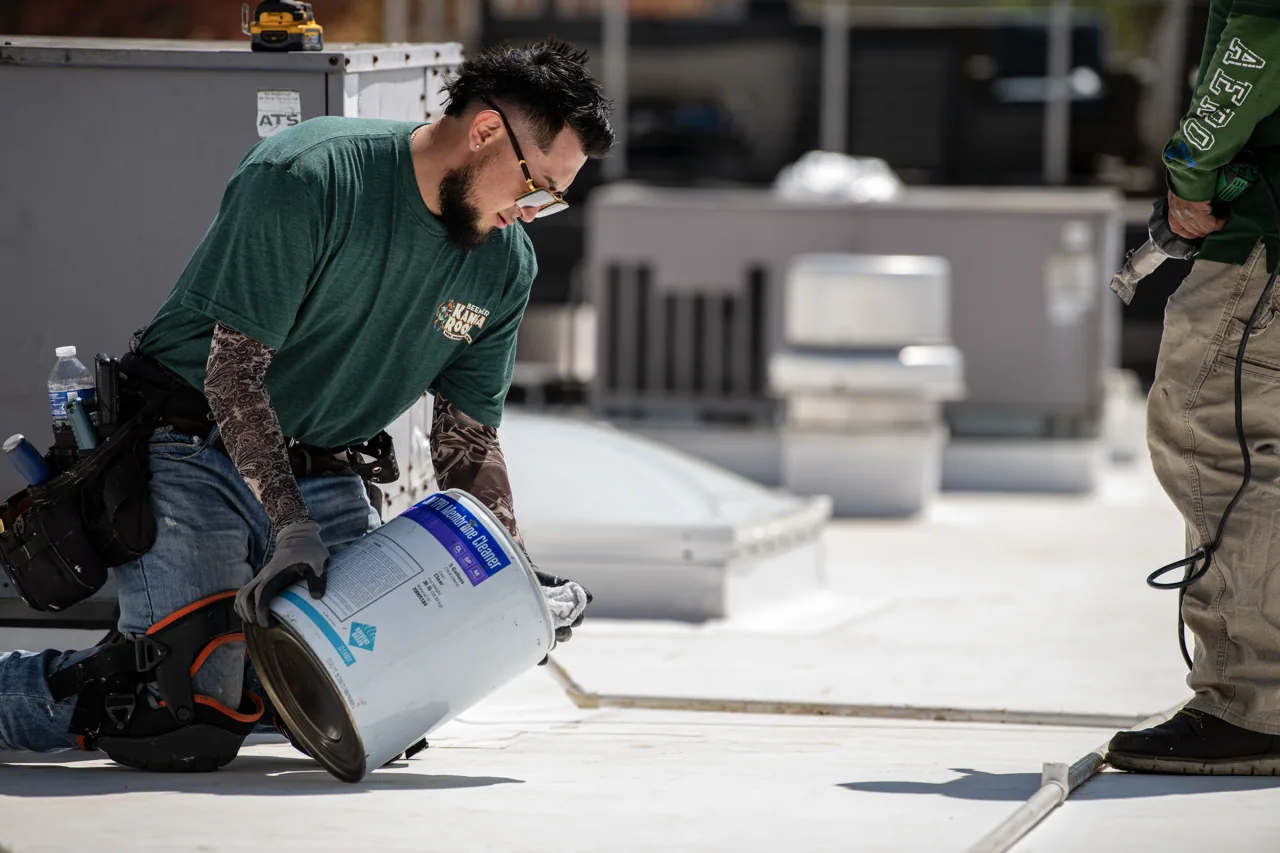
After hail passes, a metal cap may show dents while a membrane roof appears unchanged from the parking area. We inspect the roof surface, edge metal, penetrations, and rooftop equipment for observable impact, then identify any opening that could admit water. Regional hazards around Elizabeth include large hail as well as damaging thunderstorm winds, tornadoes, and flash flooding, but a regional alert does not prove impact at a particular address. Elizabethport and Midtown Elizabeth are commercial areas with different building uses; neither name tells us the roof material or condition. We photograph the areas reviewed and separate hail observations from pre-existing wear, earlier patches, or damage caused by other work. This gives the owner a roof-based scope for maintenance or claim documentation without assigning a cause the inspection cannot establish.
Survey Metal, Membrane, and Edge Details
Hail can leave a dent, fracture a coating, puncture a membrane, or dislodge a small fitting. The finding depends on the surface and the detail beneath it. We examine metal panels, coping, flashings, skylight frames, pipe boots, and membrane transitions, then compare similar roof zones for consistent marks. A dent alone may not affect water shedding, while a cracked coating or split seam can create an entry path. On standing-seam panels, we inspect ribs, clips where accessible, and end laps for movement that may not appear in a flat field. On membrane roofs, we look for a fractured surface, a puncture, or an impact mark that has opened a seam. The owner receives the roof-zone location and a photo that distinguishes the specific observation from the rest of the surface. We identify the location, depth, and extent of visible change and photograph both the overall area and close details. A commercial roof inspection can include a roof-zone map and conditions found near equipment or drains. On a PVC roof system, the membrane and seams need a surface review suited to that assembly; a metal coping detail calls for a different check.
Connect Impact Marks with Water Entry
Not every mark admits water, and a ceiling stain does not show where a hail-related opening may be. We trace the reported interior area to the roof above it, then inspect penetrations, laps, edges, and equipment bases along the likely path. If hail damaged a curb or cap, we separate that detail from a membrane puncture nearby. A small opening can be repaired when the surrounding surface accepts a durable tie-in. If several areas show impact or a hidden layer may be wet, an opening can be proposed to confirm what lies below. The owner reviews that next step before removal expands. A wind-damage inspection can help distinguish displaced metal from impact marks after the same storm; heat and UV wear can look different from a new fracture. We record both when the roof shows more than one condition.
Use Elizabeth Facts Without Assuming Damage
Hail can bruise soft metal, split aged membrane details, and dislodge edge components; after a report, inspect each roof zone and record visible impact before defining the repair. The inspection stays with roof conditions at the building. Along North Avenue, port truck traffic runs beside warehouses, hotels, retail, and other commercial development; if a roof review needs a lift or material delivery, we confirm the actual loading area and hours with the site contact. The city's older commercial blocks in Elizabethport and Midtown Elizabeth may have varied roof assemblies, so the building record and field walk matter more than a neighborhood label. A roof review in Elizabethport still begins with the specific roof system, while a warehouse roof inspection can consider equipment, loading activity, and access below the affected area.
Repair Only the Confirmed Roof Condition
A durable repair begins with the material that was damaged and the system already installed. We remove loose or cracked material, prepare the surface, and tie the correction into sound membrane, flashing, or metal. If a puncture is present, the patch extends beyond the damaged area to material that can accept it. If coating has fractured but the membrane remains intact, a compatible surface correction may be enough. Wider deterioration, wet insulation, or deck damage can change the scope and requires owner review. We identify how much material is included, how an opening will be protected, and which condition remains outside the work. Hail claims may need roof claim documentation, but roofing observations remain distinct from a coverage decision. A condition report can organize photographs by zone for the owner or adjuster.
Protect Occupied Areas During the Work
Roof access, delivery timing, and the space below affect the sequence. We confirm lift placement, roof entry, tenant routes, and any equipment that cannot be shut down. A warehouse or retail property near the North Avenue corridor may have scheduled trucks or deliveries that constrain staging, but the site plan is confirmed with its own contact. If the building remains occupied, we work in sections that can be restored or protected before leaving. A sudden shower can change that plan, so open areas are kept small and temporary protection is described separately from permanent repair. When a penetration or curb needs resetting, the responsible trade is identified before the roof is closed. The owner can review changes before the approved boundary expands, and interior protection remains tied to the room or route below the active work area.
Keep Impact and Repair Records Separate
Closeout states what was observed, which areas were repaired, the material installed, and any condition deferred for later review. The photographs should let another reviewer distinguish a new opening from an older dent, patch, or coating defect. If no water entry is visible, the record should not imply a leak was corrected. If the roof could not be accessed above a reported room, that limit and the next inspection step are identified. Hail damage and drainage are separate questions. We inspect the reported impact area as well as drains and overflows, then keep plumbing or site work outside the roofing repair boundary. The owner can keep the roof record with weather notices and interior reports, then compare later inspections with the same roof-zone map. A defined record helps separate membrane condition, metal impact, equipment damage, and any work performed by other trades after the storm.
Commercial Roofing Questions
Can a dented metal panel still shed water?
A dent does not by itself establish a leak, but it can change drainage or stress a seam, fastener, or coating. We inspect the panel and nearby joints, then record whether water-shedding function or attachment appears affected. The repair decision follows those roof conditions.
What evidence helps distinguish hail from older wear?
Close photographs, location by roof zone, the affected material, and any pre-event records can help compare conditions. We describe what is visible and avoid assigning a cause where the surface does not show one. A regional warning alone does not establish damage at the building.
Should every impact mark be patched?
No. Some marks do not create an opening or interfere with the roof's function. We separate cosmetic change from cracked coating, puncture, loose attachment, or a seam that no longer closes. The proposal identifies repairs that address a water or durability concern.
Can an inspection support a roof claim?
We can document roof observations, photographs, repair needs, and areas that were inaccessible. That record supports the owner's discussion with an adjuster but does not determine coverage. The repair scope remains focused on the assembly and work needed to protect the building.
What if damage appears at a skylight or curb?
We inspect the frame, flashing, fasteners, and membrane transition together. If another trade controls the equipment or frame, the handoff is identified before the roof tie-in is completed. A separate field puncture or seam split is listed as its own repair area.
Arrange a Hail-Impact Roof Inspection
Share the weather date, affected roof areas, interior reports, and any prior roof records. We will inspect accessible details and define repair needs by zone.