
Commercial Heat and UV Roof Damage Repair in Elizabeth, NJ
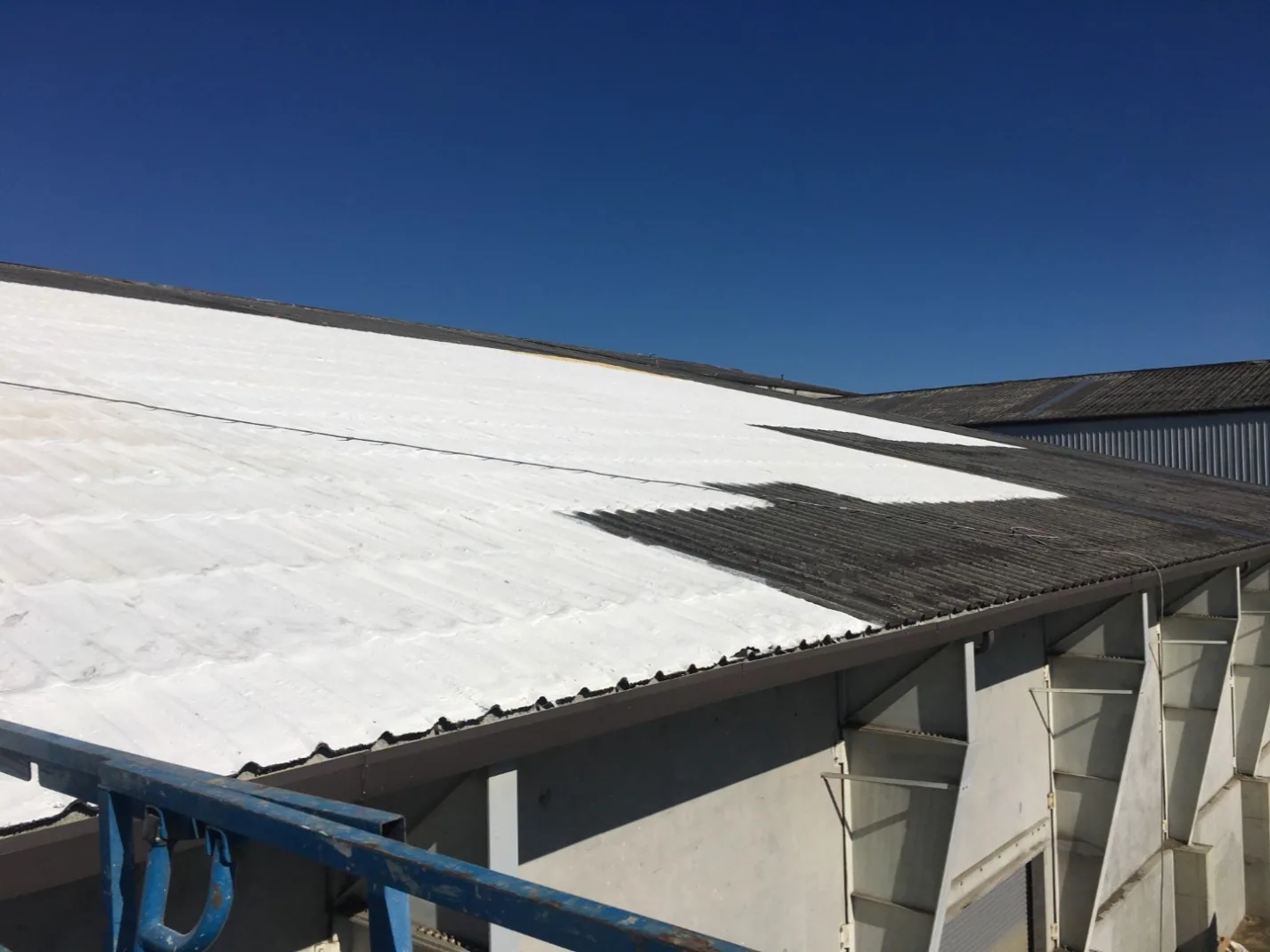
A membrane field can lose flexibility at a detail long before a broad area looks different from the loading yard. Heat and ultraviolet exposure act on the exposed surface, seams, flashings, and sealants, while ponding, foot traffic, and rooftop equipment add separate stresses. We inspect the assembly in place, mark the areas where the surface has changed, and check whether the condition reaches a seam or termination. Along Elizabeth's North Avenue corridor, port-facing warehouses sit near retail and hotel properties, but the roof on each building has its own system and repair history. A review starts with the roof record and the visible condition, then follows the affected zone to determine whether a local repair, broader restoration, or replacement scope deserves consideration. For active leaks, we can arrange an emergency roof response while the permanent work is defined.
Inspect the Exposed Surface and Details
At a roof edge, membrane chalking or a brittle sealant line deserves a closer look than a color change alone. We check whether the surface remains bonded, whether seams hold together under the system's proper test method, and whether flashing can flex at a curb or wall transition. On coated roofs, we look for splits, blisters, thin areas, or loss of adhesion rather than treating every faded section as a failure. A standing-seam panel has different signs, including finish wear around ribs, fasteners, and cut edges. The finding is mapped by roof zone so the owner can compare affected areas with sound material nearby. A commercial roof inspection can identify the assembly and document where closer testing or a controlled opening may help resolve an uncertainty.
Trace Surface Wear to a Water Path
Cracking becomes a repair concern when it reaches a lap, flashing return, fastener, or penetration that can admit water. We follow the changed surface across the roof and inspect transitions where a membrane turns up a curb, meets a wall, or ends at metal. If an interior stain is reported, its position is compared with the roof above and the likely travel path through insulation or deck. That avoids assigning a broad replacement scope to one failed termination, and it avoids patching a small spot when the adjoining material has also lost a reliable tie-in. A seam repair addresses an open lap, while a flashing correction follows the wall, curb, or penetration detail. Each condition receives its own repair boundary and closeout photograph.
Plan for Elizabeth's Working Roofs
The North Avenue corridor serves port truck traffic beside warehouses, retail, hotels, and other commercial uses. That mix makes delivery windows and lift placement relevant when a repair is above an active loading area, but it does not establish what any particular roof contains. Elizabeth's business sectors include warehousing, logistics, retail, small manufacturing, healthcare, and local services; its older commercial corridors include Elizabethport and Midtown Elizabeth. For those buildings, we confirm roof access, the area below the work, and the hours when a noisy or open-roof step can proceed. A commercial roof review in Elizabethport and a roof assessment in Midtown Elizabeth each begin at the property rather than a district label. Where drainage is part of the observed condition, a compatible roof coating restoration is considered only after the surface and details are suitable.
Choose a Repair That Fits the Assembly
A compatible repair depends on membrane type, coating chemistry, substrate condition, and how much sound material remains around the defect. We remove loose material, prepare the surface, and tie new work into an area that can hold the repair. A single-ply membrane may need a welded or adhered patch, while a metal roof may call for a panel, fastener, or flashing correction. Coating is not a substitute for wet insulation, a failed seam, or a damaged deck; those conditions need their own scope. If the exposed area is widespread, the owner can compare targeted repair with a roof recover or a commercial roof replacement. Cost and timing follow access, material compatibility, preparation, removal depth, concealed conditions, weather windows, and how much of the building must remain protected during the work.
Keep Operations Clear Below the Work
Heat-related repair work still needs a safe sequence for the people and equipment below the roof. We confirm the entry route, material staging, lift position, and any interior area that should remain clear while an opening is prepared. In a warehouse or retail building, the work can be divided into zones that can be restored or protected before the crew leaves. If HVAC, electrical, or other rooftop equipment needs to move, the responsible trade and roof tie-in are identified before work starts. A warehouse roof scope may require coordination around loading, while a condition record can preserve photographs and open items for facilities staff. Weather can change the day's sequence, so we keep the exposed area limited and explain any temporary protection separately from the permanent repair.
Record What Changed and What Remains
The closeout record identifies the roof zone, observed surface change, material installed, and the condition left outside the approved boundary. Photographs should show both the repair detail and enough surrounding roof to locate it during a later inspection. If the surface is worn but still performing, the record can support a maintenance plan instead of a repair claim. If a seam or termination has opened, the record shows the tie-in and any nearby area that needs follow-up. We also note access limits and any trade handoff that affects the roof assembly. An asset planning review can group these observations by roof area so the owner can compare immediate work with future capital timing. A defined closeout keeps repaired details distinct from adjacent wear and gives the next roof review a useful starting point.
Commercial Roofing Questions
Does a faded membrane need replacement?
Color alone does not decide the scope. We check flexibility, adhesion, seams, flashings, and the material below any changed area. If the assembly remains sound, maintenance or a limited repair may fit. Widespread brittleness, wet insulation, or recurring openings may call for a larger comparison before the owner chooses a path.
Can a coating correct UV wear?
A coating can be considered when the existing surface is dry, clean, compatible, and able to accept a sound bond. Open seams, trapped moisture, loose coating, or damaged insulation must be addressed first. We identify preparation, repair, and test areas in the scope so the coating is not asked to bridge a condition it cannot correct.
How do you separate heat damage from a roof leak?
We compare the surface change with the reported interior area and trace the water path through seams, curbs, drains, and wall transitions. Heat exposure may affect a broad surface, while the entry point can remain limited to one detail. The repair record distinguishes what is visible from what requires further testing.
What changes the timing of this repair?
Access, surface preparation, material compatibility, weather, and the amount of roof that must be opened all affect the sequence. Equipment moves and occupied space below can add coordination. We identify those dependencies before setting the work area, then keep any temporary protection separate from permanent repairs.
Which roof records should we share?
Prior repair notes, system or coating information, leak dates, and photographs help connect the current surface to earlier work. Include access restrictions and equipment that cannot be interrupted. We compare those records with what is visible on the roof and identify any mismatch before extending the approved repair boundary.
Arrange a Heat and UV Roof Review
Share the roof system, affected areas, leak history, and access limits. We will inspect accessible details and define a repair scope around the observed condition.