
Commercial Roof Snow and Ice Damage Repair in Elizabeth, NJ
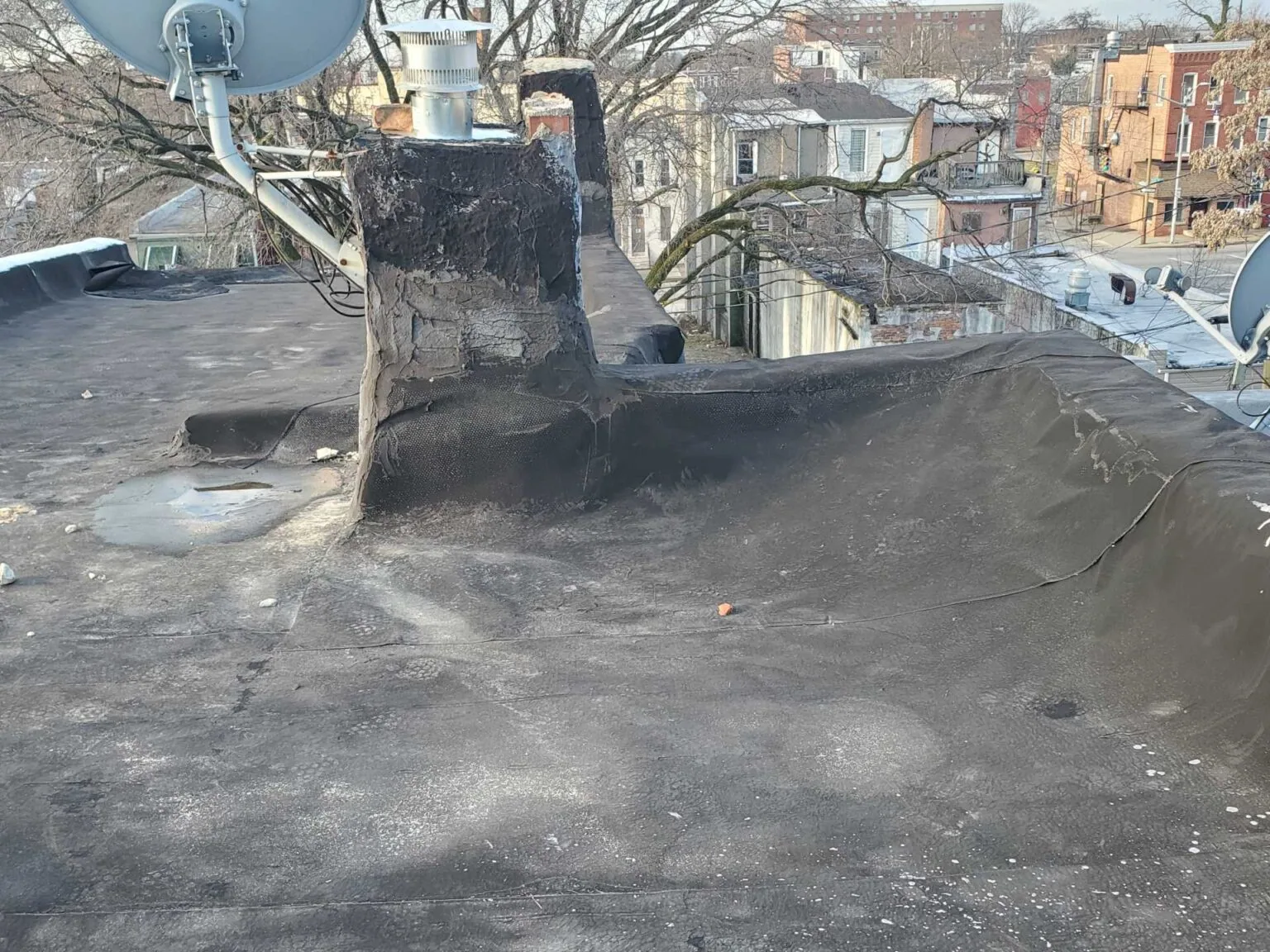
Snow on a roof does not automatically signal damage, but a leak after thaw deserves a careful look at the drain path, edge, and nearby transitions. We inspect the roof for displaced metal, open seams, blocked outlets, and areas where meltwater may have reached a detail. Historical weather conditions near Newark Liberty include winter snowfall, which supports seasonal maintenance planning without establishing a roof load or ice condition at a particular Elizabeth building. Elizabeth's commercial properties range from warehouses to hotels and retail, and access to their roofs may be constrained by operations below. We document what is visible, identify roof areas that need a closer review, and separate drainage work from membrane repair. The next step should match the assembly and the condition observed, not a broad assumption about every roof after winter weather.
Inspect Edges and Drainage First
During thaw, water may collect at a drain, scupper, gutter, or low point that is partly blocked by debris or ice. We inspect the outlet, adjacent membrane, flashing, and discharge route before deciding whether clearing or repair is needed. A roof outlet can be open while a downstream leader remains obstructed, so we identify where roof work ends and another trade begins. Edges deserve attention where meltwater can back up behind coping or enter a transition. A drain and scupper repair can restore an outlet detail when the surrounding assembly remains sound. A commercial roof inspection can map several areas and compare a reported interior leak with roof conditions above it. We photograph the drain path and the condition around it so maintenance staff can see what requires action.
Trace a Thaw Leak to Its Entry Point
A ceiling stain after snow melts may come from a seam, curb, wall transition, puncture, or outlet rather than the roof area directly above the room. We compare the interior report with membrane laps, penetrations, and drainage features, then follow the likely path through the roof assembly. Ice at an edge may direct water toward a weak flashing detail, while a blocked drain can lengthen the time water sits on the surface. We record each visible condition separately. If the likely entry point is a split lap, a seam repair may be suitable; if water has opened a wall or curb transition, flashing repair addresses that detail. A selective opening may be proposed when wet insulation or deck could change the scope. The owner reviews the finding before removal continues beyond the approved area.
Do Not Infer Roof Capacity from Snow Cover
A roof walk after winter weather cannot establish a building's structural capacity or the amount of snow it can safely carry. If a property contact observes sagging, unusual movement, or another structural concern, keep people out of the affected area and involve a qualified structural professional. We can inspect accessible roofing conditions after access is cleared, documenting seams, drains, flashing, and visible damage without making an engineering determination. A water stain or a drift pattern may help identify where to look, but it does not prove a hidden deck condition. Elizabethport and Midtown Elizabeth have older infrastructure needs, yet those area conditions do not establish the age, loading, or structure of a specific roof. We keep the roof repair scope separate from structural review and state any hold point that affects installation or access.
Repair the Confirmed Roof Detail
Once the roof is safe to access, we match the repair to the installed system. A thermoplastic membrane may need a prepared and welded patch, while built-up roofing may call for compatible layered material and surfacing. Metal edges require attention to fastening, joints, and water direction. The repair should reach sound material and leave a tie-in that can be reviewed at closeout. If ice or meltwater has affected multiple zones, the owner can compare localized work with broader restoration. We identify removal depth, access needs, wet insulation, and edge corrections as factors that change timing and cost. A built-up roof assembly and a TPO system have different seams and repair methods. A hail-damage review may be useful when impact marks appear alongside winter-related conditions, but each observation remains distinct.
Plan Access for Elizabeth Buildings
Midtown Elizabeth and Elizabethport include commercial corridors where roof access, staging, and delivery paths need confirmation at the property. A building's location does not establish a clear lift area or a route for removing snow-damaged material. We coordinate with the owner about roof entry, tenant paths, loading hours, and any area below that needs protection. Along the North Avenue corridor, port-related truck traffic operates beside retail, hotels, and warehouses; the actual delivery approach depends on the site. Near the Elizabeth Riverfront, roof drainage and site drainage may connect to different work scopes, so the outlet and discharge boundary should be identified. The crew can sequence small areas and close each work zone before leaving. If weather changes during the repair, the open area is protected and the owner receives a revised work sequence.
Set a Seasonal Follow-Up Point
Closeout records roof zones inspected, repairs completed, photographs, and any outlet or flashing condition held for later work. A follow-up after the next rain or thaw can show whether water still collects and whether a repaired tie-in remains closed. The record should identify inaccessible areas rather than imply that the entire roof was reviewed. A condition report by roof zone can help facilities staff compare winter observations with maintenance work later in the year. Flood or storm-surge concerns along low-lying Elizabeth River areas are separate from snow and ice on a particular roof. We keep those conditions distinct and inspect the actual membrane, edge, and drain. At an Elizabethport warehouse or a Midtown Elizabeth retail property, the next maintenance interval should follow the observed roof condition and operations, not the neighborhood label.
Commercial Roofing Questions
Does snow on a flat roof require immediate removal?
Snow cover alone does not establish a structural problem. If staff observe unusual movement or sagging, they should keep people away and contact a qualified structural professional. Roofing access should wait until the owner confirms the area is safe. We can then inspect drains, seams, and visible roof details.
Why can a leak appear after the snow melts?
Meltwater may reach a seam, curb, or drain that was not exposed during colder weather. A blocked outlet can also leave water at a weak detail longer. We compare the room report with roof conditions and record the likely entry area before recommending a repair.
Can you clear ice from a roof drain?
We inspect the roof outlet and identify the blockage and surrounding membrane condition. The method must not damage the roof surface or push debris into a downstream line. If the leader or site connection is obstructed beyond the roofing assembly, the scope identifies that separate trade.
How do you tell an ice problem from a flashing leak?
At the affected edge or curb, the inspection follows the flashing and drain path where meltwater could collect or reverse direction. The repair record separates a visible opening from a blocked outlet or an interior stain. A single inspection may find more than one condition, and each receives its own boundary.
What should be checked after a thaw?
Look for active water inside, blocked drains, displaced edge metal, and new openings around curbs or penetrations. Avoid roof access if conditions are icy or the owner has not cleared the area. Share the leak location and prior repair history so the roof walk can focus on relevant details.
Arrange a Snow and Ice Roof Review
Share the thaw or leak timing, affected rooms, roof records, and access limits. We will inspect cleared areas and document the roof conditions that need repair.