
Coast Guard Station Roofing in Elizabeth, NJ
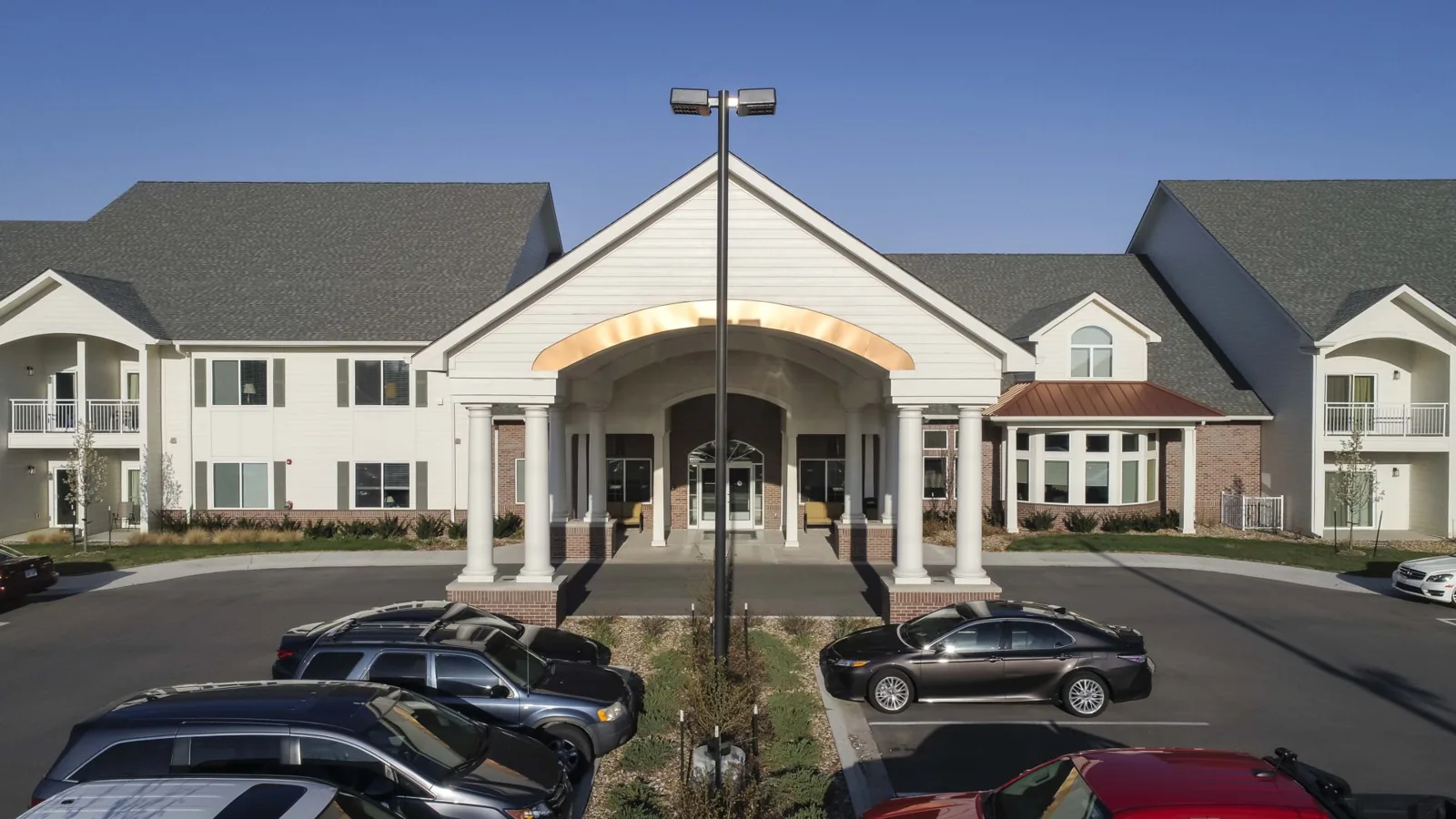
Elizabeth’s working waterfront includes port, warehouse, and support buildings alongside busy service routes. Roof access and equipment vary by property, so location alone does not establish a particular assembly. We start with the building in front of us: its membrane or metal panels, edge details, drains, penetrations, and the schedule that keeps the operation moving.
A clear roof review separates the reported leak from the repair boundary. Share available drawings, access instructions, previous work records, and any operating windows. We inspect accessible conditions, photograph the relevant details, and explain what can be repaired, what needs further investigation, and how an occupied facility can keep its work areas controlled.
Trace Water Across the Assembly
Water can travel beneath a membrane, along a deck, or around a curb before it appears inside. We compare the interior report with seams, terminations, penetrations, drainage, and the roof-to-wall transition above it. A surface patch without that check may leave the entry point open. The report identifies what was observed and where a follow-up opening would answer a remaining question.
A roof near the Port of New York and New Jersey can sit within a complex transportation setting, but the maritime label does not tell us whether the property has a membrane, metal panels, or multiple additions. We verify the system and substrate at the site. Then we identify fasteners, laps, edge metal, pipe supports, equipment curbs, and drain paths that could affect a repair tie-in.
When a leak has interrupted operations, commercial leak repair can address the immediate path while a wider review checks the assembly. A condition inspection gives the owner a broader record. Both scopes should identify the areas reviewed and the work included.
Check the Details That Open First
After a reported wind or hail event, we inspect exposed edges, seams, fasteners, and penetrations for visible changes. The event alone does not establish that a particular building was damaged. After a storm, we look for lifted edge metal, displaced fasteners, punctures, split flashings, and loose material at transitions. A close inspection can sort visible damage from pre-existing wear and direct any temporary protection to the affected roof zone.
Drainage deserves a separate look at each property. We check whether drains and scuppers are open, whether water has a clear path, and whether a discharge issue belongs in the roofing scope or needs another trade. We do not infer roof elevation or water history from location.
For emergency conditions, emergency roof response can secure an active opening before a permanent scope is set. A defined roof repair then records the tie-in and limits. If storm damage involves an insurance file, claim documentation support can organize photographs and repair notes without promising how a carrier will decide coverage.
Set a Work Window Around Operations
Before material reaches the roof, the owner and facility representative should agree on the access route, escort needs, lift locations, delivery timing, and the boundaries of the active work zone. Base access and escort procedures may apply at military installations in general. We follow the property's instructions and schedule; we do not assume access or an operating window from the facility name alone.
Work is divided into sections the crew can close or protect before leaving. The daily sequence accounts for weather, occupied rooms below, equipment clearance, debris removal, and a safe route for personnel. A representative can confirm which areas are available and identify any operation that cannot pause. If the roof assembly differs from records, photographs and a written change scope let the owner decide how to proceed before removal expands.
Elizabethport and Midtown Elizabeth are commercial areas with older infrastructure needs. Their street and loading conditions are not a substitute for a property visit. We verify the actual staging surface, access point, and delivery route. For sites with a harbor-facing or restricted perimeter, the responsible facility contact determines the permitted route and timing before the crew mobilizes.
A phased occupied-building reroof can keep work boundaries visible while interior spaces remain active. A military-property roofing plan can also incorporate owner-directed access and escort procedures where they apply. The field sequence follows the site's approved controls and the roof's conditions.
Choose Repair, Recovery, or Replacement
A repair fits when the defect is limited and the surrounding material can accept a compatible tie-in. We identify the repair boundary, inspect adjacent seams or panels, and state whether insulation, cover board, or deck condition needs further review. If damage extends beyond the visible opening, the owner receives photographs and a description of the added area before the work changes.
Recovery may be possible when the existing assembly is suitable and moisture conditions support it. Replacement becomes more appropriate when the roof has widespread failure, repeated incompatible repairs, or substrate conditions that cannot support a sound restoration. Those decisions depend on the assembly, drainage, edge conditions, attachment, and the building's operating constraints, not its agency or use label.
Where an existing low-slope roof is sound enough for a restoration, coating restoration may be considered after adhesion and moisture checks. A standing-seam metal assembly needs panel-specific detailing rather than a membrane patch. If the roof joins a flex-industrial property, we inspect each tie-in.
Leave a Roof Record That Can Be Used
Closeout identifies the system encountered, repaired details, completed zones, and conditions left outside the agreed scope. Photos can show laps, fasteners, edge metal, drains, and penetrations before they are covered. We pair them with a roof map and notes on access limitations, so the property file can distinguish inspected areas from areas that were not available.
Schedule a review when leaks recur, storm conditions expose a detail, or a capital plan needs a defensible scope. Share operating restrictions, available roof records, and the history of repairs. Commercial Roofers Elizabeth can inspect accessible areas and outline a repair or replacement sequence around the actual building and its work controls.
For a nearby commercial roof with a different occupancy pattern, warehouse roof planning may involve loading and shift access. Elizabethport and the North Avenue corridor are broader Elizabeth areas, not individual facility targets. We keep the roof scope tied to the property under review.
Commercial Roofing Questions
What should be ready before a roof crew arrives at a restricted property?
The facility representative should confirm access instructions, escort requirements, delivery and lift routes, permitted work hours, and any zone that must remain clear. We use those limits to build the work sequence and identify where the crew can stage material. Any change is reviewed with the owner before the route or boundary is altered.
Can a leak be repaired before the entire roof is evaluated?
Yes, when the owner needs an immediate response. We document the affected area, apply a suitable temporary measure when conditions allow, and explain what permanent repair remains. A broader inspection can follow if the assembly or adjacent details show a wider issue.
How do you distinguish storm damage from existing wear?
We photograph the observed condition, compare affected details with nearby roof areas, and record what can be seen at the time of inspection. That helps the property representative understand the repair scope. It does not establish a hidden condition or decide an insurance claim.
What roof records help with a repair estimate?
Previous scopes, roof-system information, drawings, leak locations, access rules, and any known equipment work help define the review. We still verify visible field conditions, because records may not show later repairs or concealed layers. The estimate identifies assumptions and any area that needs additional investigation.
How is an open roof section protected at the end of a shift?
The daily work area is sized so it can be closed or secured before the crew leaves. We check temporary terminations, fasteners, drains, debris, and the boundary with the next zone. The facility contact receives an update identifying the completed area and anything that remains scheduled.
Arrange a Maritime-Property Roof Review
Share access instructions, operating limits, roof records, and the known leak or repair history. We will inspect accessible conditions and explain a practical repair or replacement sequence.