
National Guard Armory Roofing in Elizabeth, NJ
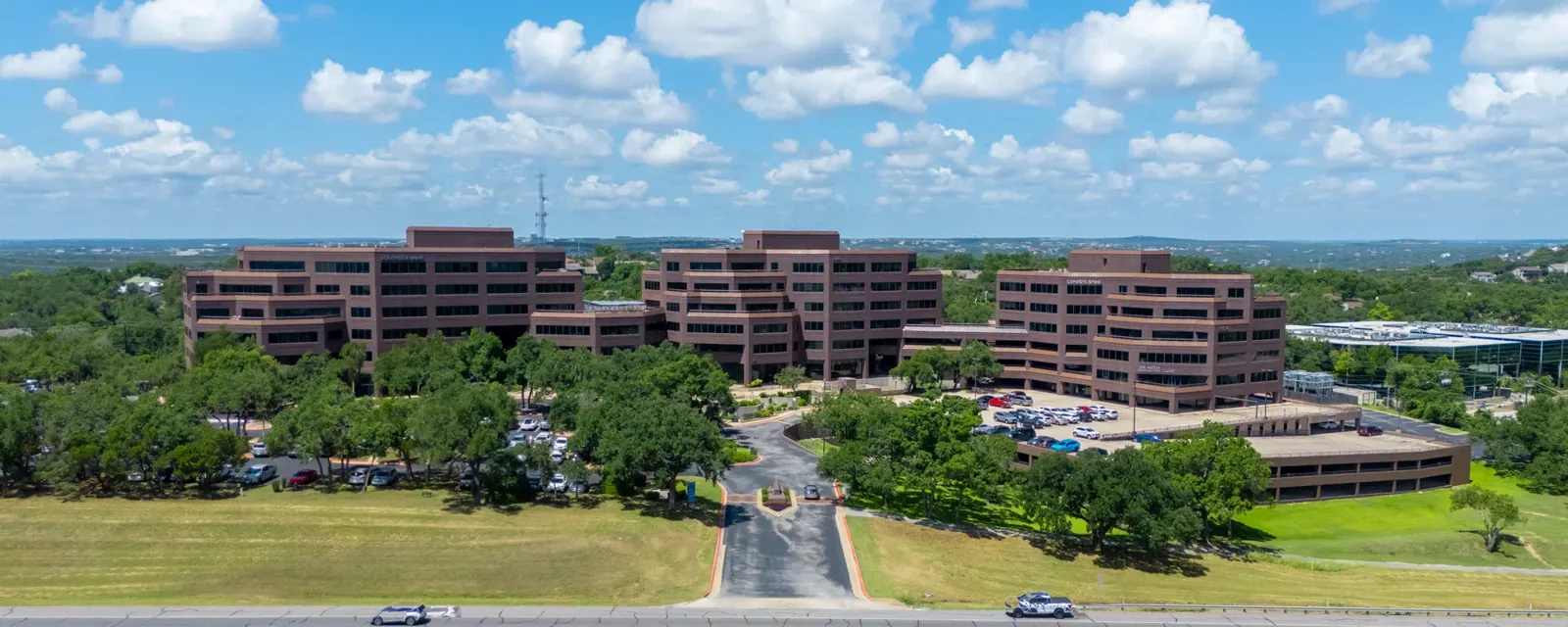
An armory roof serves a working property where access, equipment, and schedules have to be settled before the first lift arrives. The New Jersey Army National Guard readiness center in Newark is about six miles west of central Elizabeth. That location is a useful part of the regional picture, but it does not tell us the roof type or condition at any individual building. We inspect the assembly, trace the reported issue, and set a repair boundary that the facility representative can review against the site's operating limits.
Share roof plans, prior repair records, access instructions, and the zones that need to remain available. A site walk confirms where crews can enter, where materials can be staged, and which sections can be closed during the shift. The scope explains what is visible, what needs further review, and how the work can proceed without treating an armory like an empty warehouse.
Start With Roof Zones and Access
We divide a broad roof into identifiable zones and note seams, penetrations, curbs, edges, drains, and transitions at adjoining structures. That map gives the owner a clear way to connect a ceiling report with the roof area above it. Water may travel along insulation or the deck before reaching an interior space, so the inspection follows the assembly rather than stopping at the stain.
The Newark readiness center is an Army National Guard facility, not an active-duty Army base. The National Guard fact identifies a real nearby institution, not a property-specific roofing need. We do not infer that it has a particular membrane, metal panel, or roof defect. On the building under review, visible laps, fasteners, edge metal, and drainage determine which details need attention.
Elizabethport and the North Avenue corridor sit within a commercial region shaped by port-related activity. Their layouts do not establish the armory's access plan. We verify the truck route, roof access, lift setup, and staging limits with the facility contact.
A roof condition inspection can document several roof zones before the owner sets a capital scope. For an active leak, leak tracing focuses on the reported path and related details. The written record should keep those purposes distinct.
Separate Weather Exposure From Proven Damage
Strong wind, hail, and heavy rain can affect exposed roof details. Those conditions make a post-event check sensible, but they do not prove a specific armory roof was affected. After a storm, we look for lifted metal, displaced fasteners, membrane cuts, open laps, and impact marks, then photograph the conditions that support a defined repair.
After snow or freeze-thaw, the owner can schedule a roof walk to check drain paths and low areas; any structural load question requires review of the building and its design records. We inspect drains, scuppers, and low areas for conditions that could hold water, and identify any structural question that needs further review.
On a low-slope roof, water can enter at a seam, termination, curb, or penetration and move before it appears below. On a metal roof, fastener movement, a failed closure, or a transition can interrupt the panel's weather seal. The repair material must match the existing assembly. If an opening reveals wet insulation or damaged deck, photos and a change scope let the owner decide whether to extend the work.
When conditions require a rapid response, emergency roof repair can secure an opening while permanent work is evaluated. a defined repair scope then records the tie-in, affected zone, and exclusions. If water reaches a drain or scupper detail, drainage work can be included after the field check confirms what is needed.
Coordinate the Work Window
Military-property roofing may involve base access and escort procedures, badging, scheduling around mission operations, and roof work built to Unified Facilities Criteria requirements. Those are general considerations, not a claim that a particular site uses every control. The owner or facility representative confirms applicable procedures. We then plan crew arrival, deliveries, lift use, material routes, and the work boundary around the approved window.
Daily removal is limited to what the crew can restore or secure before leaving. The plan covers weather protection, debris, occupied rooms, equipment clearance, and temporary terminations. If concealed layers differ from drawings, we document the condition and wait for approval before expanding removal.
The North Avenue corridor connects port truck activity with retail, hotels, and warehouses. In Elizabeth, that corridor context makes delivery and staging a practical consideration for nearby commercial work. It does not establish the access plan at a National Guard property. We confirm gate instructions, turning space, lift position, and the sequence with the person responsible for site operations.
A military-property work plan can record owner-directed access controls and schedule limits. A phased occupied-building reroof can separate work zones when people remain below. The property representative approves both the route and the daily closeout point.
Choose a Scope the Assembly Can Support
A localized repair is appropriate when surrounding material can accept a compatible tie-in and the substrate is serviceable. We identify the repair boundary, inspect nearby seams or panels, and state whether a selective opening is needed. If the defect is part of broader deterioration, the owner receives the evidence and options before a small repair turns into a larger removal area.
Replacement may be the better choice when failures repeat across multiple zones, prior repairs no longer tie into sound material, or moisture extends beyond isolated areas. A recover is considered only after the existing assembly, attachment, drainage, and substrate are checked. The proposal explains work sequence, access needs, and what remains outside the scope so the facility can compare options on the same basis.
Warehousing, logistics, retail, manufacturing, healthcare, and local services contribute to Elizabeth's mixed-use business base. Older corridors such as Midtown Elizabeth and Elizabethport have noted infrastructure needs. Those facts set regional context; a property survey still determines the roof system, work sequence, and material choice.
A government-building roof scope can also call for clear work records and access planning. Where the building has a combination of service and production space, a flex-industrial roof review can help map separate zones. Neither building label replaces inspection of the assembly in place.
Keep the Repair Record Useful
Closeout shows the roof zone completed, system and materials used, repaired details, and conditions left for later review. Photos can capture seams, terminations, drains, fasteners, and curbs before they are concealed. We note any access limits that affected inspection and distinguish temporary protection from a permanent correction.
Arrange a review when a leak returns, a storm exposes a roof detail, or a capital plan needs a documented comparison. Share drawings, current access rules, known equipment changes, and repair history. Commercial Roofers Elizabeth can review the assembly, define the work boundary, and prepare options for the owner’s approved schedule.
Elizabethport and the North Avenue corridor are broader areas in the Elizabeth market. The roof decision remains tied to the property itself, the roof assembly identified at the property, and the access available for the work.
Commercial Roofing Questions
What access details should be confirmed before armory roof work?
The facility representative should establish gate entry, escort or badging rules, work hours, delivery routes, lift locations, and any mission activity that limits access. We use those instructions to plan the crew and daily work boundary. A change to access or timing is reviewed with the owner before the sequence is revised.
Does a nearby National Guard readiness center show that an Elizabeth roof needs repair?
No. The Newark readiness center is a nearby institutional fact, while the roof condition at any property must be inspected directly. We document visible conditions, trace reported leaks, and state what further opening or testing would be needed to confirm a concealed issue.
Can a roof section be repaired without replacing the full assembly?
It can when the defect is limited and surrounding material accepts a compatible tie-in. We inspect the substrate and adjacent details, then define the repair area. Widespread moisture, repeated failure, or an unsuitable substrate may make replacement or another broader option more practical.
How do you keep a work zone secure between shifts?
The daily area is limited to what the crew can close or protect before leaving. We check terminations, loose material, drains, and debris, then tell the facility contact what is complete and what remains.
Arrange an Armory Roof Review
Share available roof drawings, access instructions, operating limits, and repair history. We will inspect accessible conditions and outline a work sequence for the property representative to review.