
Spray Polyurethane Foam Roofing in Elizabeth, NJ
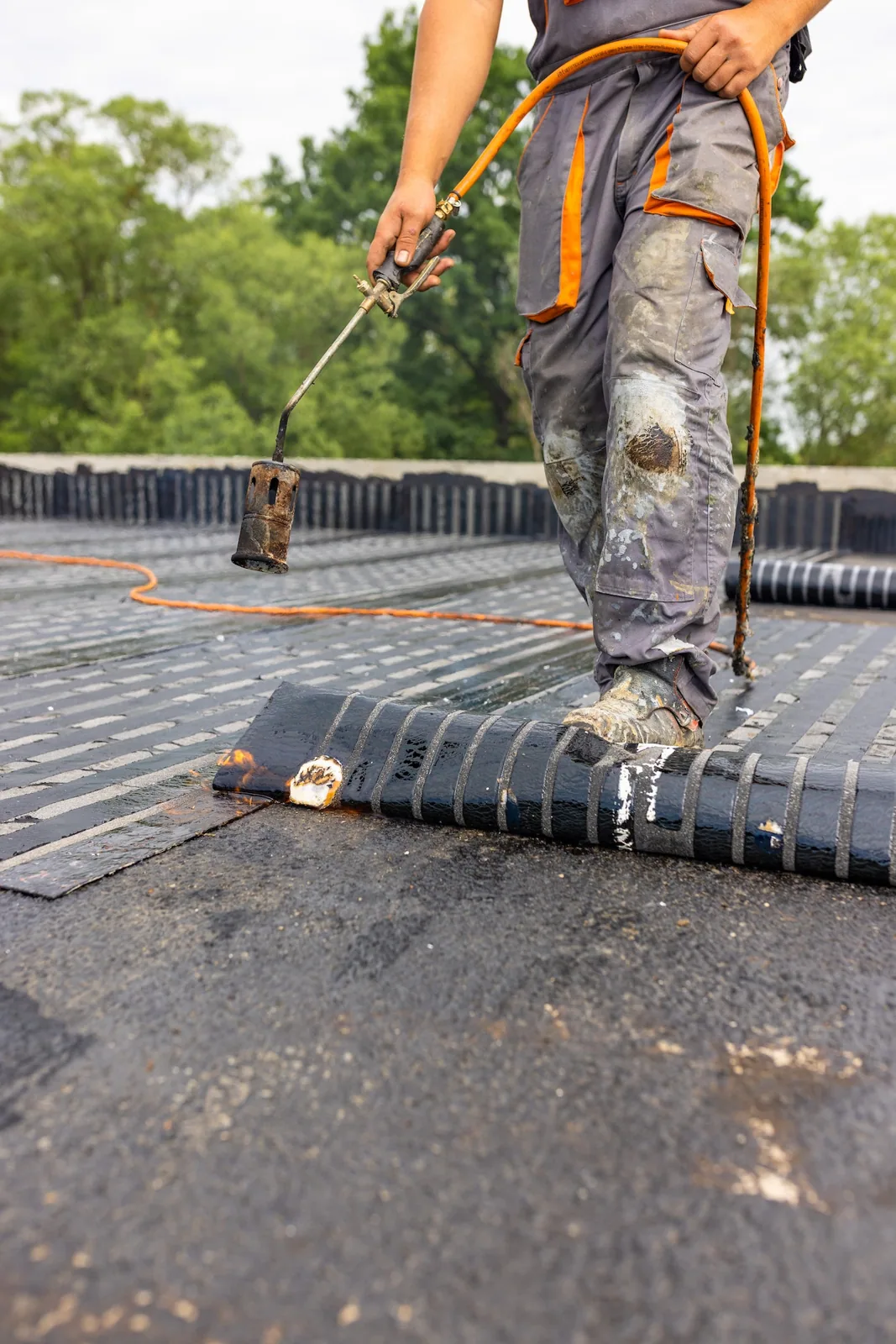
Spray polyurethane foam roofing forms an insulating layer over a prepared roof surface, followed by a protective coating system. On a commercial building in Elizabethport, application quality depends on substrate condition, weather, access, and protection of nearby equipment. We review those factors before recommending SPF. A foam layer cannot correct a weak deck or hide active moisture; the roof below must be evaluated first.
Elizabeth’s commercial properties include warehouses, retail, and other occupied uses. The crew plan should account for ventilation intakes, staging, access, and the schedule inside the building while application proceeds.
Prepare the Existing Roof Surface
Before application, we identify the existing membrane or deck, remove debris, and correct loose or unsound areas. Wet insulation, failed flashing, and active leaks need attention before the new foam is placed. The scope states what preparation is included and where selective openings or testing may be required to confirm concealed layers. Application over a contaminated or unstable surface risks poor adhesion and a roof that fails at its base.
We map drains, scuppers, curbs, parapets, skylights, and equipment supports. Those details need a plan for how the foam terminates and how the protective coating connects. Outlets must remain open, and equipment intakes or vehicles must be protected from overspray. The property contact can identify sensitive surfaces and access windows before the crew brings equipment to the roof.
Near the North Avenue corridor, a warehouse or hotel may remain active during the project. We coordinate deliveries and roof access with its operations team. The work zone should be isolated from pedestrian and service routes, with a clear procedure if wind or application conditions change.
Apply Foam in Controlled Passes
SPF is applied using specialized equipment and requires trained crews, appropriate protective measures, and suitable weather conditions. Temperature, moisture, wind, and substrate conditions can affect the finished layer. The crew monitors those conditions and pauses when they fall outside the system’s requirements. Application depth and coverage are checked across the roof rather than inferred from a single test area.
The foam should form a continuous layer without voids, missed areas, or overspray onto protected equipment. At roof edges and curbs, it is shaped to create the planned transition while preserving access and drainage. We inspect around penetrations and verify that the next coating layer can cover the surface uniformly. Any surface defect is corrected before it is buried beneath protective material.
For a property in Midtown Elizabeth, staging and ventilation deserve attention where work occurs near occupied areas. The owner should identify air intakes and sensitive operations so the crew can follow the project protection plan. We communicate the application window and any temporary access limits before work begins.
Protect the Foam and Roof Details
Foam roofing depends on a protective coating system that shields the foam from weather and exposure. The coating type, coverage, reinforcement, and maintenance interval follow the selected system. Surface preparation and dry conditions matter at this stage as well. We check thickness or coverage as required and address pinholes, thin areas, and transitions before the coating is accepted.
Drains, scuppers, penetrations, and edge terminations remain critical. A drainage review can confirm outlets and water paths, and penetration flashing can address curbs or equipment transitions. The coating should not bridge an open drain or conceal a failed flashing. At a parapet, the connection must protect the edge and maintain the intended discharge route.
Some systems use silicone coating or acrylic coating over foam, depending on the assembly. These products differ in properties and application needs. We specify a compatible system and explain how the foam, coating, and reinforcing details work together. The owner should keep product information with the roof file.
Coordinate Application With Building Use
SPF equipment, material staging, and overspray protection require a planned work area. We confirm approved roof access, delivery routes, surrounding surfaces, and the locations of vehicles, equipment, and air intakes. Wind may change where application can proceed. If conditions shift, the crew protects the active section and reschedules rather than applying outside the system requirements.
Occupied buildings may need notices about noise, ventilation, or temporary restrictions. The property contact identifies rooms or processes that must remain protected and provides a point of contact during the shift. We keep roof drains and emergency routes available and clean overspray or debris from approved areas before closeout.
If application reveals a damaged substrate or moisture, we stop and document the condition. The owner decides whether repair or removal is authorized before the scope expands. The daily record notes the work zone, conditions, material applied, and any area left for follow-up. This helps the property team understand what was completed before the crew moves to another section.
Maintain the Foam Roof System
At closeout, we inspect the protective coating, foam transitions, drains, penetrations, and edge conditions. The record identifies completed areas, application limitations, and any maintenance items. Keep photographs and product records accessible to the property manager. Rooftop trades should use approved paths and repair any cut or damaged protective layer promptly.
A maintenance visit can examine coating wear, punctures, debris, and drainage. A roof inspection can document the broader assembly. Request an SPF review when the protective coating is worn, water persists, or rooftop work has disturbed the foam. Share the roof history, access limits, and known damage so the inspection can focus on the affected areas.
Commercial Roofers Elizabeth can review accessible roof conditions and explain whether repair, recoating, or another system is appropriate. The recommendation follows the substrate and protective layer found at the property. A new coat should not be treated as a substitute for correcting wet or unstable underlying material.
Repairs to foam begin by identifying whether damage is limited to the coating or extends into the foam itself. Loose coating, exposed foam, punctures, and wet areas need different preparation. We remove unsound material to a stable edge, dry the area as required, and rebuild the foam and protective layers in sequence. A surface coat applied across a damaged core can leave the roof vulnerable beneath a clean appearance.
The closeout file should explain what coating was applied, which sections were repaired, and where the owner should monitor future wear. If the roof includes different coating ages, mark those transitions for later review. That information helps a service crew select a compatible repair and avoid covering a concealed defect.
Commercial Roofing Questions
What protects spray foam from weather?
A compatible protective coating covers the foam and must be maintained as the system requires. The coating’s coverage, reinforcement, and transition details should be checked at installation and during later roof reviews.
Can SPF be applied over an existing roof?
It depends on substrate condition, moisture, compatibility, adhesion, and system requirements. Loose or wet materials need correction first. The inspection should identify preparation and any test opening needed before application.
How does wind affect foam application?
Wind can affect placement and overspray control. The crew should monitor conditions, protect surrounding surfaces, and pause when the selected system’s requirements cannot be met. The property plan should identify nearby vehicles, equipment, and air intakes.
Can the foam roof be walked on?
Access should follow the system design and property rules. Use designated paths and avoid dragging tools or equipment across the protective coating. A damaged area should be reported and repaired with compatible materials.
How often should an SPF roof be inspected?
Inspection timing follows coating condition, rooftop traffic, drainage, and the system’s maintenance guidance. Check after other trades work on the roof and after severe weather. Record coating wear and any punctures for prompt repair.
Review an SPF Roof
Share the existing roof type, coating history, known moisture, access limits, and application concerns. We will inspect the assembly and explain suitable next steps.