
Commercial Roof Edge Metal, Coping, and Gutters in Elizabeth, NJ
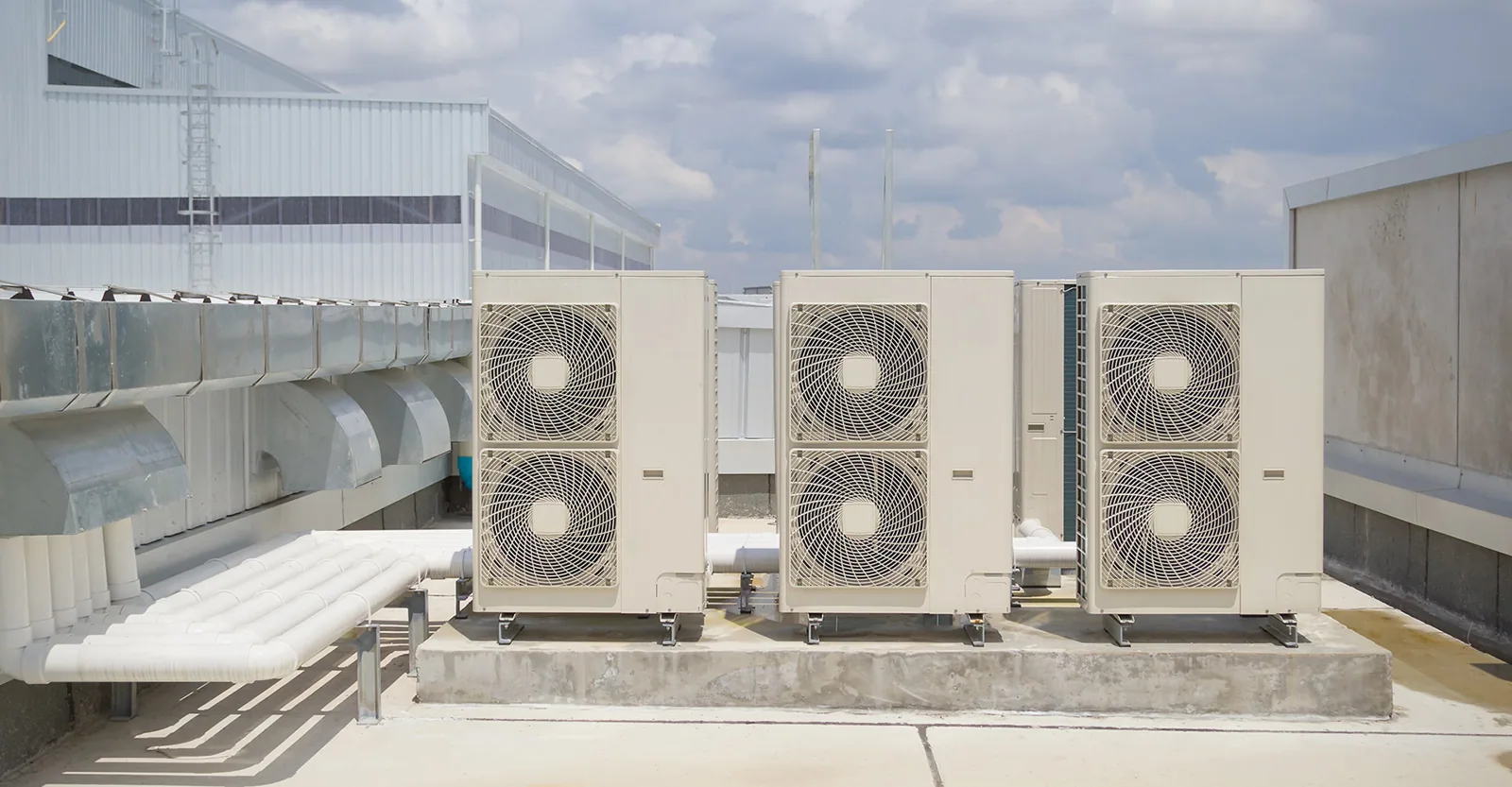
A loose coping joint can admit water before a leak appears inside. On a commercial building in Elizabethport, the roof edge also has to connect cleanly to membrane, fascia, gutters, and the wall below. We inspect these transitions for movement, open seams, failed sealant, corrosion, and attachment concerns. The repair boundary should reach sound material and protect the assembly without trapping water behind metal.
Elizabeth’s low-lying riverfront and its higher ground toward the Turnpike present different site conditions. Roof drainage and edge discharge need to be reviewed at the building, with attention to where water leaves the roof and how the detail handles it.
Inspect the Edge as a Connected Assembly
We start at corners and changes in direction, then follow the coping, fascia, drip edge, gutter, and downspout path. The review includes laps, cleats, fasteners, joints, sealant, and how the roof membrane terminates. A visually straight metal run may still have a loose joint or a missing connection beneath its cover. We check for movement and water marks rather than assuming that a bead of caulk will correct the condition.
At parapets, coping must shed water outward and remain secure at the wall. The cap, cleat, splice, and end condition each affect how wind and water interact with the assembly. At a low eave, the drip edge should carry water into the gutter rather than behind the fascia. If the metal is bent, corroded through, or poorly attached, the scope may require replacement of a section and a new tie-in to roofing materials.
Near the North Avenue corridor, commercial buildings include warehouses, retail uses, and hotels. Their roof edges may meet different wall finishes and equipment layouts. We note access restrictions, adjacent property conditions, and where a lift or fall protection is needed. The work plan also identifies how pedestrians and building operations will be kept clear of the repair zone.
Repair Coping and Metal Terminations
Before replacing edge metal, we check the substrate and attachment surface. New metal cannot hold if the nailer is deteriorated or the parapet face has lost integrity. The scope identifies removal limits, substrate repair, cleat or fastener placement, joint spacing, and the interface with the roof membrane. At corners, the fabrication and splice need a neat return that does not leave an open path for water.
Where a membrane ends at the edge, we inspect the termination bar, compression, flashing height, and compatibility of materials. A roof recover may require a revised edge detail because additional roof layers change elevation. If the existing field is failing broadly, a replacement scope can coordinate the membrane and metal work as one assembly. We explain when a localized edge repair is appropriate and when the broader roof condition changes that choice.
At gutters, we look for slope toward outlets, secure hangers, open seams, and overflow marks. A gutter that holds water may need cleaning, adjustment, or replacement depending on its condition and support. Downspouts must remain connected and discharge to an appropriate location. We do not redirect site water without confirming the property’s requirements. The proposal distinguishes roof-metal work from any separate site drainage or masonry repairs.
Keep Water Moving Beyond the Roof Edge
A sound edge is part of the drainage path, not just a finished border. We check whether water runs into the intended gutter or scupper and whether an overflow route remains clear. We trace the actual discharge path and roof geometry to see whether the edge, gutter, and overflow move water away as intended.
When water backs up at an outlet or collects near a parapet, the problem may extend beyond coping. A drain and scupper review can evaluate outlet openings, crickets, and ponding. For active leakage at a wall or edge, our leak repair service traces the entry point and checks the adjoining membrane. We document each transition and avoid sealing over an outlet that needs to remain open.
If the wall connection is concealed, a limited opening may be needed to see how the metal and membrane meet. We explain what the opening is intended to confirm and how it will be closed. Uncovered damage to blocking, deck, or interior wall finishes can change the scope. The property contact receives photographs and a description before additional work proceeds.
Stage Metal Work Around Building Operations
Metal fabrication, removal, and installation can affect access below the roof edge. We plan delivery, lift placement, debris control, and work hours with the property contact. The crew protects windows, equipment, landscaping, and pedestrian routes while metal is handled above. For an occupied storefront or warehouse, a predictable sequence helps staff and tenants understand which entrance or service path is affected.
We remove only the sections needed to complete the approved tie-in and keep the roof protected between shifts. New pieces are checked for fit, attachment, laps, and alignment before the final termination is secured. Sealant is used where the detail calls for it, not as a substitute for proper metal geometry. We photograph corners, joints, and connections that will be difficult to see once the work is complete.
A roof inspection can record adjacent conditions before the repair. If the edge work is part of a larger restoration, our coating restoration scope or other roof plan should identify the metal tie-in clearly. For a property in Midtown Elizabeth, the project contact can coordinate access and occupant notices before staging begins.
Review the Completed Edge
At closeout, we check that coping joints, drip edges, gutters, and downspouts are secure and that roof membrane terminations are continuous. The record shows repaired areas, materials, and any condition that remains outside the approved scope. If a gutter or downspout serves a larger site drainage system, the owner should include that connection in routine inspection.
Arrange a roof edge review when metal shifts, a gutter overflows, water stains appear below a parapet, or a recent roof project changed the surface height. Commercial Roofers Elizabeth can assess accessible details and explain whether the correction is a local metal repair, a membrane tie-in, or part of a broader roofing scope.
Commercial Roofing Questions
When should coping be replaced instead of resealed?
Replacement is worth evaluating when metal is loose, deformed, corroded through, or attached to a failing substrate. Sealant may address a compatible joint, but it cannot restore secure attachment or correct an opening that spans the assembly. The inspection should identify the failed component.
Can a new roof change the height of the edge detail?
Yes. A recover or added roof layer can raise the finished surface, which may affect flashing height, coping geometry, and terminations. The edge should be reviewed as part of the planned roof assembly so the new layer connects to properly sized metal.
Why does water run behind a gutter?
Possible causes include a misaligned drip edge, inadequate gutter slope, an open seam, overflow, or a connection that has shifted. The review should follow the water path from the roof edge through the gutter and downspout before choosing a repair.
Does roof edge work include masonry or wall repairs?
Not automatically. The roofing scope can identify a damaged nailer or wall interface, but masonry, structural, and interior finish work may require separate trades. The proposal should state which substrate corrections are included and how concealed conditions will be handled.
How do you protect people during coping or gutter repairs?
We coordinate lift placement, work hours, pedestrian routes, and delivery access with the property contact. The crew controls debris and marks areas below the active work. An occupied property may need notices or temporary route changes before material is removed above an entrance.
Request an Edge Detail Review
Share photographs of the coping, gutter, or leak area along with roof access limits. We will inspect the connected details and explain the repair boundary.