
Cool Roof Installation for Commercial Buildings in Elizabeth, NJ
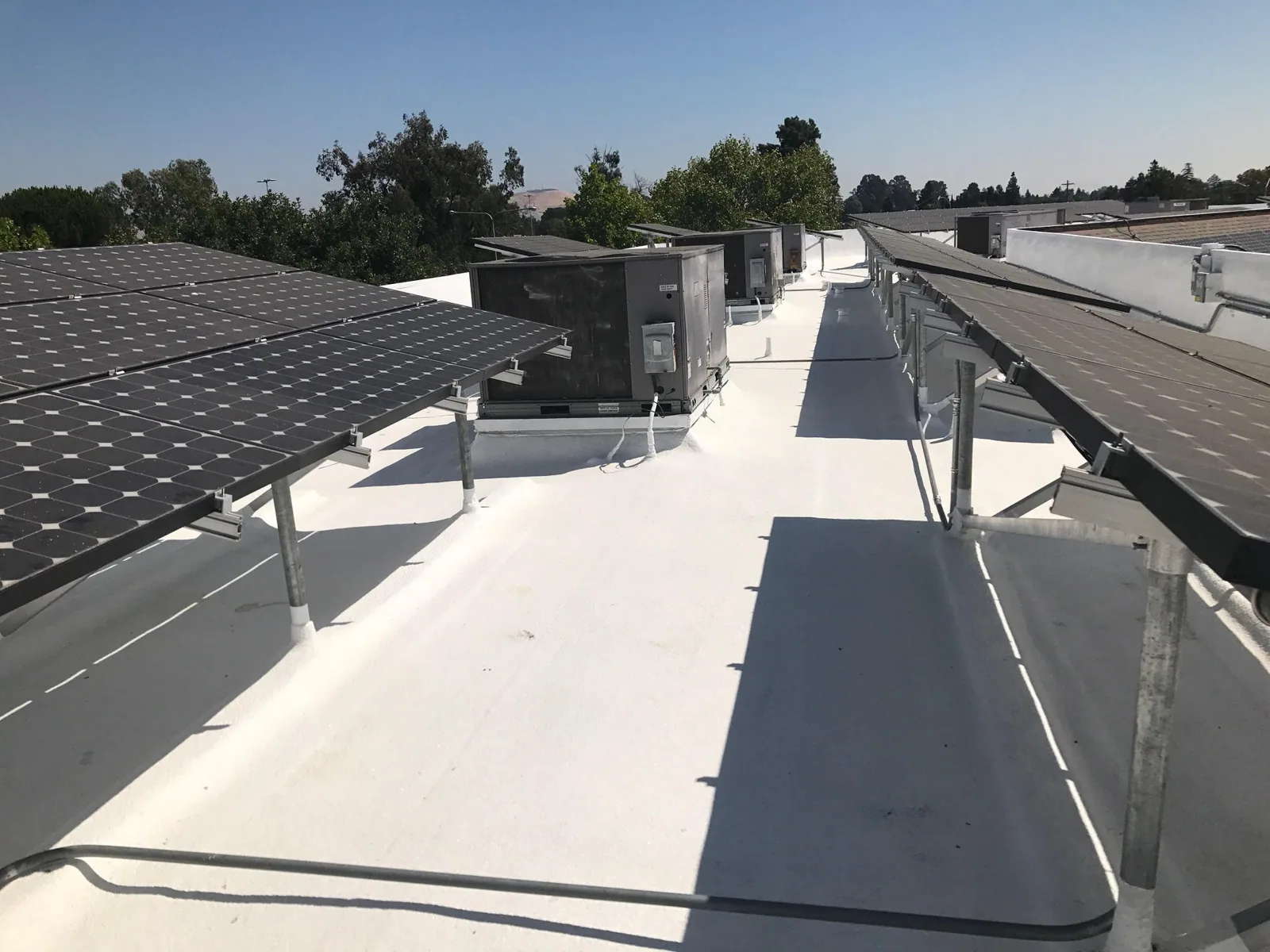
A reflective roof can change how the roof surface responds to sun, but the finish is only one part of the assembly. On a commercial property in Midtown Elizabeth, we first check the existing membrane, insulation, drainage, and rooftop equipment. A light-colored surface cannot correct wet insulation, open seams, or a low area that holds water. The proposed system needs to fit the roof in front of us and the way the building is used.
Elizabeth’s business mix includes warehouses, retail, healthcare, and local services.Reflective roof work can change surface temperatures, but it does not resolve a weak deck, blocked outlet, or wet insulation. On a Cranford property, as elsewhere, we review those conditions first and identify what preparation the chosen system needs. The work plan can then address access, application conditions, and protection for occupied areas without assuming every building supports the same coating. At each property, a warehouse roof may carry mechanical units while a nearby retail space has different occupancy and service access. We record the actual conditions rather than assuming one reflective assembly fits both.
Evaluate the Roof Before Selecting a Reflective Finish
We inspect the membrane and details for wear, open laps, failed flashing, punctures, and prior coating. If the roof is being restored rather than replaced, the existing surface must be suitable for the selected coating. Adhesion, moisture, and repair history affect that decision. A finish should not be applied over a weak substrate just to change color.
Drainage remains part of the evaluation. We locate drains, scuppers, overflow routes, and low spots, then consider whether the current assembly moves water as intended. A reflective coating will not change roof slope. If ponding persists, a drainage correction or tapered work may be needed before a finish is considered. We identify those separate tasks so the scope does not imply that one layer solves unrelated conditions.
Equipment curbs, pipe supports, skylights, and roof edges can limit how a system is installed. We map penetrations and access routes, including the areas that another trade may need to reach later. Near North Avenue corridor, an operating warehouse may need clear delivery and service lanes. The work plan should protect those routines while allowing the crew to prepare and coat the roof in controlled sections.
Compare Coating and Membrane Options
Reflective options include coated systems and membranes with light-colored surfaces. The right choice depends on the existing roof type, substrate condition, attachment, details, and how much restoration is needed. We review the manufacturer’s system requirements and specify preparation, reinforcement, application conditions, and inspection points. A coating may be considered where the roof is stable and compatible. A membrane replacement may make more sense when the old assembly has widespread moisture or failed attachment.
Silicone and acrylic coatings differ in water exposure, flexibility, and application constraints. We do not select from a color sample alone. The scope should state the surface preparation, primer if required, detail reinforcement, number of coats, target coverage, and how thickness will be checked. If testing identifies poor adhesion or widespread wet insulation, the recommendation changes before the owner commits to a restoration.
A coating restoration can renew a suitable roof surface after repairs and preparation. If the existing roof needs another layer, a recover option may be reviewed, subject to assembly condition and code. A replacement roof allows damaged insulation or deck conditions to be addressed more fully. We explain the tradeoffs without promising a particular energy bill or indoor temperature outcome.
Prepare and Install in Defined Work Zones
Surface preparation is a major part of a reflective roof project. We remove loose material and debris, clean the substrate using the specified method, and allow it to dry before application. Failed seams, flashings, and penetrations are repaired first. A damp or contaminated surface may prevent a bond, so the crew checks conditions instead of coating through a schedule that no longer fits.
Work proceeds in zones that can be prepared, detailed, coated or covered, and inspected in sequence. Wind, temperature, and moisture can affect installation and cure. If conditions fall outside system requirements, the crew pauses. Materials are staged away from drains and equipment intakes. The property contact receives notice when access changes or an active area moves over occupied space.
Edges, curbs, drains, and expansion joints need compatible transitions. The crew reinforces details as specified and keeps outlets open. For an occupied building, we coordinate odors, noise, delivery paths, and any temporary restrictions with the property manager. A clear schedule reduces conflict with tenant activity while ensuring roof protection is not left incomplete before leaving the roof.
Check the Finished System
When installation is complete, we inspect the field, seams, flashings, corners, terminations, and drainage openings. The record identifies areas completed and any condition that limited access or coverage. If coating thickness or membrane attachment needs verification, the closeout process follows the selected system requirements. The property team receives the materials and maintenance information relevant to the installed roof.
New Jersey’s construction-code schedule identifies the current building-subcode edition and adoption timing. Roof replacement, insulation, and reflective-system work may have project-specific requirements, so owners should confirm the code and permit path that applies to their scope. We provide roofing assembly details for coordination but do not substitute a generic statement for project review.
A roof inspection can document the baseline before future service. A maintenance review can track punctures, debris, drainage, and detail wear after installation. Keep the product information and photographs with the roof file, especially before another trade adds equipment or penetrations.
Choose a Roof Plan That Fits the Building
A reflective surface is one design choice among roof durability, drainage, insulation, service access, and construction sequence. We compare options against current conditions and identify the work needed before installation. If the roof is not a sound candidate for a coating, we explain why and describe the next practical scope. The selected finish must remain serviceable at every penetration.
For a commercial roof in Elizabeth, share the existing system if known, any leak or ponding history, roof access limits, and building schedule. Commercial Roofers Elizabeth can review the assembly and provide a scope tied to the property, with preparation, details, and closeout steps clearly stated.
Commercial Roofing Questions
Will a cool roof lower our energy costs?
A reflective surface may affect heat absorbed at the roof, but actual energy use depends on insulation, HVAC equipment, occupancy, controls, and weather. We do not promise a savings amount. A property team can compare project costs with its own operating data and design assumptions.
Can reflective coating be applied over an old roof?
Only when the existing assembly is suitable and compatible with the selected system. The inspection checks moisture, adhesion, seams, flashings, and substrate condition. Extensive wet insulation or unstable attachment may require removal or another roof scope.
Does a reflective coating fix ponding water?
No. A coating changes the surface layer, not roof geometry. Persistent ponding may need outlet cleaning, drainage correction, tapered insulation, or a broader assembly repair. The condition should be evaluated before a finish is selected.
How do you plan cool roof work at an occupied property?
We coordinate staging, roof access, application conditions, noise, and any odor or access restrictions with the property contact. Work is divided into manageable zones so the active roof area can be protected and completed in a planned sequence.
What maintenance is needed after installation?
Inspect for punctures, debris, open details, blocked outlets, and damage from rooftop trades. Keep the installed system information and repair records. The inspection interval should reflect building activity, access, and the roof condition rather than assuming a coating eliminates service needs.
Compare Reflective Roof Options
Share the existing roof type, leak history, drainage concerns, and operating schedule. We will review the assembly and explain whether restoration or replacement is suitable.