
Solar-Ready Commercial Roofing in Elizabeth, NJ
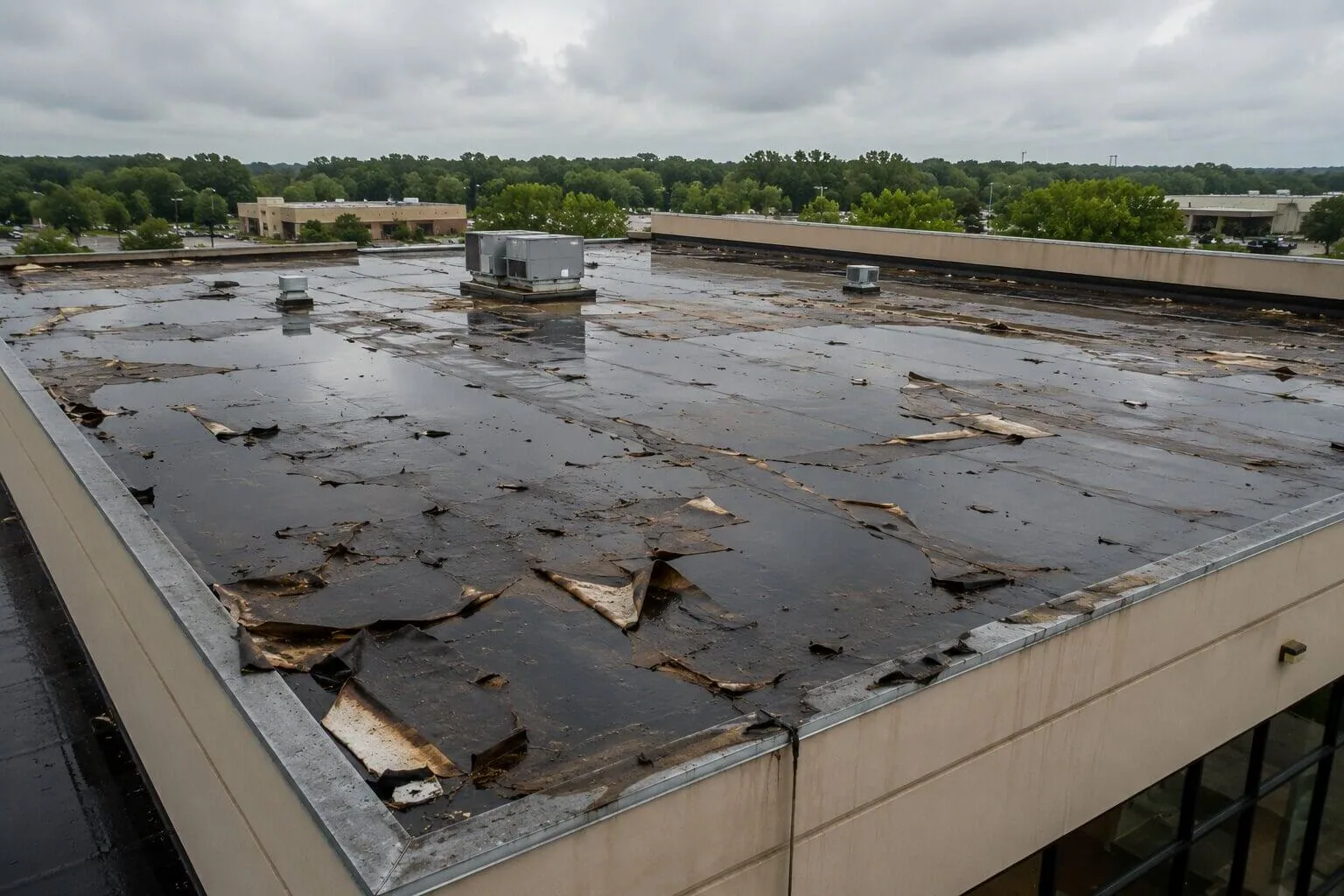
Solar planning starts with the roof that will carry the array. On a warehouse in Elizabethport, a flat membrane field may look open until drains, curbs, access paths, and future equipment are mapped. We review the roofing assembly and identify conditions that should be corrected before solar work begins. A roof should not be called solar-ready until its condition, structure, and project interfaces have been checked by the right professionals.
Elizabeth’s commercial inventory includes logistics, retail, healthcare, and local services. Each property may have different operating windows and roof access limits. We coordinate the roofing portion with the solar designer and owner, while structural capacity and electrical design remain with the qualified team responsible for those disciplines.
Review Roof Life Before Adding Solar
We inspect seams, flashings, membrane wear, penetrations, insulation, and previous repairs. If the roof is nearing the end of its service life, adding an array first may make later reroofing more complex. The owner should compare roof work now with the array schedule and expected maintenance. We document open conditions and recommend a repair or replacement scope before another system limits access.
Water paths and service routes are mapped alongside proposed equipment zones. Solar supports should not block drains, scuppers, overflow openings, or access to rooftop units. The layout needs room for inspection and membrane repair. If the roof contains wet insulation or a weak substrate, those areas need investigation before attachment loads are considered.
Near the North Avenue corridor, a logistics building may have loading operations that cannot pause for an open roof. We identify delivery timing, laydown areas, and safe access with the property contact. This helps the project team sequence roofing and solar work without leaving exposed areas or placing materials over drains.
Correct Roofing Conditions Before Installation
Preparation can include replacing damaged membrane, improving insulation, repairing curbs, and making drainage details serviceable. The scope should define what work happens beneath the array footprint and what remains accessible afterward. We review how mounts, ballast, or support frames could contact the roof and what separation or protection the roof system requires. The solar engineer or designer determines attachment and load requirements; the roofer focuses on compatible roof interfaces.
On a sound assembly, repair work should be complete and documented before the array covers it. A roof inspection can map conditions and establish photographs for the project file. If moisture is suspected, an infrared survey can help choose areas for confirmation. The inspection record should not imply that every concealed condition has been ruled out unless testing supports that conclusion.
When an existing roof is too worn for a future array, a replacement roof may provide a better sequence. A compatible recover system may be considered only if the old assembly and proposed loading allow it. We describe the roof work as a distinct scope and coordinate its completion date with the solar project team.
Coordinate Mounts, Flashing, and Roof Access
Every mount or conduit crossing creates an interface with the roof. Before installation, the team should agree who provides flashing, who seals or welds the roof membrane, how penetrations are protected, and how the finished detail will be inspected. The responsibility matrix should distinguish roofing work from electrical, structural, and solar tasks. That avoids a late-stage dispute over a detail that was not assigned to any trade.
Roof access must remain possible after panels are installed. Maintain routes to drains, rooftop units, skylights, and code-required egress points. Keep service clearances around equipment and provide a way to inspect membrane areas beneath or beside the array. The layout should identify areas where future roof repairs may require temporary panel removal and name who would coordinate that work.
For a building in Midtown Elizabeth, tenant access, noise, and delivery windows can affect staging. The owner can share operating restrictions before lift dates are selected. We coordinate roofing labor around those limits and document the finished membrane details before they are obscured by solar components.
Protect the Roof During Solar Work
Solar crews cross the roof with materials, tools, and support components. Protect the membrane from dropped hardware, sharp edges, and concentrated loads. Keep staging away from drains and avoid dragging frames across finished roofing. If the roof is punctured or a flashing is disturbed, stop and notify the property contact so the repair can be completed before the area is covered.
Installation should follow the approved layout and details. A roofing contractor can inspect membrane interfaces and report visible damage, while the solar team handles electrical testing and system commissioning. Each group should identify its closeout records and warranty responsibilities. A photograph of an attachment before concealment can help the owner verify the approved roof detail.
Solar equipment must not obstruct roof drains or change water flow at a building. Solar layout and roof service still need to preserve each building’s actual drainage path. We check that modules, rails, ballast, and conduits do not divert water toward a curb or hold debris at a drain. Any roof drainage modification should be evaluated as a separate design decision.
Maintain the Roof and Array as Separate Systems
After the array is energized, the roof continues to need inspection. Check membrane seams, flashing, drains, and accessible support interfaces after service work or severe weather. Keep the roof plan, array drawings, equipment clearances, and roofing closeout photographs together. A maintenance plan can track roof observations, while the solar provider handles panel and electrical service.
Request a solar-readiness review before finalizing equipment placement or scheduling an installation. Share the roof system, known leaks, available drawings, access constraints, and proposed schedule. Commercial Roofers Elizabeth can review the membrane and detail interfaces and identify roofing work that should be completed before the array reduces access.
Before the first panel is placed, photograph the membrane condition, flashing, drains, and any repaired area that will become hard to reach. Record who approved the roof interface and how a future service crew can obtain access. This baseline gives the property team a practical reference if equipment work, a leak, or a roof repair occurs later.
Commercial Roofing Questions
Does solar-ready mean the roof can support the array?
Not by itself. Roof condition, structural capacity, wind or seismic design, attachment, and equipment layout are separate considerations. A structural engineer and solar designer should confirm loads and attachment. The roofer reviews membrane condition and flashing interfaces.
Should the roof be replaced before solar panels are installed?
That depends on roof condition and expected service life. If extensive repairs or replacement are near, completing them before the array may reduce later disruption. An inspection can document the assembly and help the owner compare project sequencing.
Who is responsible for flashing solar attachments?
The project team should assign that work before installation. The roofer can provide compatible membrane and flashing details, while the solar contractor handles its equipment and electrical scope. The agreement should state who installs, inspects, and warrants each interface.
Can solar equipment block roof drains?
It should not. The layout needs to preserve access to primary drains, scuppers, overflow routes, and service paths. Review the roof plan with the array design so rails, ballast, or conduit do not obstruct water flow or future maintenance.
What records should the owner keep after installation?
Keep roofing photographs, repair records, roof assembly details, solar layout drawings, attachment information, and service clearances together. Note which contractor handles roof flashing and who to contact if equipment work disturbs the membrane.
Review the Roof Before Solar Work
Send roof drawings, the proposed array layout, known leak history, and access limits. We will identify roofing conditions and interfaces for the project team to address.