
Storm Damage Roof Repair in Elizabeth, NJ
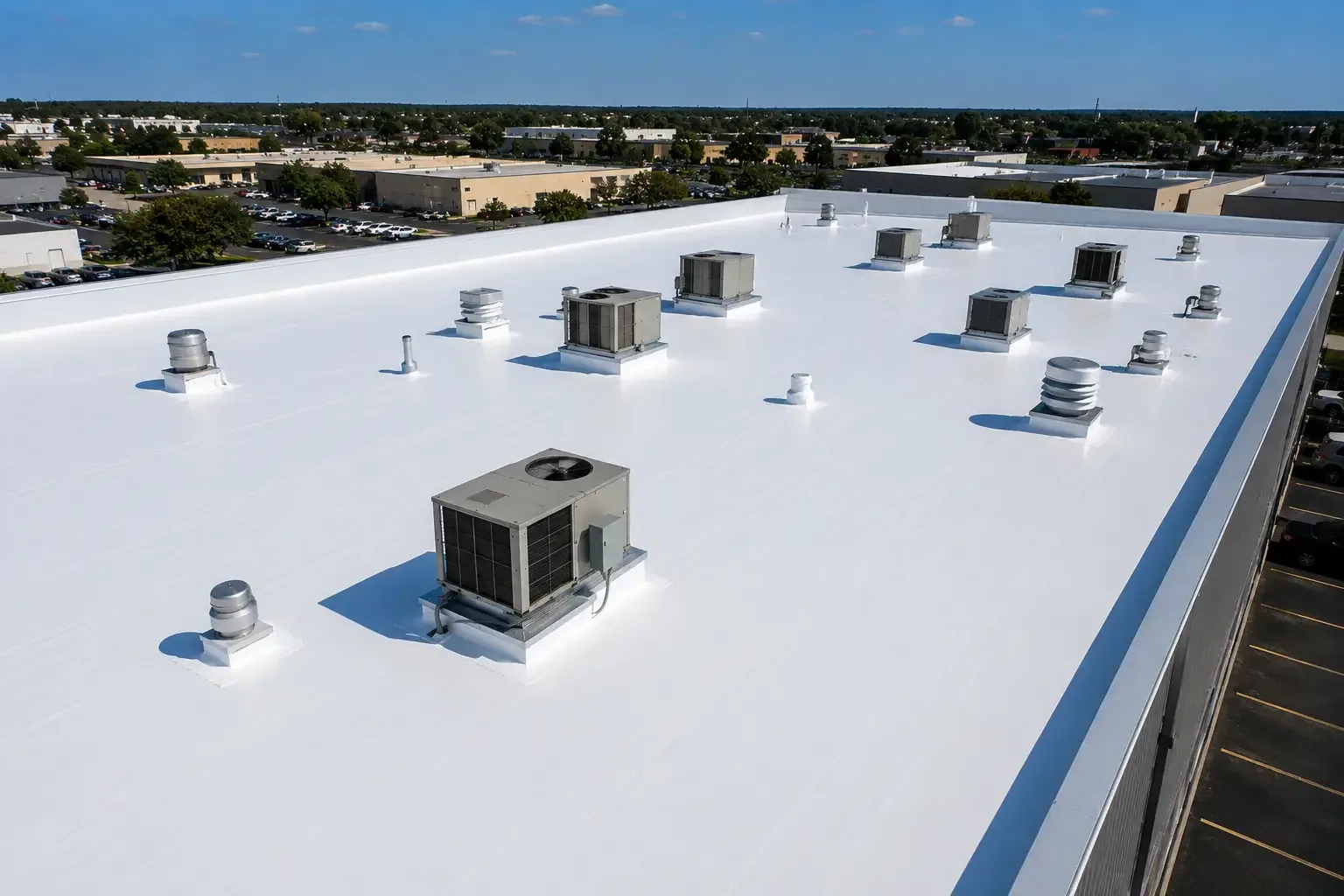
After a storm, a warehouse near the North Avenue corridor may show a loose edge, a new ceiling stain, or no visible sign at all. The first task is to separate observed damage from older wear. We inspect the roof surface, seams, flashings, drains, curbs, and interior conditions, then document what needs protection and what can wait for a full repair. That distinction helps a property team act without opening more roof area than the evidence supports.
After high wind or hail, inspect perimeter metal, flashing terminations, membrane laps, and equipment supports for movement. Low-lying areas near the Elizabeth River can face flood and surge exposure, so check drains and overflow paths. Separate water held by blocked outlets from new roof openings, then set temporary protection and permanent repair from observed conditions.
Inspect the Roof Before Defining the Repair
We ask when the leak appeared, which rooms are affected, whether rooftop equipment was serviced, and what changed after the weather. Inside, we note staining, active drips, and operating areas that need protection. Outside, we trace the likely water path and check laps, metal edges, penetrations, wall transitions, and drains. A ceiling stain can sit away from the entry point, so we follow the assembly.
Access is part of the assessment. We agree on a safe route, identify areas that should remain clear, and avoid moving equipment or disturbing a damaged section without a reason. If water is entering an occupied suite or a critical work area, temporary protection may be needed while the permanent scope is prepared. For a property in Midtown Elizabeth, that can mean coordinating roof access with business hours and keeping a clear path for people below.
We photograph the condition and mark the repair boundary. The record distinguishes storm-related openings or displacement from aging, prior patching, and deferred maintenance when those conditions are visible. We do not assume every leak began with the latest event, and we do not promise an insurance outcome. The purpose is a usable field description: where the roof is compromised, what remains stable, and which questions need a closer look before work proceeds.
Protect the Building While the Scope Is Prepared
Water control comes first when the roof remains exposed. A temporary patch or interior protection can limit further disruption, but it is a short-term measure and must be compatible with the eventual repair. We identify the location, note the material used, and explain what follow-up is required. A temporary measure should not conceal a broader failure or prevent drainage. If conditions are unsafe or weather prevents a durable repair, we explain the limits and schedule the next inspection window.
Elizabeth’s low-lying riverfront areas and inland commercial blocks can have different drainage conditions. On the roof, we look for blocked drains, displaced strainers, overflowing scuppers, and water held behind curbs or patches. A storm can move debris into an outlet or expose an existing low spot. We check the route water should take and whether an overflow path remains open. Correcting a drainage defect may belong in the repair, but reshaping a roof is a separate scope that should be described clearly.
Where the damage reaches a seam or flashing, we check the adjacent material before selecting a tie-in. New membrane cannot make a weak substrate sound, and a small patch will not resolve widespread wet insulation or an unstable deck. If the field condition extends beyond the original boundary, we stop, document it, and discuss the added work before expanding the opening. That keeps the repair decision grounded in what is uncovered instead of treating every concealed condition as included.
Repair the Damaged Assembly in Sequence
Once the roof and repair limits are understood, we select materials that are compatible with the existing assembly. The scope may include removing loose or damaged material, drying and preparing the substrate, replacing affected insulation, and tying new membrane into sound surrounding work. At parapets and equipment curbs, metal or membrane details must terminate cleanly. We address the cause of entry where it can be identified rather than applying a surface patch over a moving or open detail.
For a localized opening, commercial roof repair may be enough. When water tracks through a seam or penetration, a leak repair needs the entry point identified and the surrounding assembly checked. If an active leak requires rapid protection, our emergency repair service can address immediate exposure before permanent work is completed. These scopes differ in timing and extent; the inspection explains which one fits the roof condition.
Keep the Repair Record Useful
Closeout should show what was found and what was done. We provide photographs of the affected area, the repair boundary, concealed conditions that changed the work, and the completed tie-in. The property file can also note dates, materials, temporary measures, and areas that were not included. That record supports future maintenance and helps the next trade avoid cutting through a recent repair without checking the roof history.
For a larger event, a commercial roof inspection can map conditions across more of the assembly. A claim documentation review can organize photographs and scope notes for the owner’s process, while leaving coverage decisions to the insurer. If inspection identifies widespread deterioration rather than a bounded storm opening, we compare a repair with a recover or replacement plan instead of extending patches indefinitely.
High winds, hail, and intense rain can drive debris or water to seams, edges, and drains. Those conditions are a reason to inspect after observed exposure, not proof that a specific building was affected. A property team should report what happened at its own site: wind-driven debris, displaced metal, hail marks, interior water, or a changed drainage pattern. We use those observations to prioritize access and repair, then recommend a follow-up check where remaining conditions warrant it.
Check the Roof Again After Repair
A completed patch does not end the roof’s maintenance needs. Later rooftop work can puncture a membrane, debris can slow an outlet, and seasonal movement can stress a transition. After permanent repair, confirm that temporary materials were removed where appropriate, drains remain open, and the affected interior area is dry. If new water appears, report the location and timing promptly so the next inspection can compare it with the documented repair boundary.
Arrange a roof review when visible damage, active leakage, or a change in roof drainage needs attention. For an Elizabethport property, share the building type, access limits, known roof system, and repair history. If the roof needs temporary protection before a permanent repair, we will identify that as a separate step and describe the follow-up required.
Commercial Roofing Questions
How soon should a commercial roof be checked after a storm?
Arrange an inspection as soon as it is safe to access the roof, especially when water is entering occupied space or equipment areas. If access is unsafe or weather continues, protect the interior and report the observed condition so the next safe inspection can be scheduled.
Can a storm-related leak be repaired without replacing the whole roof?
A localized opening may be repairable when the surrounding membrane, substrate, and attachment remain sound. The inspection should check beyond the ceiling stain and define whether the damage is bounded. Widespread wet insulation, deck damage, or failing seams may require a larger scope.
What information should a property manager provide before the inspection?
Share when the problem began, which rooms or operations are affected, known roof repairs, access restrictions, and any rooftop work near the leak. Photographs from inside can help identify the area, but they do not replace a roof inspection or establish the entry point.
Will an emergency patch be the permanent repair?
Not always. A temporary measure can control immediate exposure while the roof dries or while materials and access are arranged. The permanent scope may require opening the assembly, replacing damaged components, and tying into sound surrounding work. The proposal should distinguish those steps.
Can the roofer determine whether insurance will cover storm damage?
A roofer can document visible conditions, photographs, measurements, and completed work. The policy and coverage decision belong to the insurer. If needed, we can organize the roof observations for the owner’s claim process without promising approval or interpreting coverage.
Request a roof review
Share the building type, access limits, known leak locations, and repair history. We will inspect the accessible conditions, explain any limits, and prepare a repair scope tied to the findings.