
VA Medical Center Roofing in Elizabeth, NJ
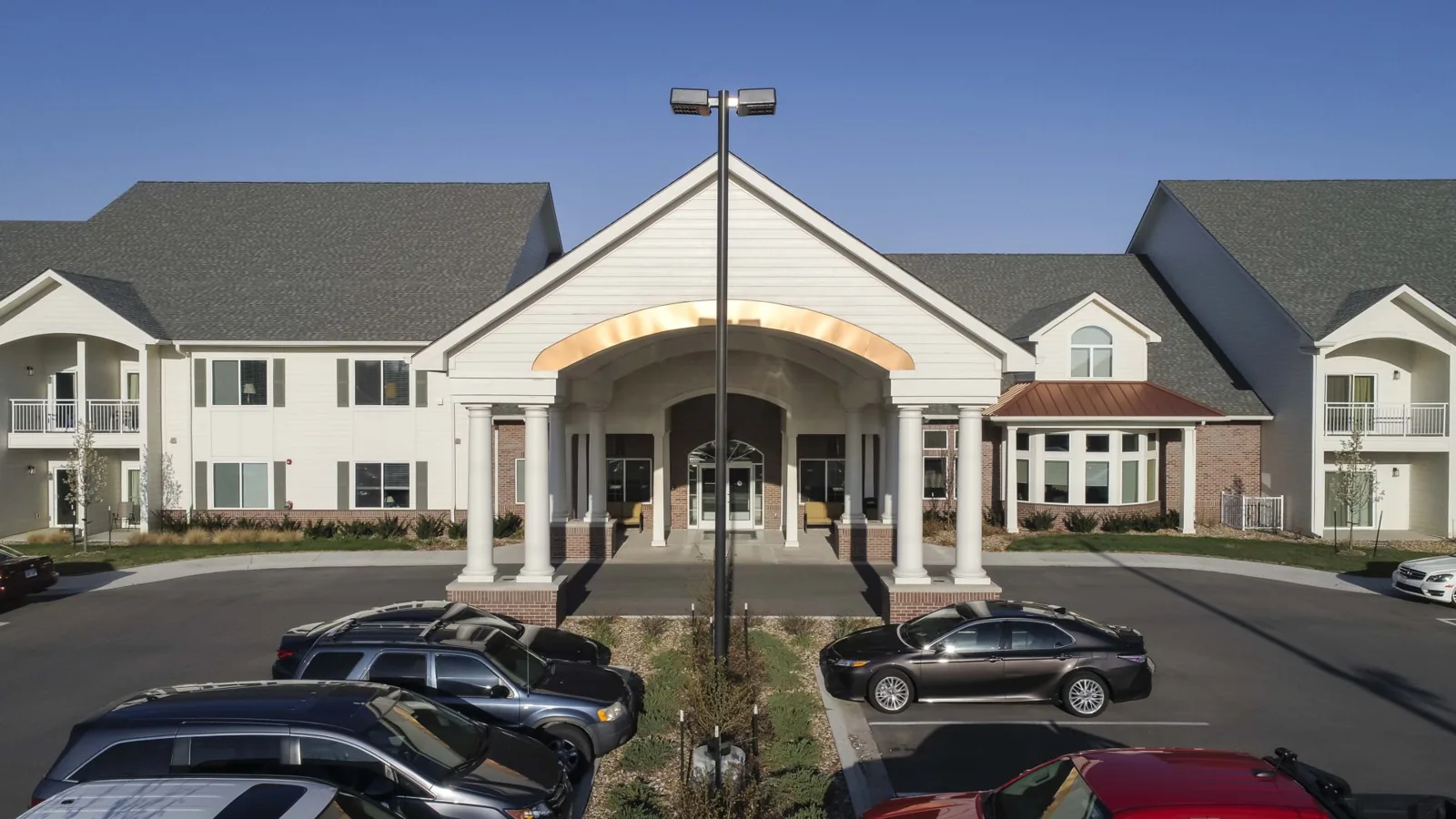
Roof work above a medical center must protect active care space while the owner accounts for access, equipment, and daily operations. The Lyons VA Medical Center is about 23 miles west of Elizabeth, and the VA lists accessibility and transportation information for visitors to that location. That regional fact does not describe a roof assembly or establish a project need. Our review stays with the building being evaluated: its drainage, penetrations, edges, moisture conditions, and work limits above occupied rooms.
Share available roof records, prior repairs, access rules, and any hours when work cannot interrupt services. We map the roof zones, photograph the details that drive the scope, and explain whether a repair, recover, or replacement fits the conditions we can confirm. Where a concealed layer needs review, we identify the next opening and let the owner decide how to proceed.
Map Care Areas to Roof Zones
We start with the reported location indoors and trace likely water paths above it. A stain may sit away from the opening because moisture can travel through insulation or along a deck. On the roof, we inspect laps, terminations, curbs, penetrations, drains, scuppers, and wall transitions. The written record names the actual zone and detail rather than treating one leak report as proof of a building-wide problem.
Medical properties can have rooftop equipment, exhaust, lines, and service clearances. We identify the flashing and substrate around each affected detail, note which equipment is maintained by another trade, and keep those boundaries clear in the scope. If a service visit will change a curb or support, the owner can coordinate that work before a permanent roofing tie-in is made.
A roof condition inspection can organize roof zones for capital planning. When water is active, leak tracing and repair focuses on the likely entry path. A drone roof survey may help document broad areas where access allows, while closer review still determines whether a detail needs hands-on inspection.
Find Failures Without Disrupting Care
Wind, hail, and intense rain can affect roof edges and penetrations. After a reported event, we inspect the affected zone, record visible conditions, and keep suspected concealed damage open for testing rather than assuming a medical building was affected. We look for displaced edge metal, open seams, punctures, loose flashing, and blocked drainage, then record visible conditions and the zone where each one appears.
Snow, freeze-thaw, and heavy rain can leave debris or water at drains and low areas. We inspect the actual roof outlets and discharge path, then identify any structural or site-drainage question for the owner to review separately.
Medical buildings may need a work plan that protects occupants from noise, dust, vibration, and access changes. We identify the roof zone above the work area, agree on material handling and lift locations, and sequence removal so an exposed section is restored or secured before the crew leaves. The facility representative confirms any rooms or routes needing extra protection. If the field condition calls for a wider opening, photos and a written change scope support an owner decision.
For a limited defect, a defined roof repair can address the affected seam or flashing. A rapid roof response may secure an active opening while permanent work is scoped. When several details show wear, moisture surveying can help identify areas for further evaluation, with findings confirmed against the assembly and authorized openings.
Phase Work Around Patient and Staff Movement
Before work begins, the owner's team identifies access hours, patient and staff routes, deliveries, emergency paths, and areas that should not be disturbed. The roofing sequence then sets the lift location, material route, roof zone, and daily closure point. We coordinate a change in access before moving equipment or changing the approved work area.
A section-by-section plan keeps removal tied to what can be made weather-tight at the end of a shift. We monitor the forecast, keep drains clear of debris, and close temporary edges as the work advances. If noise or vibration must be limited at a particular time, that window is built into the sequence. The facility contact receives an update when the active zone changes or a concealed condition affects the schedule.
The North Avenue corridor serves port trucks, retail, hotels, warehouses, and other commercial development. That context makes delivery planning relevant in Elizabeth, but we confirm the medical property's route and staging with its owner.
Occupied-building reroofing can divide work into controlled zones. A curb and support review can be coordinated with equipment service so the final flashing fits the completed assembly. The building representative remains the source of operational approval.
Compare a Local Repair With a Full Scope
A repair is a sound option when the defect is limited and adjacent material can accept a compatible tie-in. We inspect the substrate and surrounding laps or panels, then mark what the repair covers. If moisture, damaged insulation, or deck concerns extend beyond the visible opening, the owner receives photographs and an added scope before removal continues.
Replacement is worth evaluating when repeated failures cross several zones or the existing assembly no longer supports durable repairs. A recover may reduce removal, but only when moisture, attachment, drainage, edge height, and substrate conditions support it. The proposal compares access needs, disruption, and the condition left outside the work. No system choice should rest on the building's name alone.
A medical facility in Midtown Elizabeth or Elizabethport still needs a property-specific roof walk. We identify the actual assembly, access limits, equipment clearances, and occupied areas before setting a work boundary.
For a related hospital roof scope, the same attention to occupied care areas applies, with details set by the building's use and access controls. A medical office roof review can account for a different operating pattern. Both need a written repair boundary and a clear account of any deferred condition.
Give Facilities a Record for the Next Review
The closeout record identifies repaired roof zones, system details, photographs, and conditions held for future work. We note whether temporary protection was removed, which tie-ins were completed, and what remains outside the approved scope. Facilities can keep the map and photos with maintenance records and equipment information.
Arrange a review when leaks return or a capital plan needs repair-versus-replacement options. Share access limits, roof history, and operating hours. Commercial Roofers Elizabeth can inspect accessible areas and outline a sequence that protects occupied space.
Elizabethport and Midtown Elizabeth are broader city areas, not individual medical facilities. For nearby institutional roof needs, the proposed work still follows the actual building, its access rules, and the condition of its roof.
Commercial Roofing Questions
How can roof work be planned above occupied care areas?
We map the roof zone, access path, lift location, and daily closure point with facilities staff. The owner identifies patient and staff routes, operating hours, and any area needing added protection. We follow that sequence and report conditions that change it.
Can a medical-center roof be repaired while services continue?
Often, when the repair area can be isolated and secured within the work window. We coordinate noise and access with facilities staff. If an unexpected condition expands the opening, the owner decides before the scope changes.
Does the Lyons VA Medical Center establish what is on another roof?
No. It is a nearby VA location, not evidence of another building's system, condition, or maintenance history. We inspect the actual roof and document the assembly and visible details before recommending repair or replacement.
What information helps compare repair and replacement?
Roof plans, prior scopes, leak reports, equipment work, and access limits help frame the review. We verify field conditions, separate confirmed repairs from open questions, and compare work boundaries and phasing.
What should a roof closeout include for facility staff?
Name completed zones, repaired details, photographs, access limits, and deferred conditions. Distinguish temporary protection from permanent repair, then keep the record with roof plans and equipment files.
Arrange a Medical-Property Roof Review
Share access procedures, operating hours, roof records, and the repair history. We will inspect accessible areas and explain options for a repair or phased replacement.