
Commercial Metal Roof Retrofit in Elizabeth, NJ
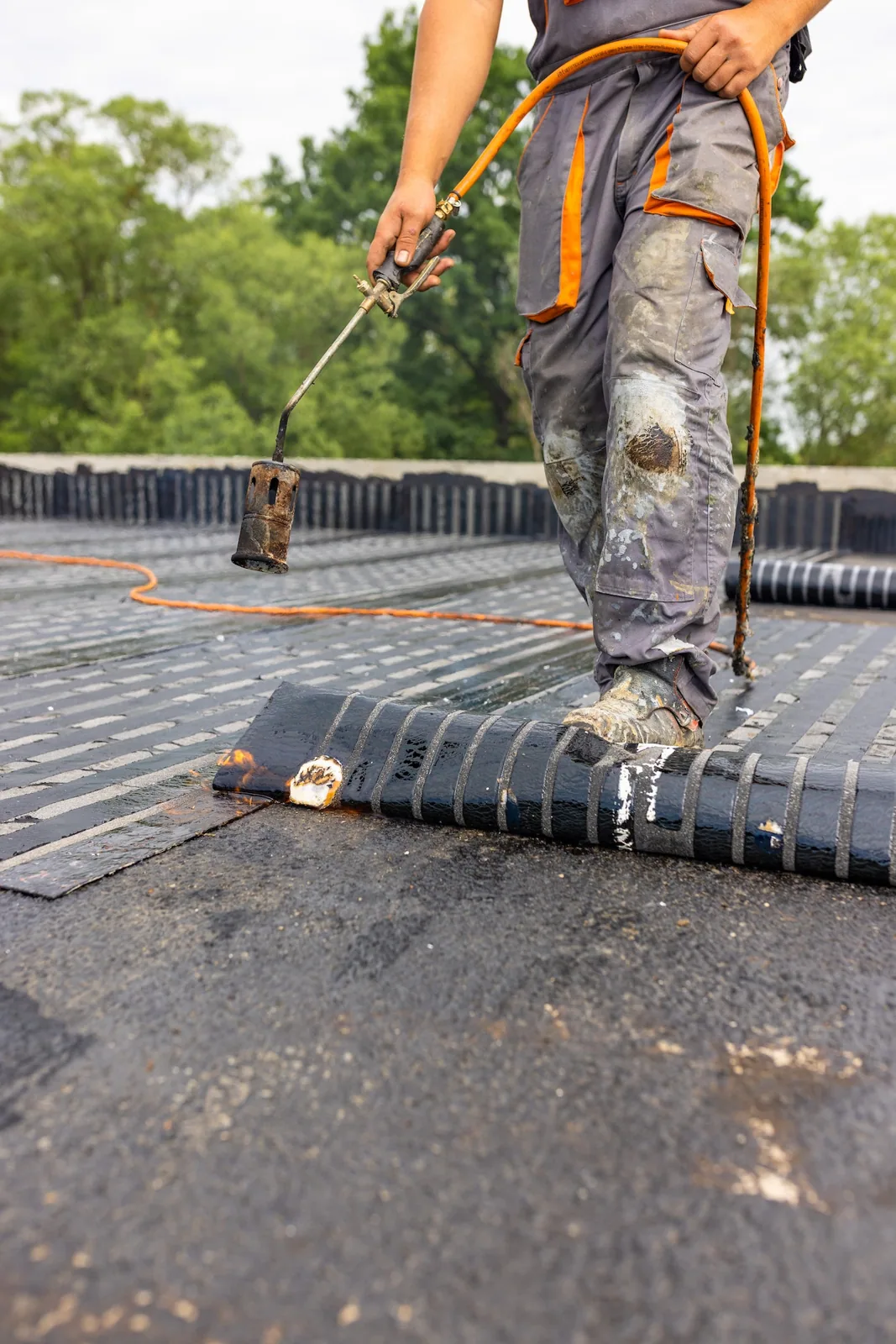
An exposed-fastener metal roof can develop loose screws, worn washers, open laps, and corrosion while the broad panels remain in place. On a warehouse near the North Avenue corridor, fastener patterns and panel movement can shape the repair. We inspect the roof and supporting structure before recommending a retrofit. A new coating or overlay cannot correct a panel that has lost attachment or a purlin that no longer holds a fastener.
Elizabeth’s logistics, retail, and service properties use metal roofs in different ways. Equipment access, interior operations, and drainage details vary, so the repair plan starts with the building rather than a standard coating package.
Check Panels, Fasteners, and Framing
We inspect panel laps, exposed screws, washers, closures, ridge caps, eaves, valleys, and penetrations. A loose fastener may reflect washer failure, movement, corrosion, or loss of substrate hold. Replacing the screw without checking the supporting purlin can leave the attachment unresolved. We note the pattern of looseness and identify areas where selective testing or access below may be needed.
Corrosion should be mapped by location and extent. Surface oxidation differs from metal loss at a lap, eave, or fastener hole. Panels with a tear or perforation may need replacement or a formed repair. We check whether water is entering at the metal joint or at a nearby curb. The proposal should state the material and repair limits instead of describing every leak as a sealant issue.
A metal roof in Elizabethport still needs inspection at its seams, fasteners, clips, and penetrations; the district name does not establish panel wear at an individual property. We inspect for foot traffic, stored materials, and prior attachments that can affect a roof. The property contact can identify equipment work so new repairs can be planned with the responsible trade.
Choose a Retrofit That Fits the Metal Roof
Options may include replacing selected panels, restoring fasteners and laps, applying a compatible coating, or adding a new roof system over the existing metal. Each requires different checks. A coating needs a sound substrate and correct preparation. A recover frame or overlay adds weight and height and needs structural design. Panel replacement may require access to matching profiles and careful sequencing to keep the building weather-tight.
Before an overlay is considered, we review panel condition, attachment, framing, corrosion, insulation, and any condensation or moisture concerns. The supporting structure must be evaluated for the proposed assembly by the responsible design professional. We document visible roof conditions and identify what needs engineering confirmation. A product proposal does not prove the framing can support a new system.
A standing seam system differs from an exposed-fastener panel roof and may require a new support assembly. A silicone restoration or roof coating is another path only when the metal surface and details are suitable. We compare prep, attachment, transition, and maintenance needs rather than assuming one option is less disruptive.
Restore Laps and Penetrations
Exposed fasteners and panel side laps need a repair method compatible with the existing metal. We replace failed screws where the substrate can hold a new attachment, repair or replace closures, and detail penetrations to shed water. At a curb, flashing must connect to the panel ribs and allow for movement. Sealant should support a designed lap or termination, not cover a loose panel edge.
Ridges, valleys, eaves, and wall transitions collect water and wind exposure. We check cap pieces, closures, underlayment where accessible, and fastener spacing. At gutters, the panel edge should direct water into the intended collection path. Our edge metal service can coordinate fascia, coping, and gutter details, while penetration flashing addresses curbs and openings.
Water entry may appear away from the failed lap. A leak repair traces the interior symptom to a likely roof path, and a broader inspection can document additional loose fasteners or panel damage. If the roof has repeated leaks across many bays, the owner should compare a larger retrofit or replacement scope.
Plan Retrofit Work Around the Property
Metal panels are affected by wind during handling, and some retrofit materials require substantial staging. We confirm lift access, delivery routes, fall protection, and areas where work below must be controlled. Active loading areas or tenant entrances remain clear according to the property’s rules. The roof plan marks work zones and the sequence for closing each section.
Before opening a panel or adding an overlay, the crew protects the building and checks the exposed layers. If the deck or insulation differs from what was expected, work pauses for documentation and owner direction. The project record notes any change to attachment, material, or schedule. This keeps concealed conditions from being treated as an unapproved assumption.
New Jersey DOT describes the North Avenue corridor as serving truck traffic and commercial development. For nearby warehouse properties, the owner may need delivery timing coordinated with loading operations. We verify the site’s actual access requirements and stage materials without blocking drains, exits, or equipment service paths.
For a commercial property in Midtown Elizabeth, coordinate material staging with the building contact before work begins. We verify where deliveries can stop, which roof areas require escort, and how the active loading path will remain clear. These site details shape the sequence without changing the technical repair boundary.
Document the Metal Roof for Future Service
Closeout records the repairs, fastener replacement, coating or overlay materials, and any panel areas that remain outside the scope. Photographs of laps, edges, and penetrations help future crews find the repaired locations. Keep product information and maintenance notes in the building file, especially before another trade adds equipment or cuts a new opening.
A maintenance review can check fasteners, sealant, corrosion, and drains after severe weather or rooftop work. Request a retrofit review when recurring leaks, loose screws, or visible corrosion affect a commercial metal roof. Commercial Roofers Elizabeth can inspect accessible conditions and explain repair, restoration, or replacement options based on the roof found.
Share the panel profile, known repair history, access limits, and any interior leak locations. That information helps us prepare a focused inspection and identify where structural or design review is needed before a new assembly is priced.
Commercial Roofing Questions
Can exposed-fastener metal panels be coated?
A coating may be appropriate when the panels, fasteners, substrate, and details are sound and compatible with the system. Preparation and repair of loose screws or corroded areas come first. Widespread panel or attachment failure may call for another scope.
Why do metal roof screws loosen?
Movement, washer deterioration, corrosion, or loss of hold in the supporting material can contribute. The repair should identify the cause and verify that a new fastener can engage a sound substrate. Replacing screws alone may not resolve a damaged purlin.
Can a new roof be installed over exposed-fastener panels?
A retrofit depends on panel condition, framing, attachment, insulation, added load, and project design. The responsible engineer should confirm the support system for an overlay. We inspect visible conditions and identify questions for structural review.
How do you address a leak at a panel lap?
We inspect the lap, fasteners, closures, nearby flashing, and water path. The repair may require replacing components and restoring the joint rather than applying sealant over a loose edge. The scope should show the repair boundary.
What maintenance does a metal roof need?
Inspect fasteners, washers, laps, closures, penetrations, gutters, and corrosion. Remove debris from drainage paths and record work by other trades. A roof review after equipment installation can catch damaged panels before water reaches the building.
Review an Exposed-Fastener Roof
Share the panel profile, repair history, access limits, and any recurring leak areas. We will inspect the attachment and explain retrofit options.